- 0
- 525 words
Unraveling the Mysteries of Mokele-Mbembe: Exploring the Most Plausible Explanations
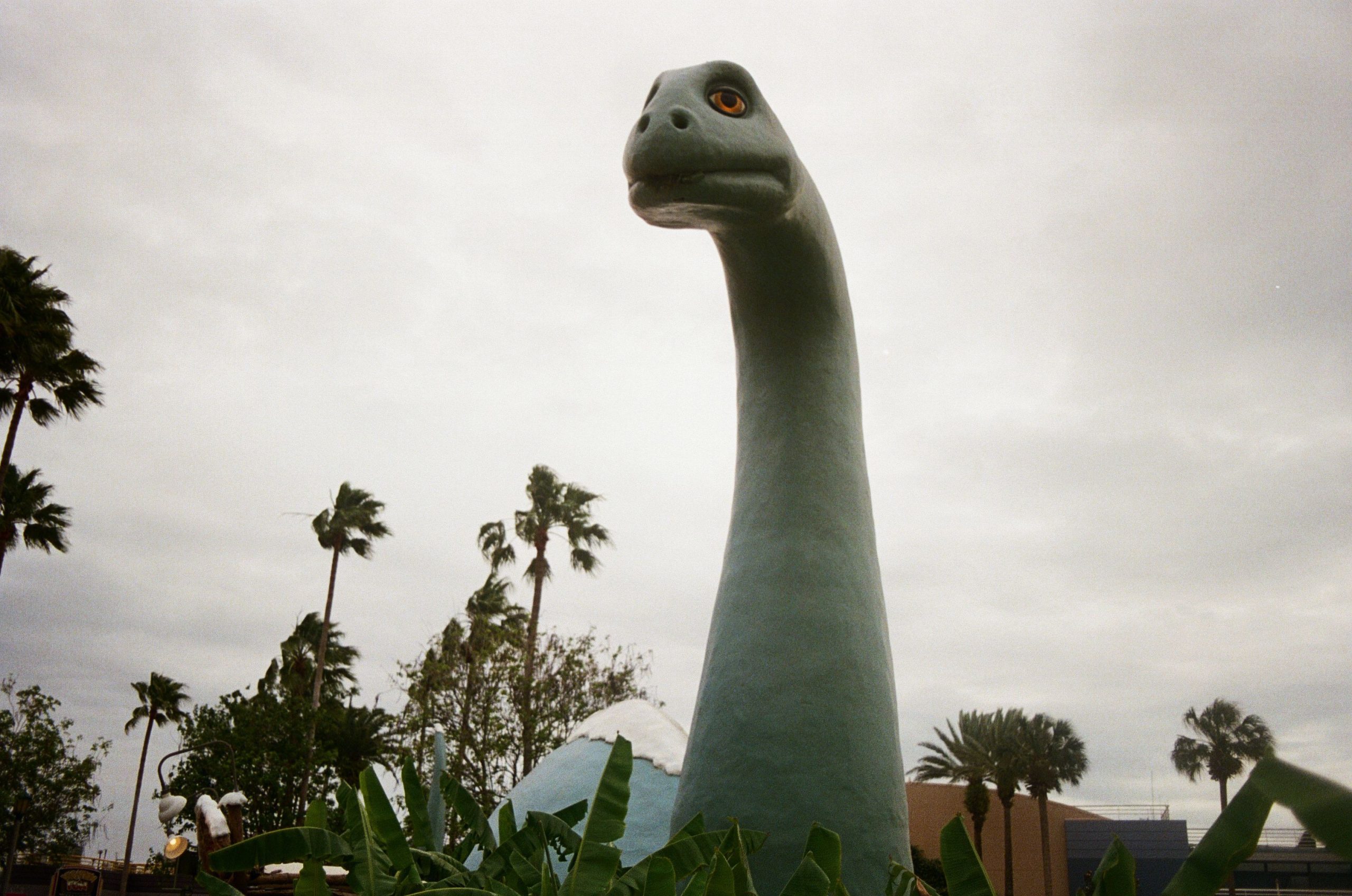
The Congo Basin, one of the world’s most enigmatic and ecologically rich regions, has long captured the imagination of explorers, scientists, and folklore enthusiasts alike. Among its many legends, the creature known as Mokele-Mbembe stands out as a particularly intriguing enigma. Descriptions depict it as a large, dinosaur-like creature with a long neck and a formidable body, lurking in remote swamps and riverine habitats.
Mokele-Mbembe is deeply woven into the local folklore of Central Africa, with indigenous communities recounting sightings and encounters that have persisted for generations. Despite numerous expeditions and investigations, concrete scientific evidence confirming the existence of this creature remains elusive, leading to a variety of hypotheses attempting to explain the phenomena.
The Origins of the Legend
The legend of Mokele-Mbembe has been passed down through oral traditions, with reports dating back over a century. European explorers in the 19th and early 20th centuries documented stories from local tribes describing a massive, elusive animal that dwells in the dense jungle and swampy areas of the Congo. These accounts describe an animal that resembles a sauropod, sparking the imagination and fueling widespread curiosity.
Contemporary Scientific Perspectives
Several scientific hypotheses have been proposed to interpret these legends and sightings:
-
Extinct or Surviving Dinosaurs: Some speculate that Mokele-Mbembe could be a living dinosaur, possibly an extant sauropod species that has survived in isolated pockets of the Congo. Proponents cite anecdotal reports, occasional footprints, and the creature’s described anatomy as supporting evidence. However, the lack of concrete fossil evidence or verifiable sightings makes this theory highly contentious among the scientific community.
-
Unknown Large Reptiles or Amphibians: Another plausible explanation suggests that Mokele-Mbembe might be an unrecognized or poorly documented species of large reptile or amphibian native to Central Africa. Given the region’s vast and inaccessible wilderness, it’s conceivable that undiscovered species exist, though none have been conclusively identified as matching the creature’s descriptions.
-
Misidentifications and Mythical Interpretations: Many experts consider that reports of Mokele-Mbembe may result from misidentifications of known animals, such as gorillas, crocodiles, or hippopotamuses, or from the exaggerations and mythic embellishments that often accompany folklore. Visual distortions due to distance, weather conditions, or animals seen briefly may lead to sightings that are later interpreted as mysterious creatures.
Modern Investigations and the Search Continues
Numerous expeditions over the past century have been launched in hopes of locating definitive evidence of Mokele-Mbembe. These efforts include remote sensing, underwater exploration, and local interviews. To date, no conclusive proof has emerged, but interest remains high due to the region’s unexplored territories and the potential for discovering new species.
Conclusion
The enduring mystery of Mokele-Mbembe encapsulates the allure of the unknown and the persistent human curiosity about unseen creatures that may still inhabit our planet. While scientific explanations range from misidentification to the possibility of undiscovered species, the true nature of Mokele-Mbembe continues to evade definitive proof. As exploration technology advances and our understanding of Central African ecosystems deepens, future discoveries may finally shed light on this legendary creature, transforming myth into reality or reaffirming it as a captivating piece of local folklore.
Author

Related posts

Is anyone else tired of all the creepypasta characters and Skinwalkers being brought up constantly in the comments?
- 0
- 296 words
Addressing the Overrepresentation of Creepypasta and Mythical Entities in Online Discussions In the realm of online cryptozoology communities, engaging conversations often revolve...
Read out all
Is the Bodette Film completely wiped out from the internet?
- 0
- 322 words
The Mystery of the Bodette Film: Is It Truly Wiped from the Internet? The internet is a vast and constantly evolving landscape,...
Read out all
Is it possible to have seen an extinct Giant Beaver? Didn’t know if it’s classified as cryptid.
- 0
- 424 words
Could You Have Encountered an Extinct Giant Beaver? Exploring a Mysterious Sightning Throughout history, sightings of unusual or elusive creatures often spark...
Read out all
Do you think creatures like the Kappa from Japanese folklore could have been based on real encounters? 😁
- 0
- 310 words
Exploring the Origins of Legendary Creatures: Could the Kappa of Japanese Folklore Be Based on Real Encounters? Throughout history, folklore has served...
Read out all
Alleged Steller’s Sea Cow photographed in Norway, 1987
- 0
- 523 words
Exploring the 1987 Photograph Allegedly Depicting a Steller’s Sea Cow in Norway In the realm of cryptozoology and maritime folklore, few images...
Read out all
Excluding animals that are now known to exist, what are your favorite “normal looking” cryptids?
- 0
- 465 words
Exploring the Fascination with “Normal-Looking” Cryptids: Fascinating Variations of Known Animals Cryptids—mysterious creatures believed to exist outside the realm of verified science—have...
Read out all