- 0
- 465 words
Exploring the Fascination with “Normal-Looking” Cryptids: Fascinating Variations of Known Animals
Cryptids—mysterious creatures believed to exist outside the realm of verified science—have long captured the imagination of enthusiasts worldwide. While many popular accounts involve fantastical beings like living dinosaurs or mythical creatures, a captivating subset focuses on cryptids that appear surprisingly ordinary at first glance. These creatures often exhibit intriguing adaptations such as unusual coloration, size variations, or localized population traits that set them apart without deviating into outright mythical territory.
Variations in Animal Coloration and Morphology
One intriguing aspect of cryptids that resemble “normal” animals is their unexpected physical traits. For example, some cryptids are reported to possess abnormal coloration—such as albino or melanistic variants—that differentiate them from typical specimens. These color morphs can be rare in nature, but population anomalies or isolated breeding might explain their existence. Such variants sometimes spark reports from local populations, fueling the mystery surrounding these creatures.
Island Dwarfism and Gigantism
Isolated environments like islands often give rise to remarkable evolutionary adaptations, including dwarfism or gigantism. Cryptids believed to inhabit remote islands often exhibit these traits, leading to their “normal-looking” appearance but with noticeable size differences. The phenomenon is well-documented in nature—think of the diminutive elephants of Sicily or the giant rats of the Seychelles. When reported as cryptids, these animals often possess characteristics consistent with island dwarfism or gigantism, making them both familiar and extraordinary.
Populations in Unusual Locations or with Unique Characteristics
Many cryptids are linked to specific geographic locations, often in remote or less-explored regions. These creatures might appear as typical animals, but their behaviors, habitats, or some distinctive traits set them apart. For instance, cryptids inhabiting subterranean caves, deep lakes, or dense forests may evade full scientific documentation, leading to descriptions that align with known species but exhibit peculiarities—such as unusual hunting patterns, dietary habits, or physical features.
A Fascination with the Ordinary Turned Extraordinary
The allure of these “normal-looking” cryptids lies in their subtlety; they challenge our understanding of biodiversity and adaptation. Their existence suggests that nature continues to harbor secrets, even among species that seem familiar to us. Whether it’s a population of unusually colored foxes, a giant amphibian lurking in remote swamps, or a diminutive mammal on a secluded island, these cryptids embody the idea that the extraordinary can often hide behind the guise of the ordinary.
Conclusion
While the realm of mythical beasts and prehistoric dinosaurs captures the imagination, the world of “normal-looking” cryptids offers a compelling glimpse into the wonders of evolution and the ongoing mysteries of the animal kingdom. These creatures remind us that nature’s diversity is vast, and sometimes, the most intriguing cryptids are simply animals that look remarkably familiar yet possess stories of their own waiting to be uncovered.
Author

Related posts

Is anyone else tired of all the creepypasta characters and Skinwalkers being brought up constantly in the comments?
- 0
- 296 words
Addressing the Overrepresentation of Creepypasta and Mythical Entities in Online Discussions In the realm of online cryptozoology communities, engaging conversations often revolve...
Read out all
Is the Bodette Film completely wiped out from the internet?
- 0
- 322 words
The Mystery of the Bodette Film: Is It Truly Wiped from the Internet? The internet is a vast and constantly evolving landscape,...
Read out all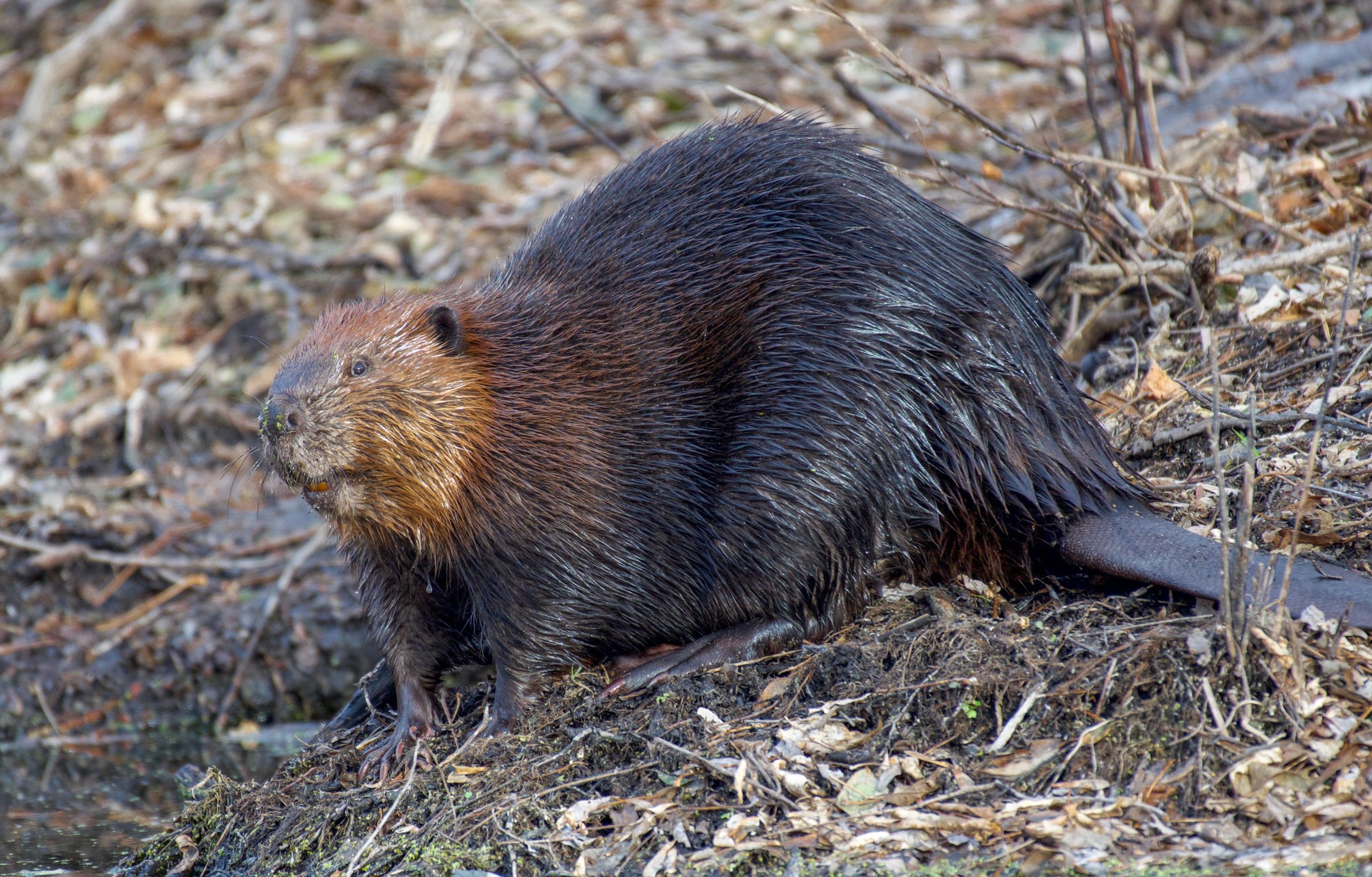
Is it possible to have seen an extinct Giant Beaver? Didn’t know if it’s classified as cryptid.
- 0
- 424 words
Could You Have Encountered an Extinct Giant Beaver? Exploring a Mysterious Sightning Throughout history, sightings of unusual or elusive creatures often spark...
Read out all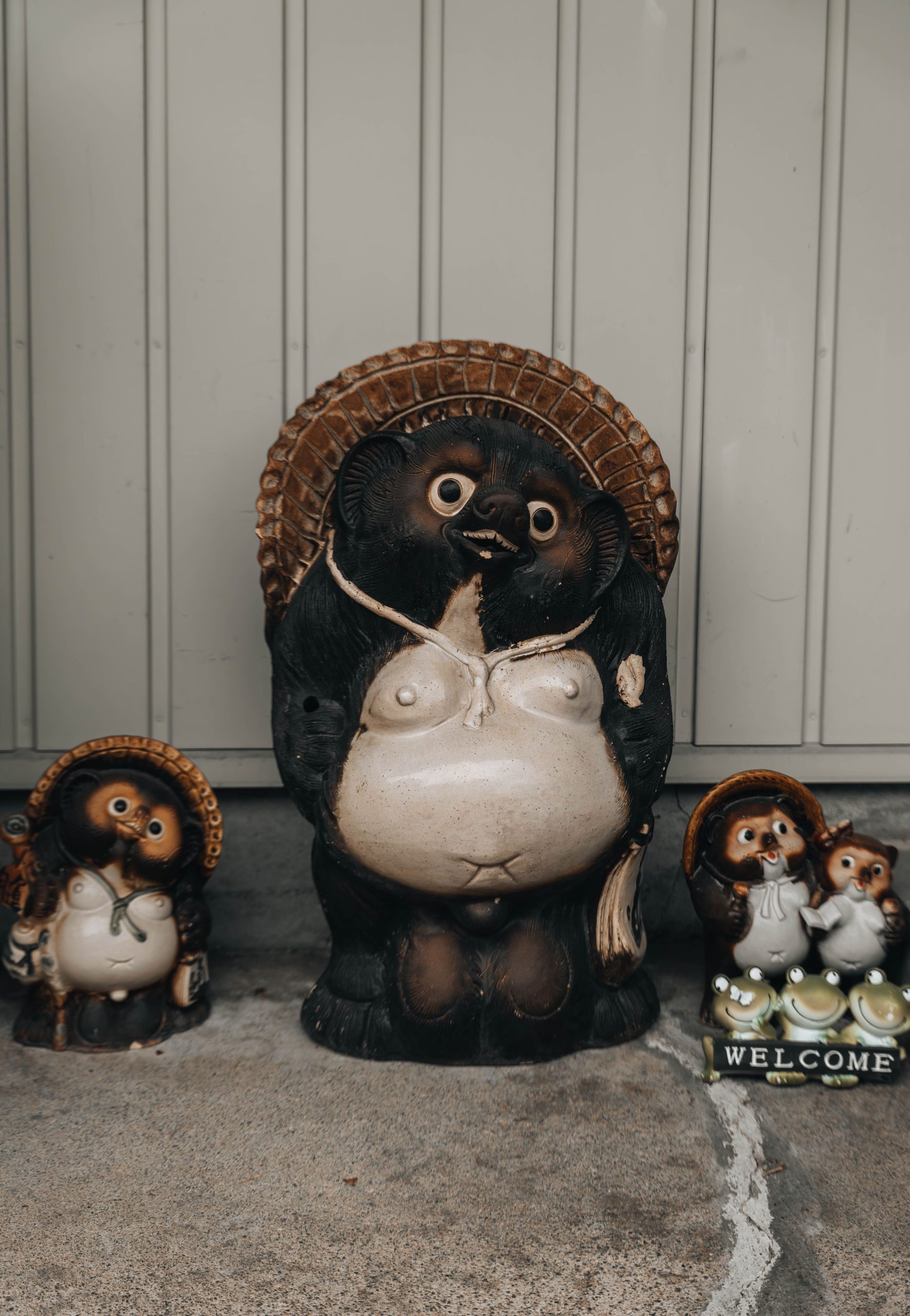
Do you think creatures like the Kappa from Japanese folklore could have been based on real encounters? 😁
- 0
- 310 words
Exploring the Origins of Legendary Creatures: Could the Kappa of Japanese Folklore Be Based on Real Encounters? Throughout history, folklore has served...
Read out all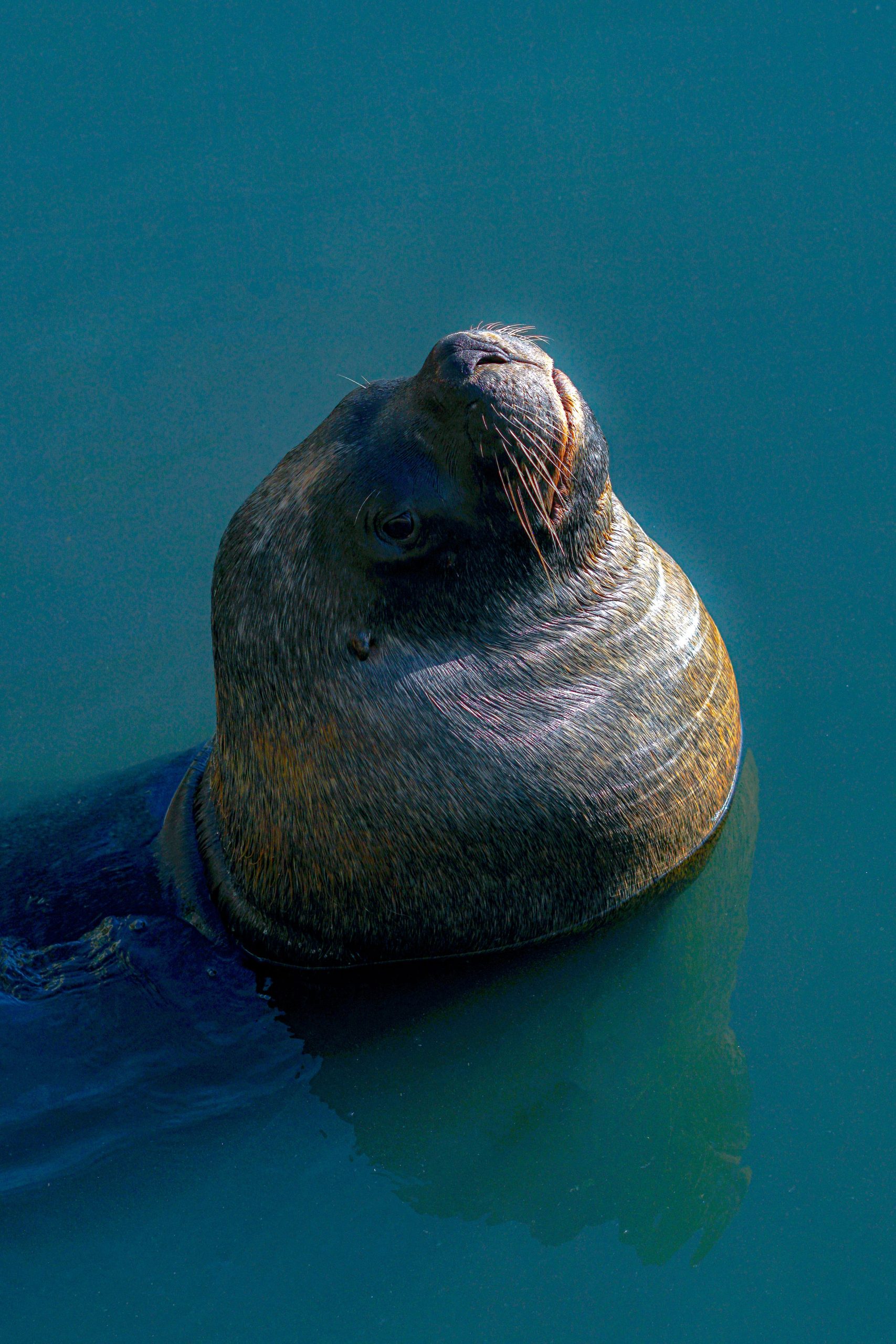
Alleged Steller’s Sea Cow photographed in Norway, 1987
- 0
- 523 words
Exploring the 1987 Photograph Allegedly Depicting a Steller’s Sea Cow in Norway In the realm of cryptozoology and maritime folklore, few images...
Read out all
More candidates for the lost thunderbird photo
- 0
- 178 words
Exploring New Leads on the Mysterious Thunderbird Photograph The search for the elusive thunderbird photograph has yielded additional potential leads, prompting a...
Read out all