- 0
- 476 words
Imagining a 30-Foot Shark: Exploring the Possibilities and Implications
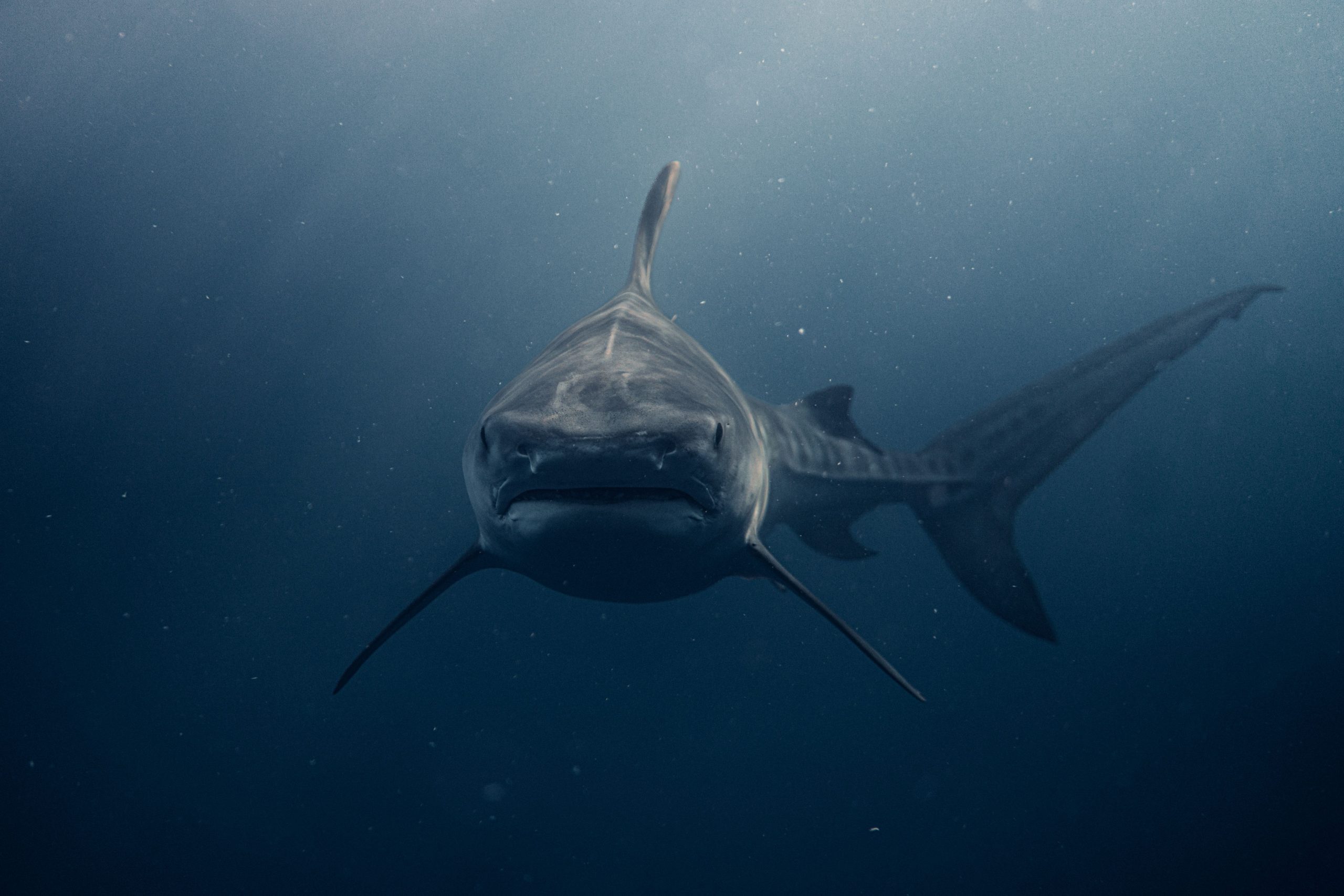
The ocean has long captivated human imagination, with its mysterious depths harboring creatures both real and fantastical. One particularly intriguing fictional portrayal is the massive shark depicted in the documentary Shark of Darkness: Wrath of Submarine. Though the film’s narrative is a product of storytelling rather than reality, it sparks a fascinating question: what if such a colossal predator truly swam our waters?
While the concept of a 30-foot shark may reside in the realm of fiction, contemplating its existence invites us to consider the potential ecological, environmental, and safety-related impacts of such a creature.
The Science Behind Megafauna in the Ocean
In reality, the largest sharks known to science include the whale shark (Rhincodon typus) and the basking shark (Cetorhinus maximus), which can reach lengths of around 40 feet. These gentle giants are filter feeders and pose little threat to humans. The great white shark (Carcharodon carcharias), often the subject of fear and awe, typically grows to about 20 feet, with exceptional specimens reaching close to 23 feet.
Animals of such size demonstrate the tremendous diversity and adaptability of marine life. However, a shark reaching 30 feet or more would represent an extraordinary anomaly, raising questions about its role within the ocean ecosystem and its interaction with other species.
Ecological Implications of a Massive Predator
If a 30-foot shark existed, its impact on marine ecosystems would be profound. Such a creature would likely be an apex predator, influencing prey populations and potentially shifting ecological balances. It might prey upon large marine mammals, other sizable fish, and even threaten human activities like fishing and boating.
Moreover, its size would necessitate an ample food supply, possibly requiring a more extensive prey base or specialized hunting strategies. Its presence could also introduce new competition dynamics among existing predators, reshaping local food webs.
Safety and Human Interaction
From a human perspective, a creature of this magnitude would undoubtedly attract significant attention from the public, scientists, and conservationists. The potential threat to swimmers, divers, and maritime industries would prompt safety concerns and possibly lead to new regulations or precautionary measures.
Additionally, such a creature could become a flagship species for ocean conservation efforts, spotlighting the importance of protecting the marine environment from threats like overfishing and climate change.
Conclusion
While the concept of a 30-foot shark remains within the realm of fiction, exploring this idea encourages a deeper appreciation for the complexity, diversity, and fragility of ocean ecosystems. It also highlights the importance of scientific knowledge in understanding the true nature of marine life and the importance of preserving our planet’s vast and mysterious waters.
As we continue to explore the depths of the ocean, who knows what incredible discoveries await? Perhaps one day, creatures once thought mythical may become part of our scientific understanding—and inspire new stories of adventure and discovery.
Author

Related posts

Is anyone else tired of all the creepypasta characters and Skinwalkers being brought up constantly in the comments?
- 0
- 296 words
Addressing the Overrepresentation of Creepypasta and Mythical Entities in Online Discussions In the realm of online cryptozoology communities, engaging conversations often revolve...
Read out all
Is the Bodette Film completely wiped out from the internet?
- 0
- 322 words
The Mystery of the Bodette Film: Is It Truly Wiped from the Internet? The internet is a vast and constantly evolving landscape,...
Read out all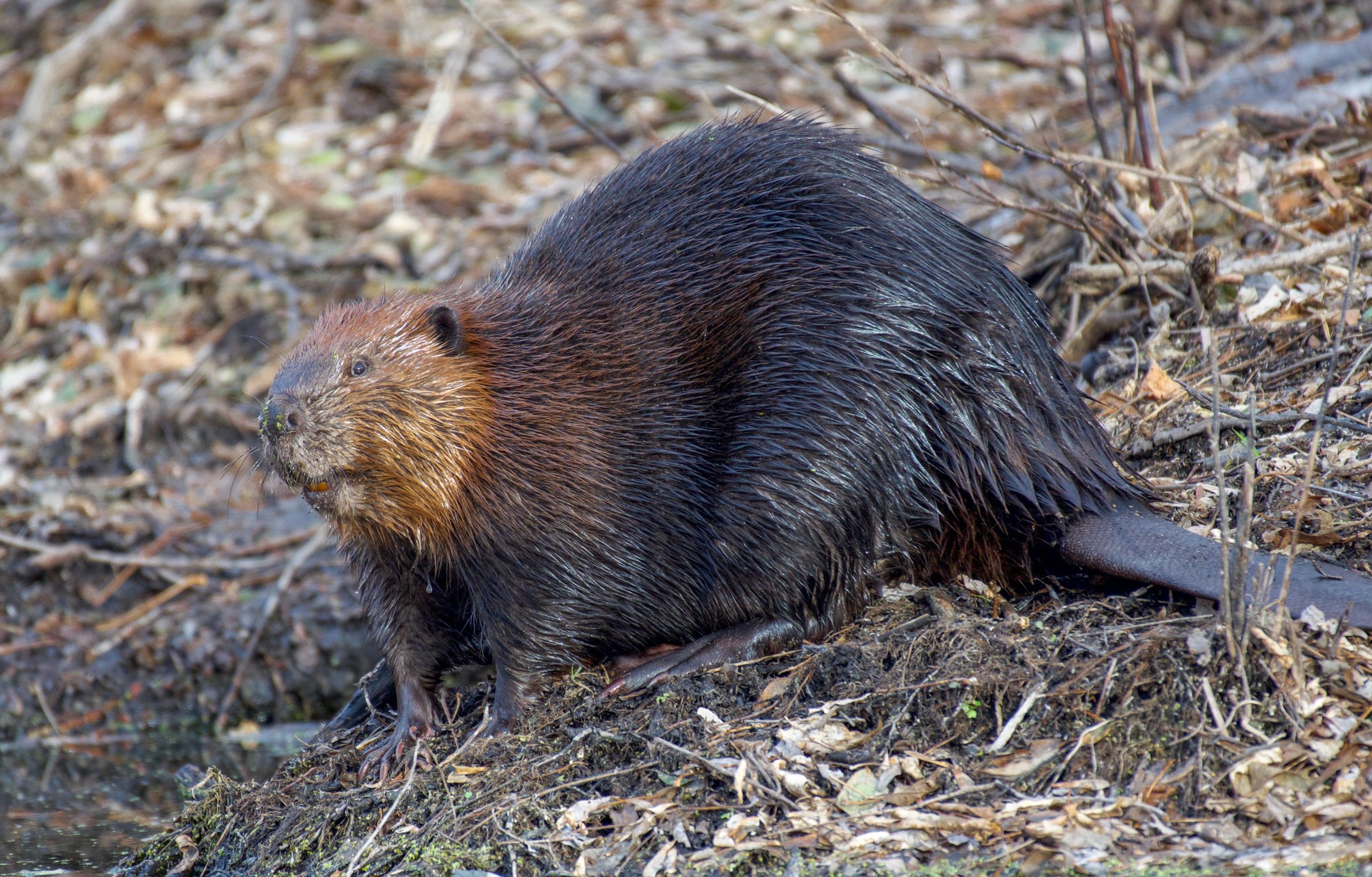
Is it possible to have seen an extinct Giant Beaver? Didn’t know if it’s classified as cryptid.
- 0
- 424 words
Could You Have Encountered an Extinct Giant Beaver? Exploring a Mysterious Sightning Throughout history, sightings of unusual or elusive creatures often spark...
Read out all
Do you think creatures like the Kappa from Japanese folklore could have been based on real encounters? 😁
- 0
- 310 words
Exploring the Origins of Legendary Creatures: Could the Kappa of Japanese Folklore Be Based on Real Encounters? Throughout history, folklore has served...
Read out all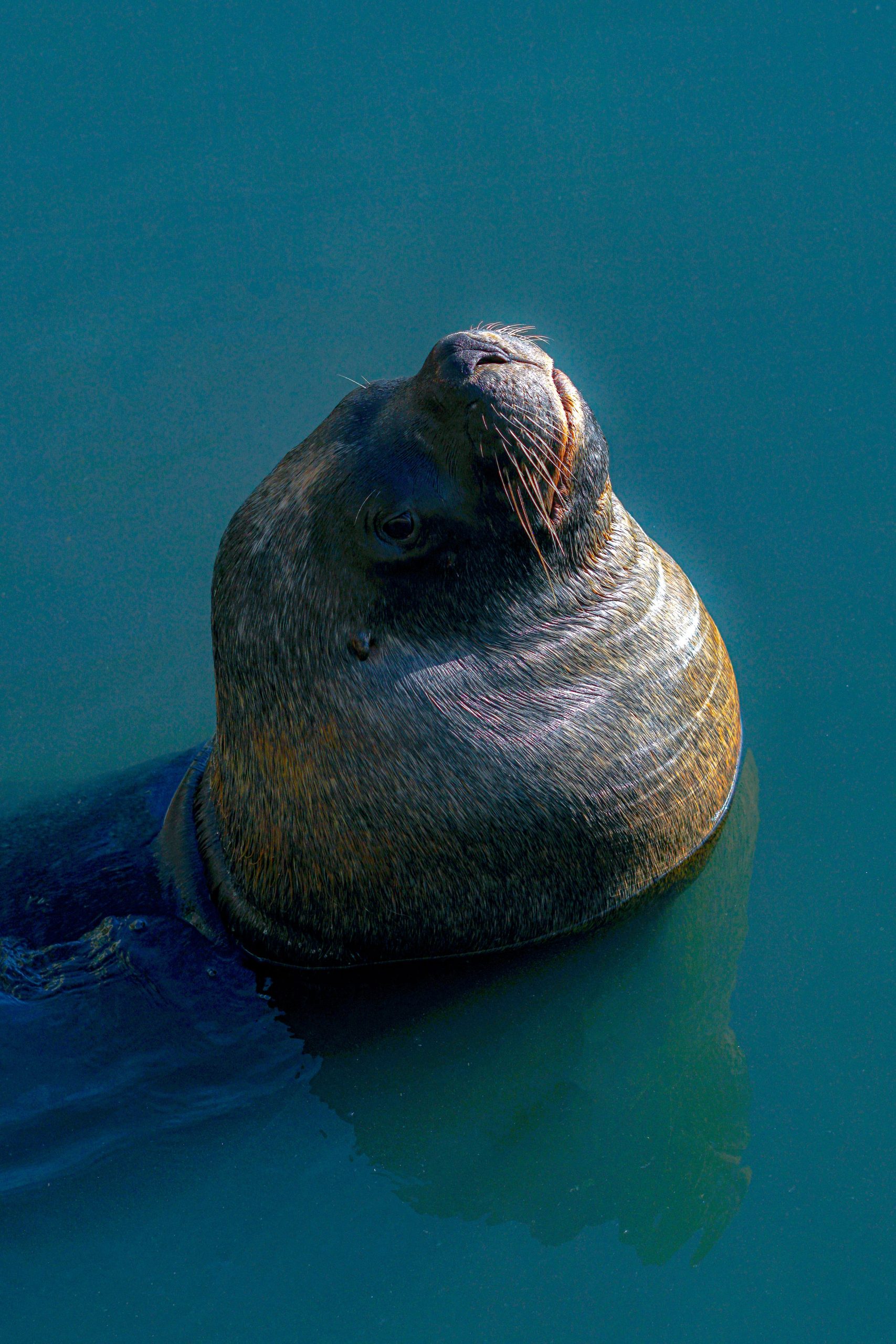
Alleged Steller’s Sea Cow photographed in Norway, 1987
- 0
- 523 words
Exploring the 1987 Photograph Allegedly Depicting a Steller’s Sea Cow in Norway In the realm of cryptozoology and maritime folklore, few images...
Read out all
Excluding animals that are now known to exist, what are your favorite “normal looking” cryptids?
- 0
- 465 words
Exploring the Fascination with “Normal-Looking” Cryptids: Fascinating Variations of Known Animals Cryptids—mysterious creatures believed to exist outside the realm of verified science—have...
Read out all