- 0
- 340 words
Examining Cryptid Sightings Through the Lens of Genetic Disorders in Animals
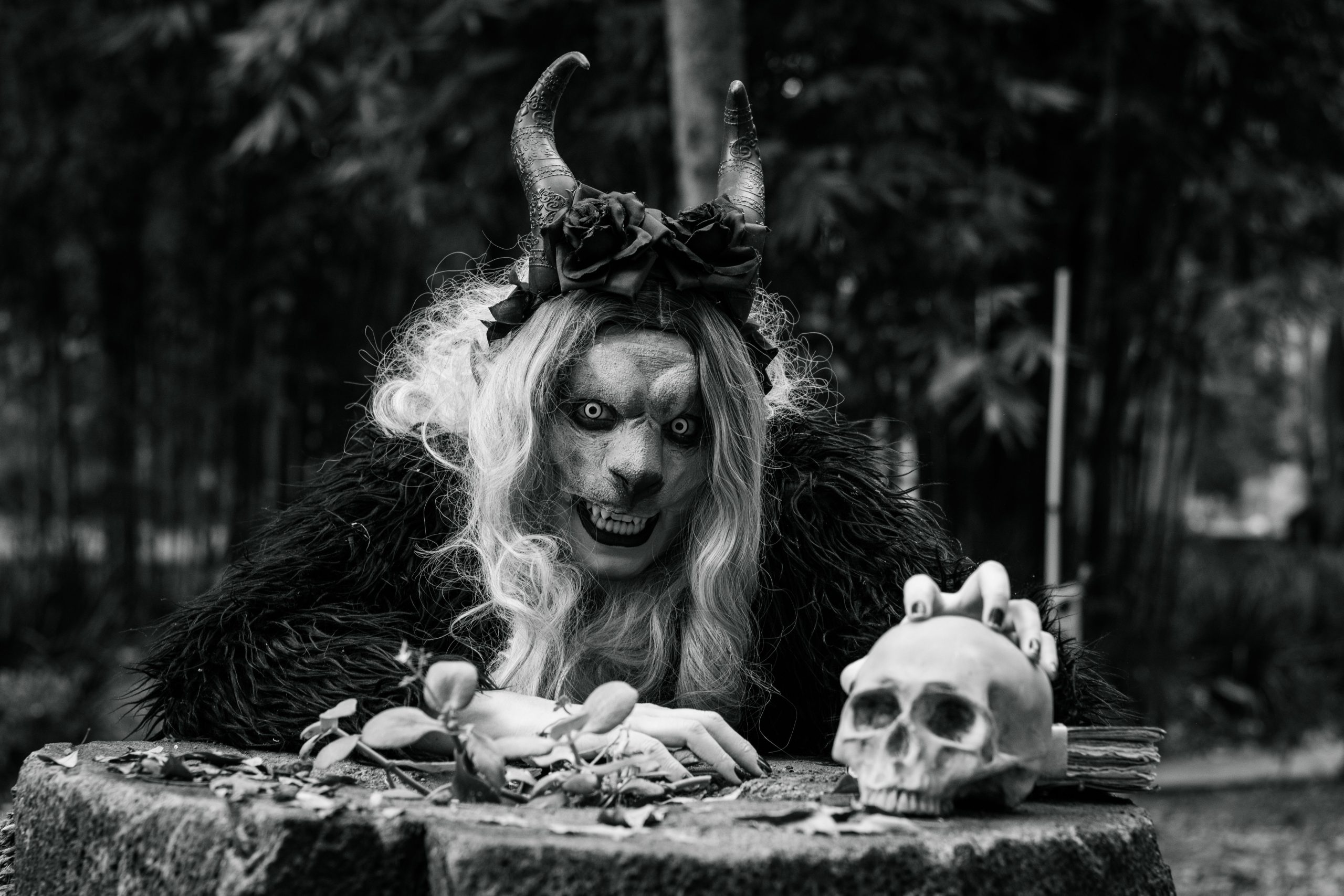
Cryptid sightings have long captivated the imagination of enthusiasts and skeptics alike, prompting countless theories about their true nature. One intriguing hypothesis suggests that many of these mysterious creatures may, in fact, be animals suffering from genetic disorders that produce abnormal physical traits. Understanding this perspective can shed new light on longstanding legends and sightings.
All animal species are susceptible to genetic disorders that can significantly alter their morphology. These disorders can result in animals exhibiting deformities such as anomalous growths, limb malformations, or other physical abnormalities. In some cases, these animals may be sterile and incapable of passing on their unique traits, thereby rarely being seen again in the wild. Such deformed individuals often attract attention, especially in observations made by early explorers and indigenous communities.
For example, certain well-documented cases involve raccoons afflicted with shortened spines, leading to distinctive, abnormal appearances. These instances serve as tangible examples of how genetic mutations can produce creatures that, while atypical, are legitimate biological organisms.
Historical accounts, particularly from the era of early European exploration across the Americas, may contain references to creatures that are now considered cryptids. Indigenous peoples in these regions possess a deep understanding of local fauna and may have recognized these deformed animals without attaching mythic significance to them. However, upon encountering such unusual animals, settlers unfamiliar with local biodiversity could have been driven by fear or superstition, giving rise to mythologies that persist to this day.
This perspective encourages us to consider scientific explanations for cryptid sightings, emphasizing the role of genetic variation and mutation in creating bizarre or extraordinary natural phenomena. While such theories do not disprove the existence of unknown creatures, they provide a plausible framework for understanding many enigmatic encounters.
In conclusion, exploring cryptid sightings through the lens of genetic disorders offers a compelling bridge between folklore and biology. It invites us to appreciate the complexity of nature and the ways in which genetic anomalies can influence our perceptions of the natural world.
Author

Related posts

Is anyone else tired of all the creepypasta characters and Skinwalkers being brought up constantly in the comments?
- 0
- 296 words
Addressing the Overrepresentation of Creepypasta and Mythical Entities in Online Discussions In the realm of online cryptozoology communities, engaging conversations often revolve...
Read out all
Is the Bodette Film completely wiped out from the internet?
- 0
- 322 words
The Mystery of the Bodette Film: Is It Truly Wiped from the Internet? The internet is a vast and constantly evolving landscape,...
Read out all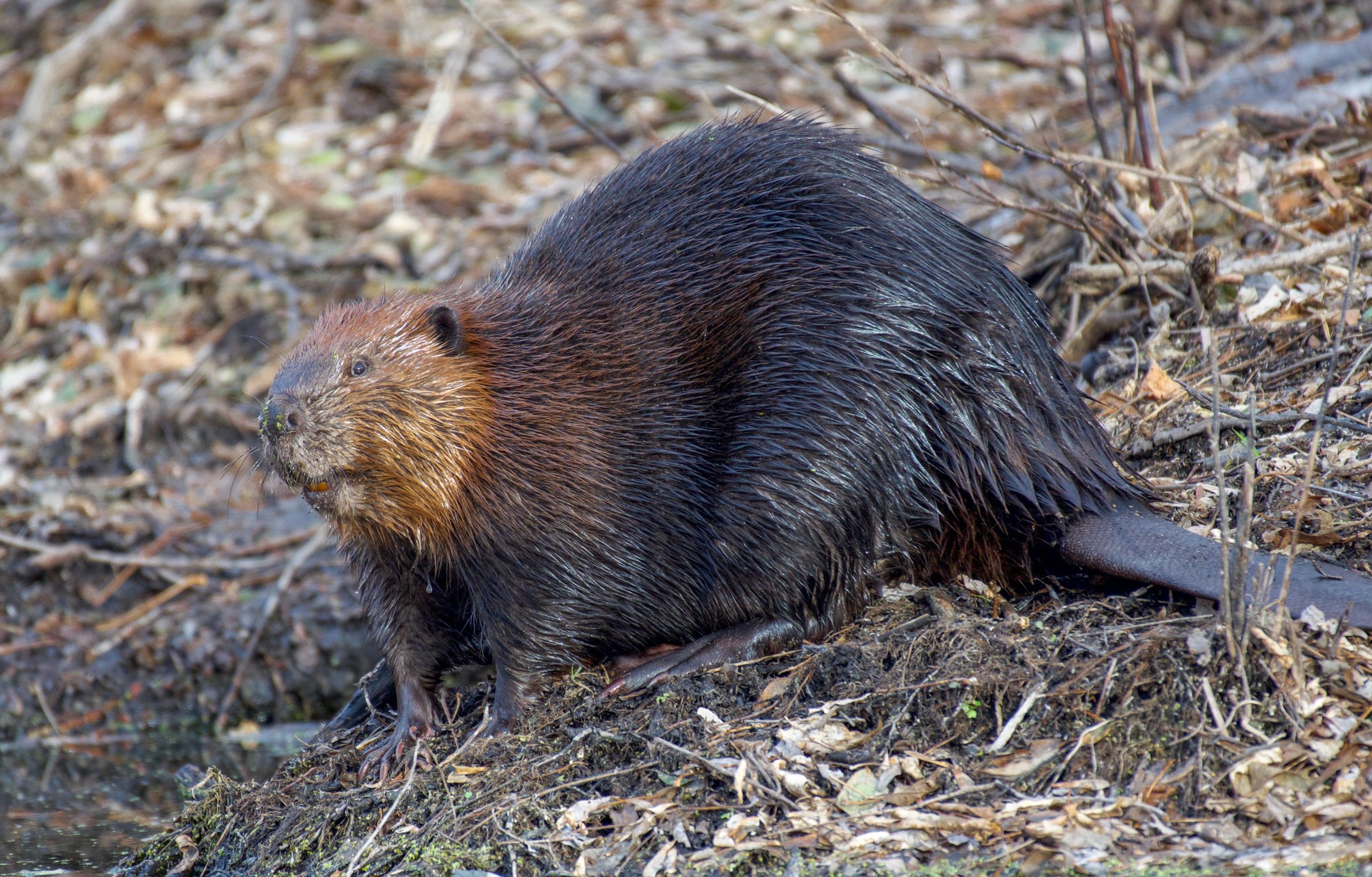
Is it possible to have seen an extinct Giant Beaver? Didn’t know if it’s classified as cryptid.
- 0
- 424 words
Could You Have Encountered an Extinct Giant Beaver? Exploring a Mysterious Sightning Throughout history, sightings of unusual or elusive creatures often spark...
Read out all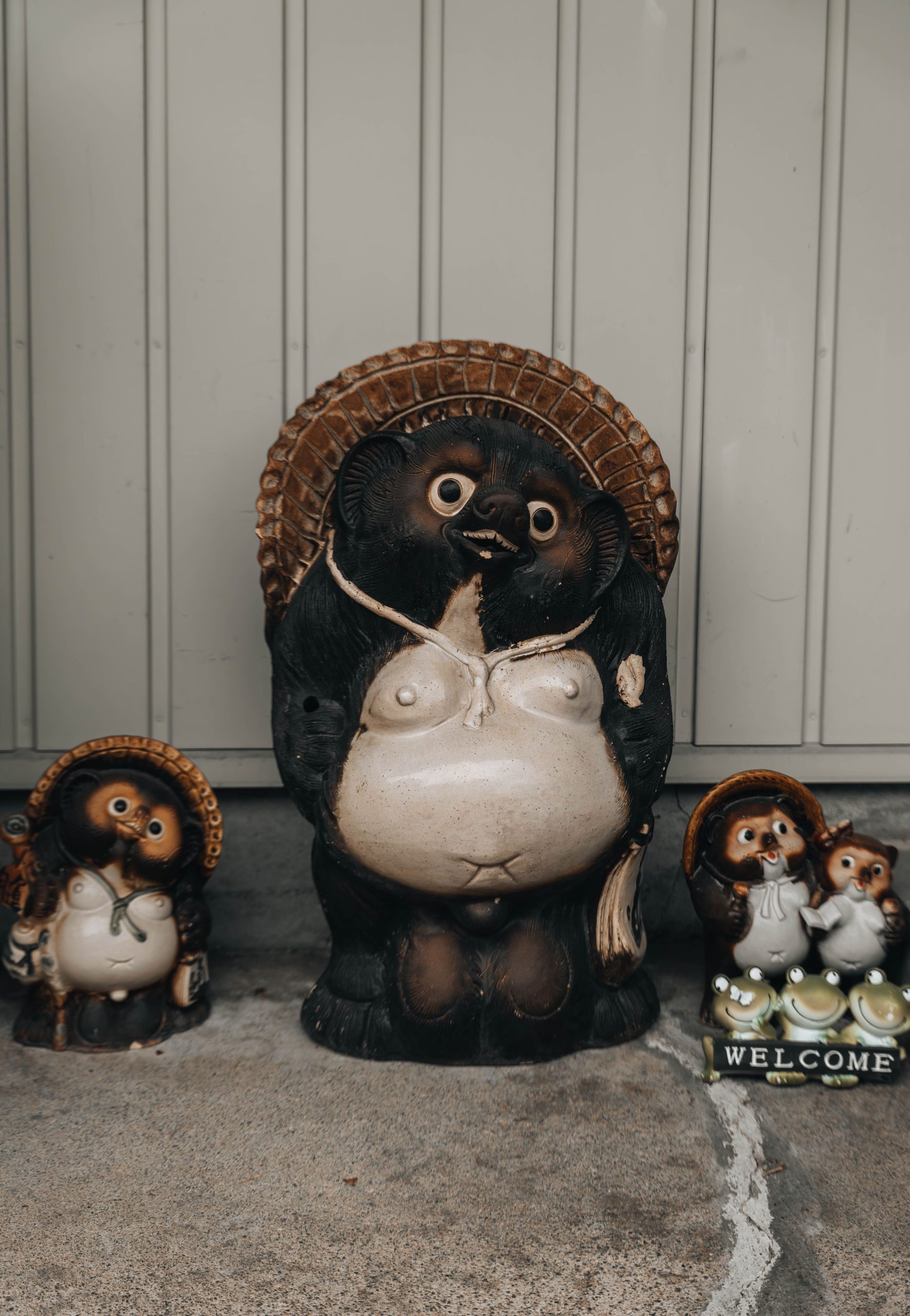
Do you think creatures like the Kappa from Japanese folklore could have been based on real encounters? 😁
- 0
- 310 words
Exploring the Origins of Legendary Creatures: Could the Kappa of Japanese Folklore Be Based on Real Encounters? Throughout history, folklore has served...
Read out all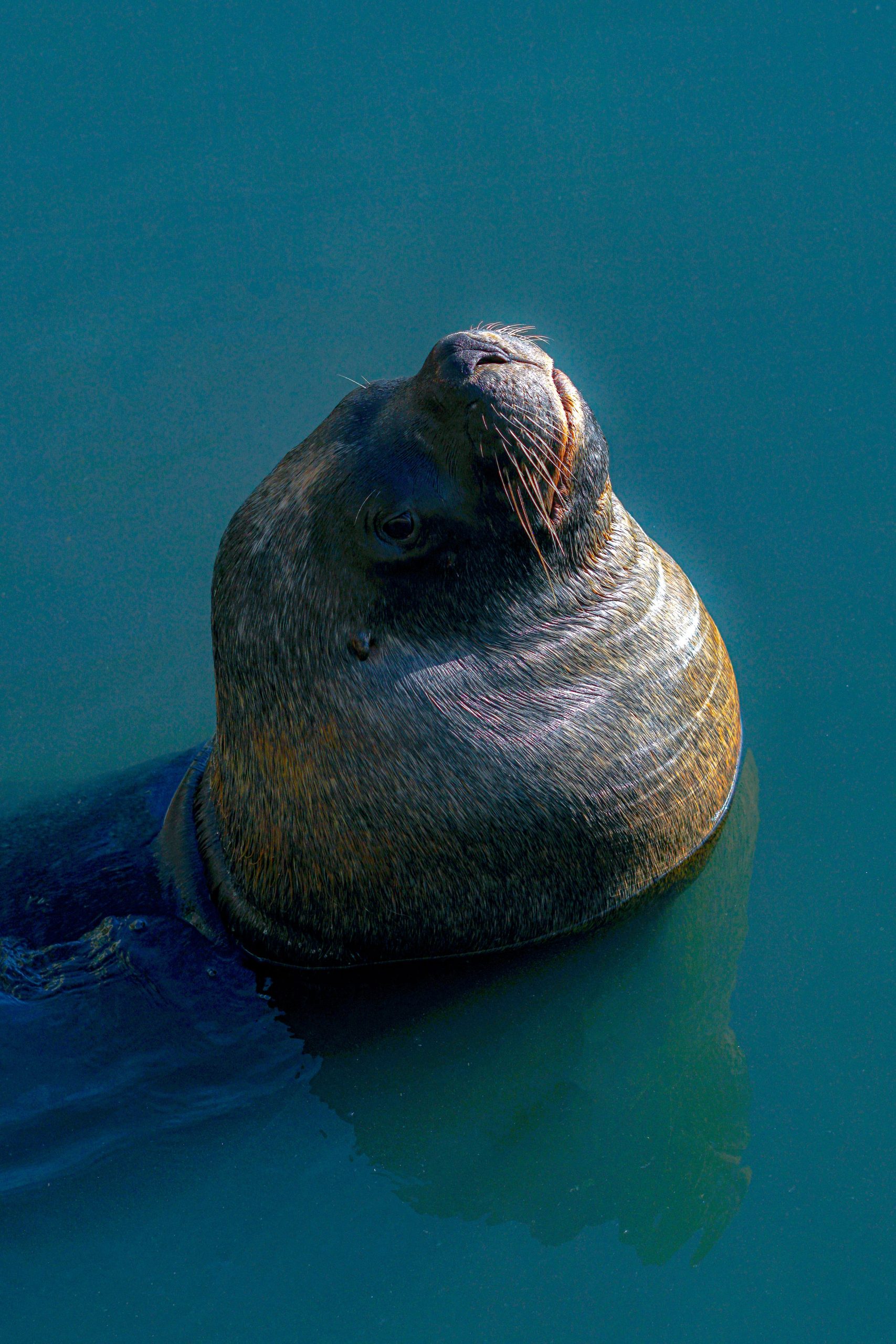
Alleged Steller’s Sea Cow photographed in Norway, 1987
- 0
- 523 words
Exploring the 1987 Photograph Allegedly Depicting a Steller’s Sea Cow in Norway In the realm of cryptozoology and maritime folklore, few images...
Read out all
Excluding animals that are now known to exist, what are your favorite “normal looking” cryptids?
- 0
- 465 words
Exploring the Fascination with “Normal-Looking” Cryptids: Fascinating Variations of Known Animals Cryptids—mysterious creatures believed to exist outside the realm of verified science—have...
Read out all