
- 0
- 301 words
Unveiling the Mysteries of the Ipupiara: Could It Be the Leopard Seal?
Throughout history, various accounts and legends have shrouded the so-called “Ipupiara,” a mysterious marine creature reported along the Brazilian coast. One notable incident dates back to 1564, in the captaincy of São Vicente, when an alleged Ipupiara was reportedly killed by Captain Baltazar Ferreira following an attack on the beach during the night. Such stories have fueled curiosity and intrigue among explorers, sailors, and researchers alike.
Historical documentation offers intriguing descriptions of this creature. The Portuguese chronicler Pero de Magalhães Gândavo, in his 1576 writings, described the creature as being “fifteen spans long,” with a hairy body and prominent whiskers. These details spark comparisons with known marine mammals, particularly the leopard seal (Hydrurga leptonyx).
The leopard seal is renowned for its impressive size, typically measuring between 2.4 and 3.6 meters (approximately 12 to 18 hand spans, assuming an average hand span of 20 centimeters). Their distinctive appearance and aquatic behavior have made them subjects of fascination, especially when sightings are rare or anecdotal evidence arises from historical accounts.
In Brazil, the presence of the leopard seal has been documented in only two states: Rio Grande do Sul and Santa Catarina. Occasional reports and sightings in these regions continue to contribute to the ongoing debate regarding the true nature of the Ipupiara. Some believe that these encounters could indeed involve the leopard seal, while others suggest that the creature’s folklore may encompass a variety of marine animals or even speculative entities.
The story of the Ipupiara remains a captivating chapter in Brazil’s maritime history, prompting both scientific inquiry and cultural reflection. Whether it represents an undocumented species, an exaggerated legend, or a misidentified known animal, the creature’s enduring mystery continues to inspire curiosity and exploration of Brazil’s rich marine ecosystems.
Author

Related posts

Is anyone else tired of all the creepypasta characters and Skinwalkers being brought up constantly in the comments?
- 0
- 296 words
Addressing the Overrepresentation of Creepypasta and Mythical Entities in Online Discussions In the realm of online cryptozoology communities, engaging conversations often revolve...
Read out all
Is the Bodette Film completely wiped out from the internet?
- 0
- 322 words
The Mystery of the Bodette Film: Is It Truly Wiped from the Internet? The internet is a vast and constantly evolving landscape,...
Read out all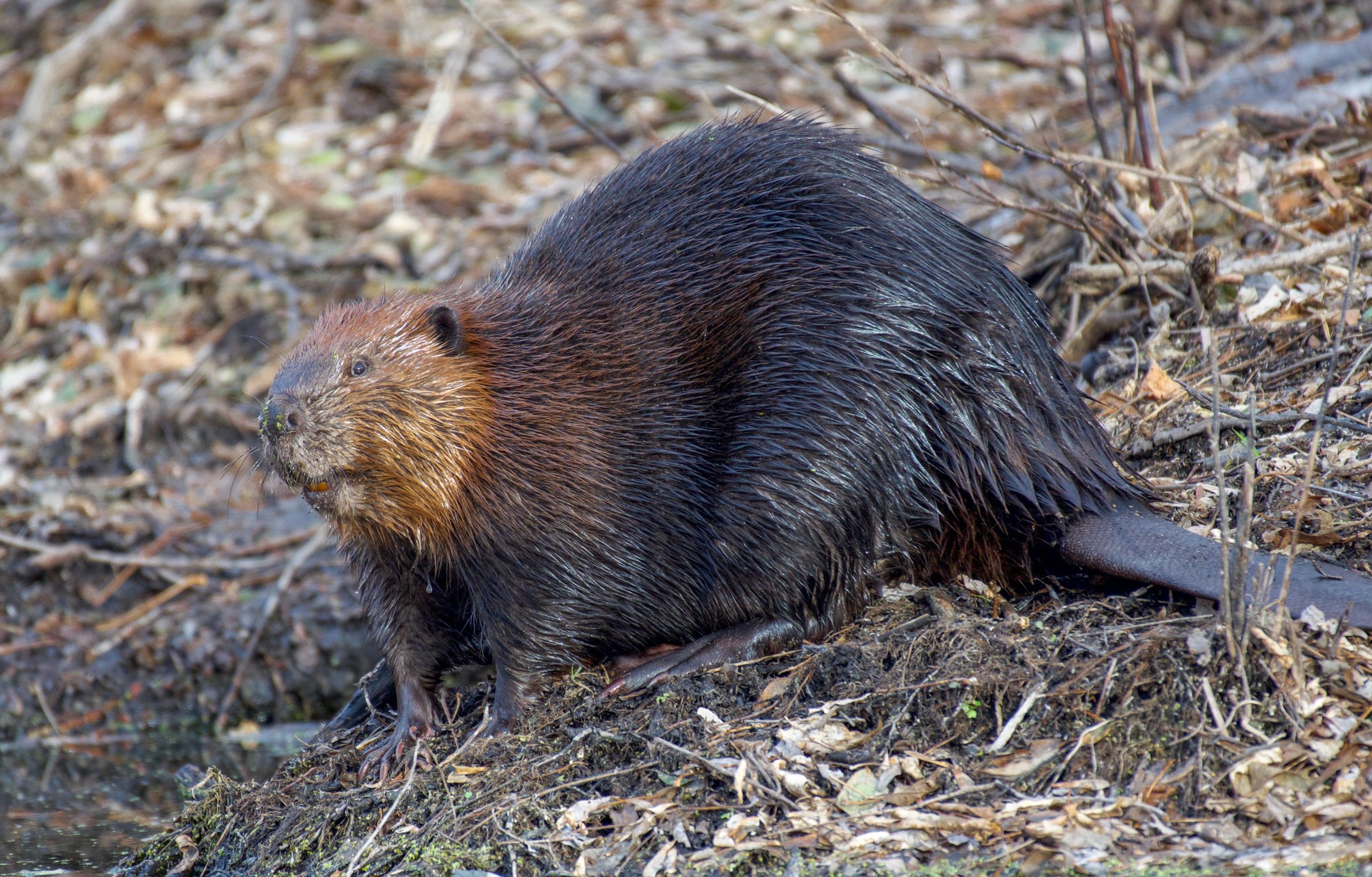
Is it possible to have seen an extinct Giant Beaver? Didn’t know if it’s classified as cryptid.
- 0
- 424 words
Could You Have Encountered an Extinct Giant Beaver? Exploring a Mysterious Sightning Throughout history, sightings of unusual or elusive creatures often spark...
Read out all
Do you think creatures like the Kappa from Japanese folklore could have been based on real encounters? 😁
- 0
- 310 words
Exploring the Origins of Legendary Creatures: Could the Kappa of Japanese Folklore Be Based on Real Encounters? Throughout history, folklore has served...
Read out all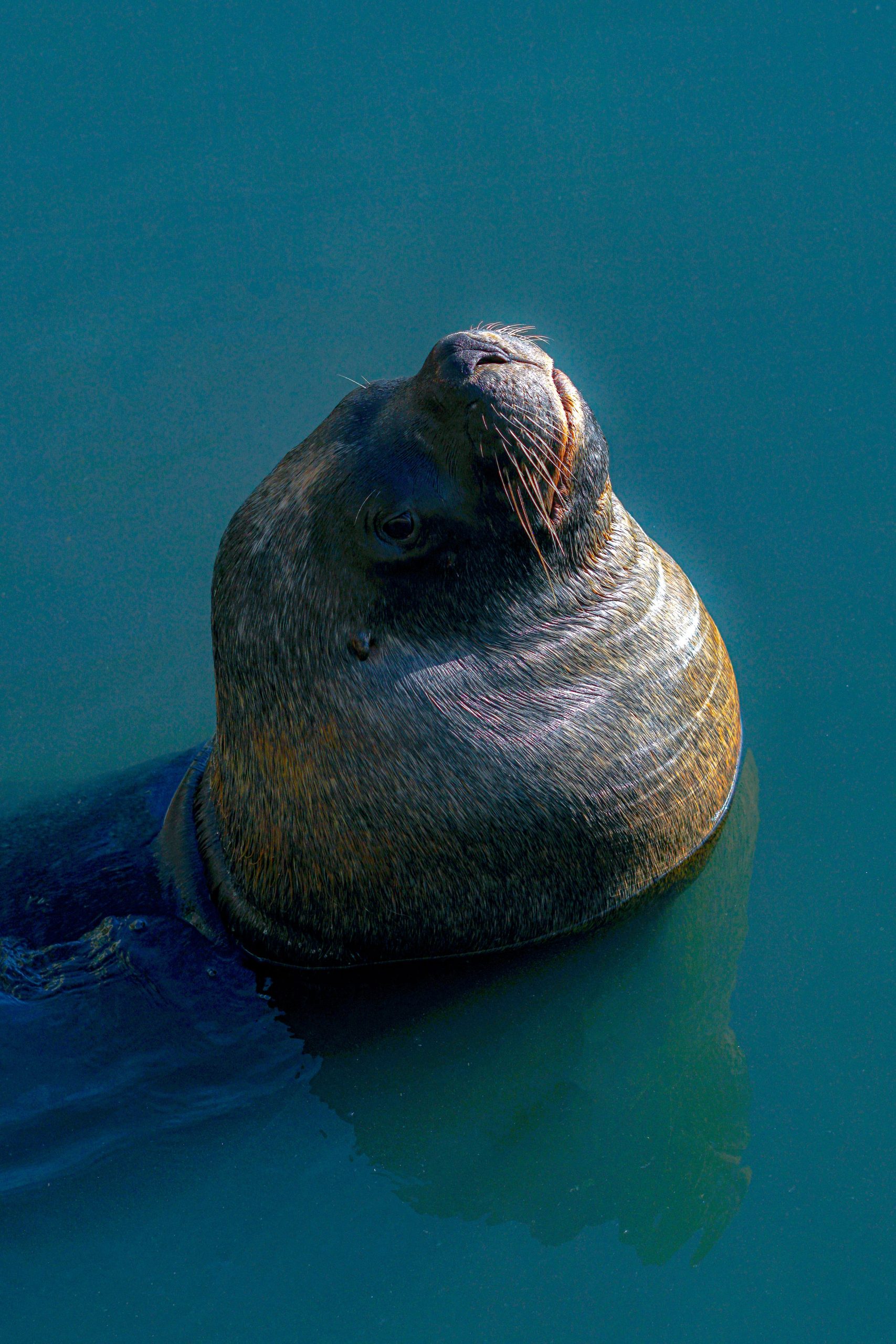
Alleged Steller’s Sea Cow photographed in Norway, 1987
- 0
- 523 words
Exploring the 1987 Photograph Allegedly Depicting a Steller’s Sea Cow in Norway In the realm of cryptozoology and maritime folklore, few images...
Read out all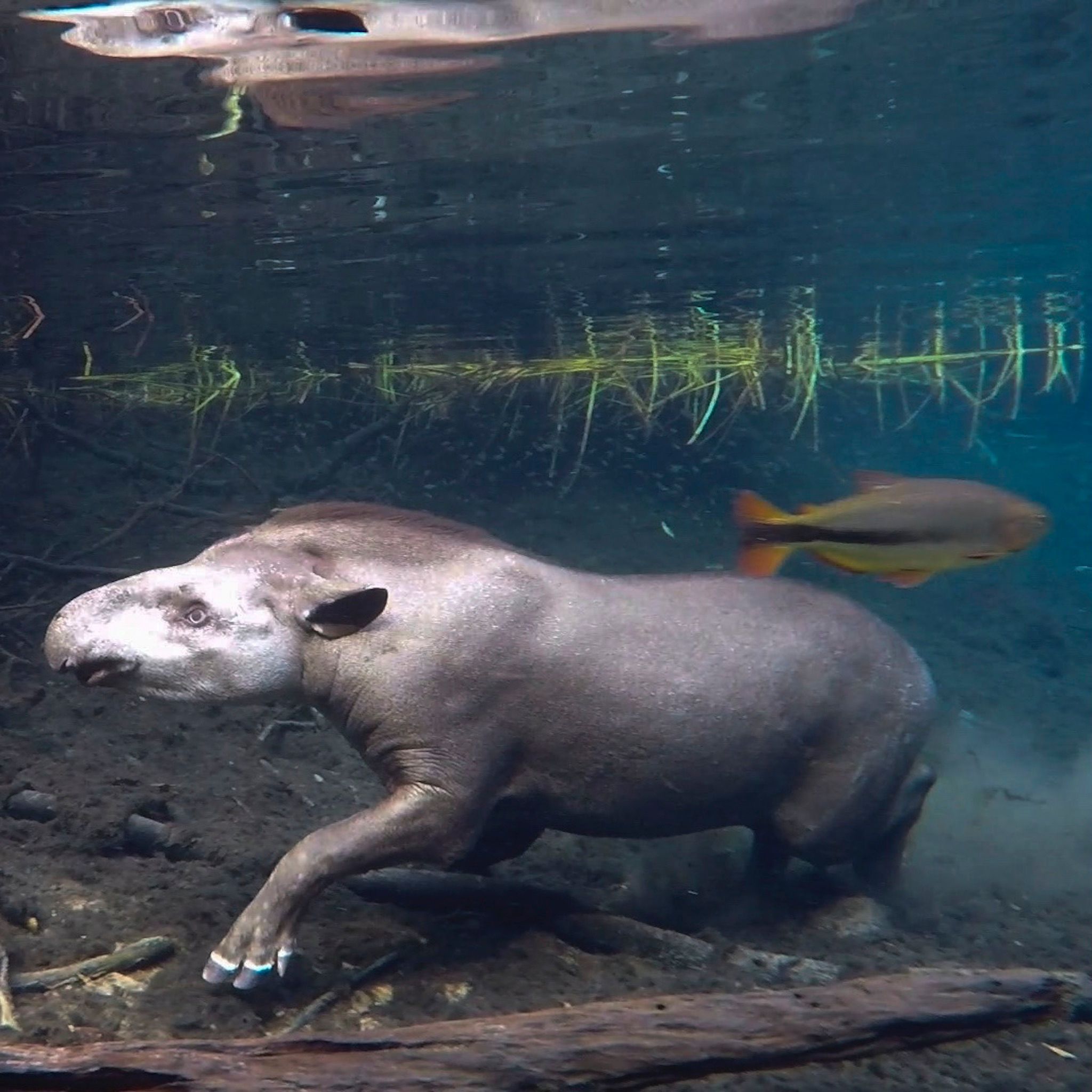
Excluding animals that are now known to exist, what are your favorite “normal looking” cryptids?
- 0
- 465 words
Exploring the Fascination with “Normal-Looking” Cryptids: Fascinating Variations of Known Animals Cryptids—mysterious creatures believed to exist outside the realm of verified science—have...
Read out all