- 0
- 294 words
Examining Alleged Footage of a “Terror Bird” on a Remote Pacific Island
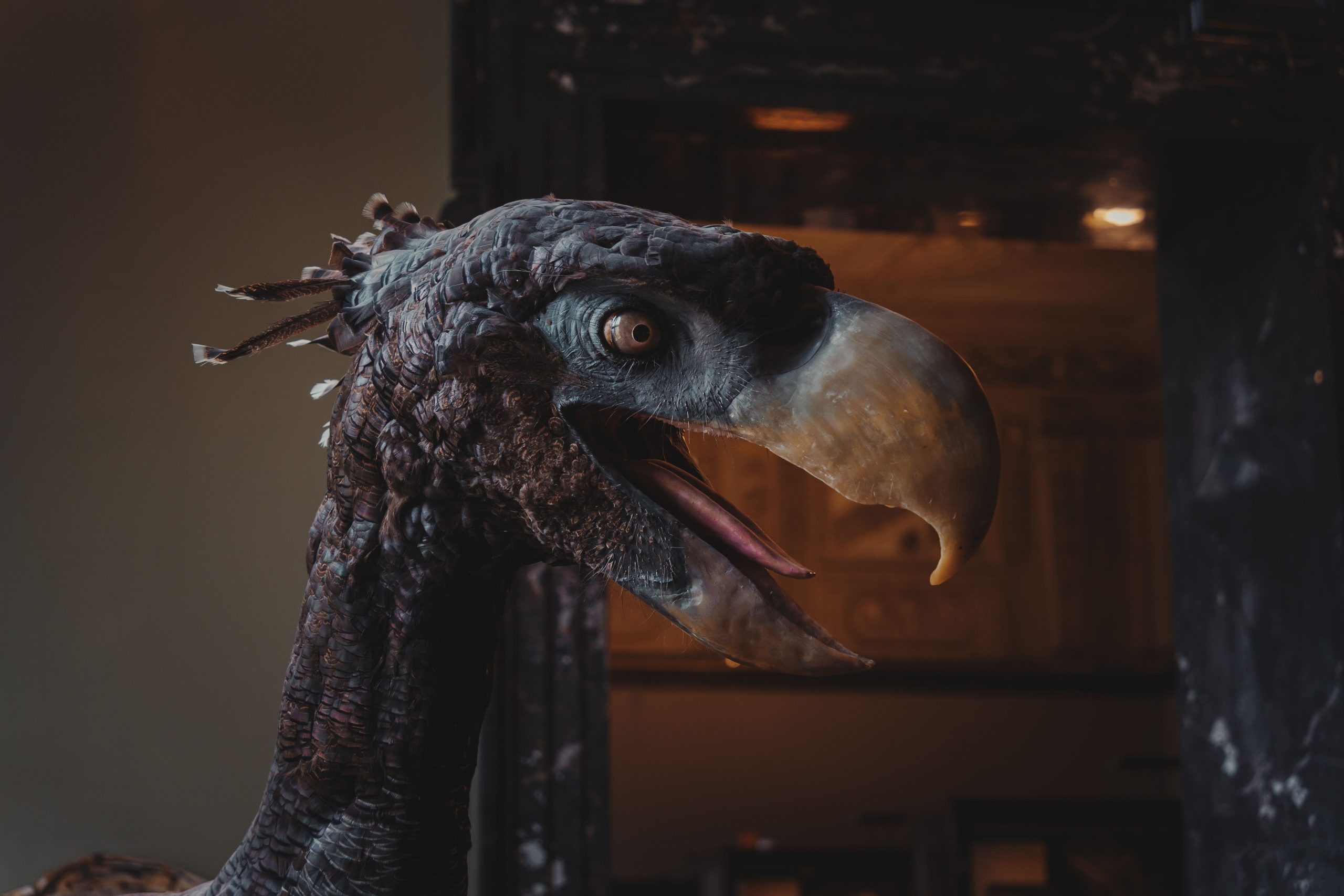
Recently, a video circulated on social media showing what is claimed to be a “terror bird” inhabiting a secluded island in the Pacific. The footage, shared on Threads, depicts a creature approximately 2.5 meters (8.2 feet) tall, according to the uploader. Such claims naturally pique curiosity given the creature’s imposing stature and the remote nature of its supposed habitat.
However, upon closer analysis and considering various expert opinions, skepticism arises regarding the authenticity of this footage. Many viewers and commentators have suggested that the creature in question may simply be a juvenile bird or chick, photographed from a distance that distorts its apparent size. Notably, the wings appear disproportionately large compared to the rest of the body, a common visual artifact when observing smaller birds from afar or through footage of limited clarity.
The concept of a living “terror bird”—a large, flightless predator known from fossil records—has long fascinated researchers and enthusiasts alike. While these ancient birds, such as the genus Phorusrhacidae, once roamed South America, current scientific consensus does not support the existence of such creatures persisting into modern times, particularly on isolated Pacific islands.
Given the limitations of video quality, lack of corroborating evidence, and the potential for misinterpretation, it remains unlikely that this footage provides definitive proof of a living terror bird. Instead, it underscores the importance of critical analysis and scientific scrutiny when evaluating extraordinary claims from amateur footage.
In conclusion, while the idea of a living terror bird is captivating and fuels the imagination, current evidence and expert opinions lean towards skepticism. As with many such sightings, further investigation and high-quality evidence would be required to substantiate any claims of modern-day terrors spanning from prehistoric origins.
Author

Related posts

Is anyone else tired of all the creepypasta characters and Skinwalkers being brought up constantly in the comments?
- 0
- 296 words
Addressing the Overrepresentation of Creepypasta and Mythical Entities in Online Discussions In the realm of online cryptozoology communities, engaging conversations often revolve...
Read out all
Is the Bodette Film completely wiped out from the internet?
- 0
- 322 words
The Mystery of the Bodette Film: Is It Truly Wiped from the Internet? The internet is a vast and constantly evolving landscape,...
Read out all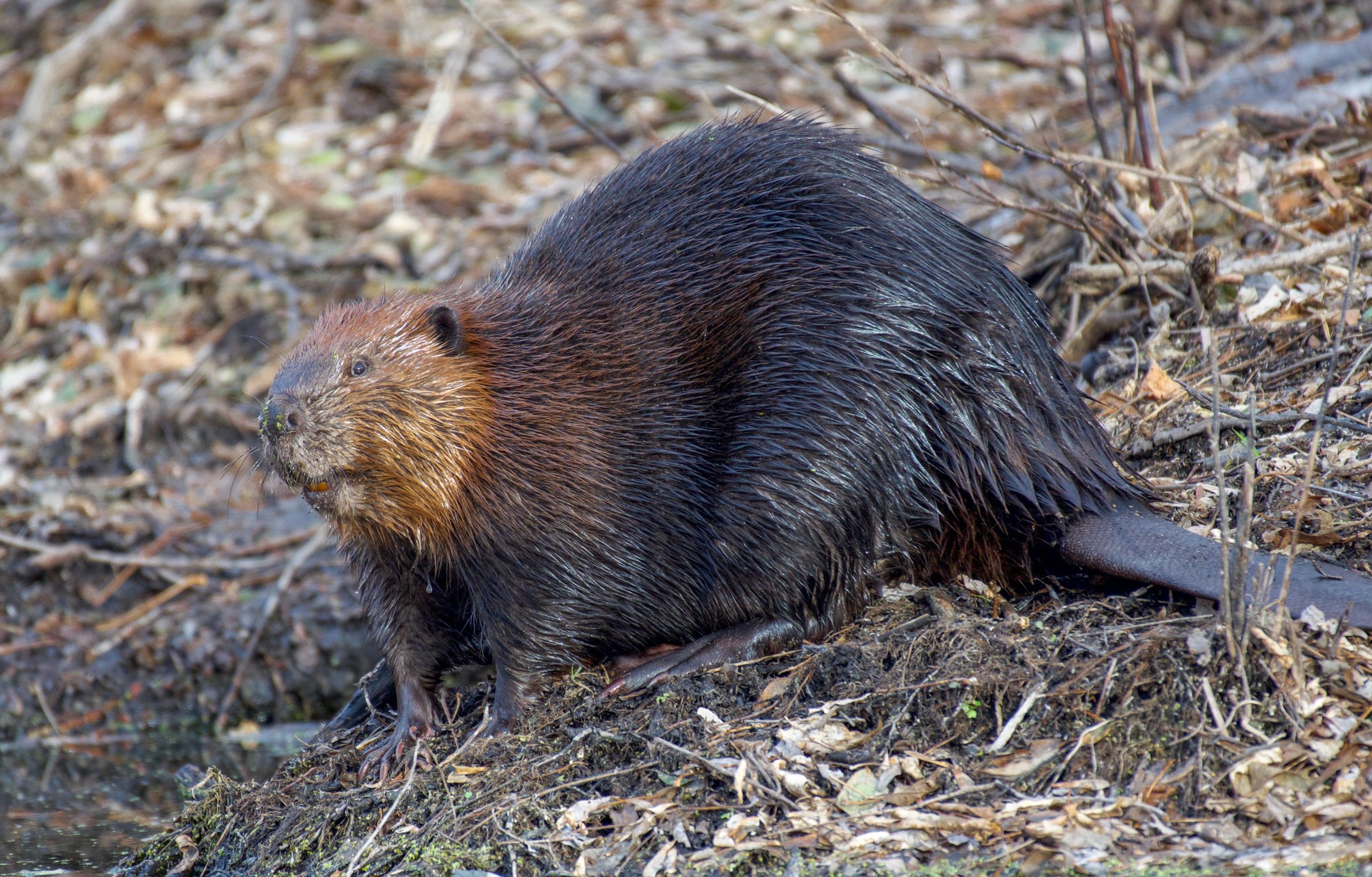
Is it possible to have seen an extinct Giant Beaver? Didn’t know if it’s classified as cryptid.
- 0
- 424 words
Could You Have Encountered an Extinct Giant Beaver? Exploring a Mysterious Sightning Throughout history, sightings of unusual or elusive creatures often spark...
Read out all
Do you think creatures like the Kappa from Japanese folklore could have been based on real encounters? 😁
- 0
- 310 words
Exploring the Origins of Legendary Creatures: Could the Kappa of Japanese Folklore Be Based on Real Encounters? Throughout history, folklore has served...
Read out all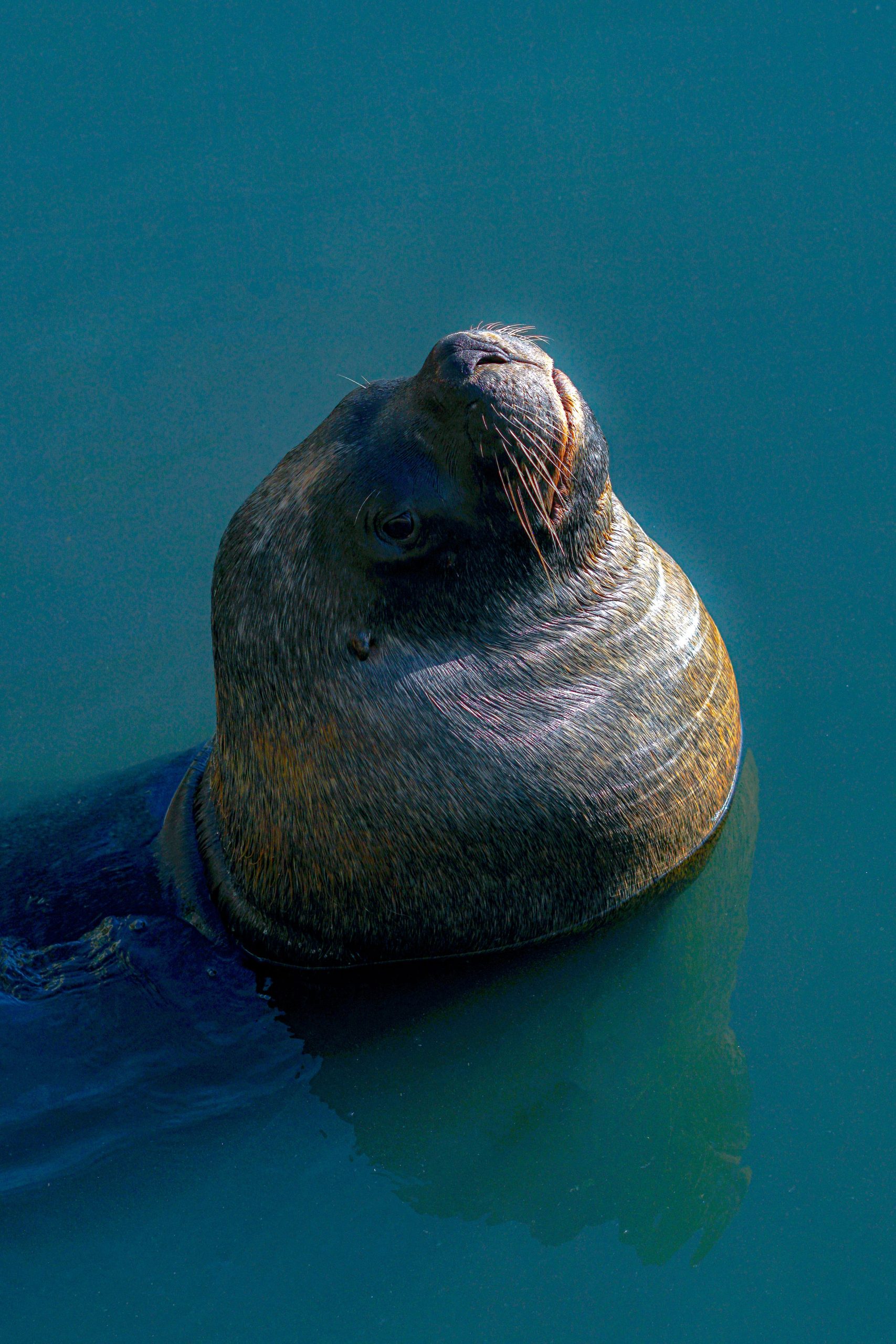
Alleged Steller’s Sea Cow photographed in Norway, 1987
- 0
- 523 words
Exploring the 1987 Photograph Allegedly Depicting a Steller’s Sea Cow in Norway In the realm of cryptozoology and maritime folklore, few images...
Read out all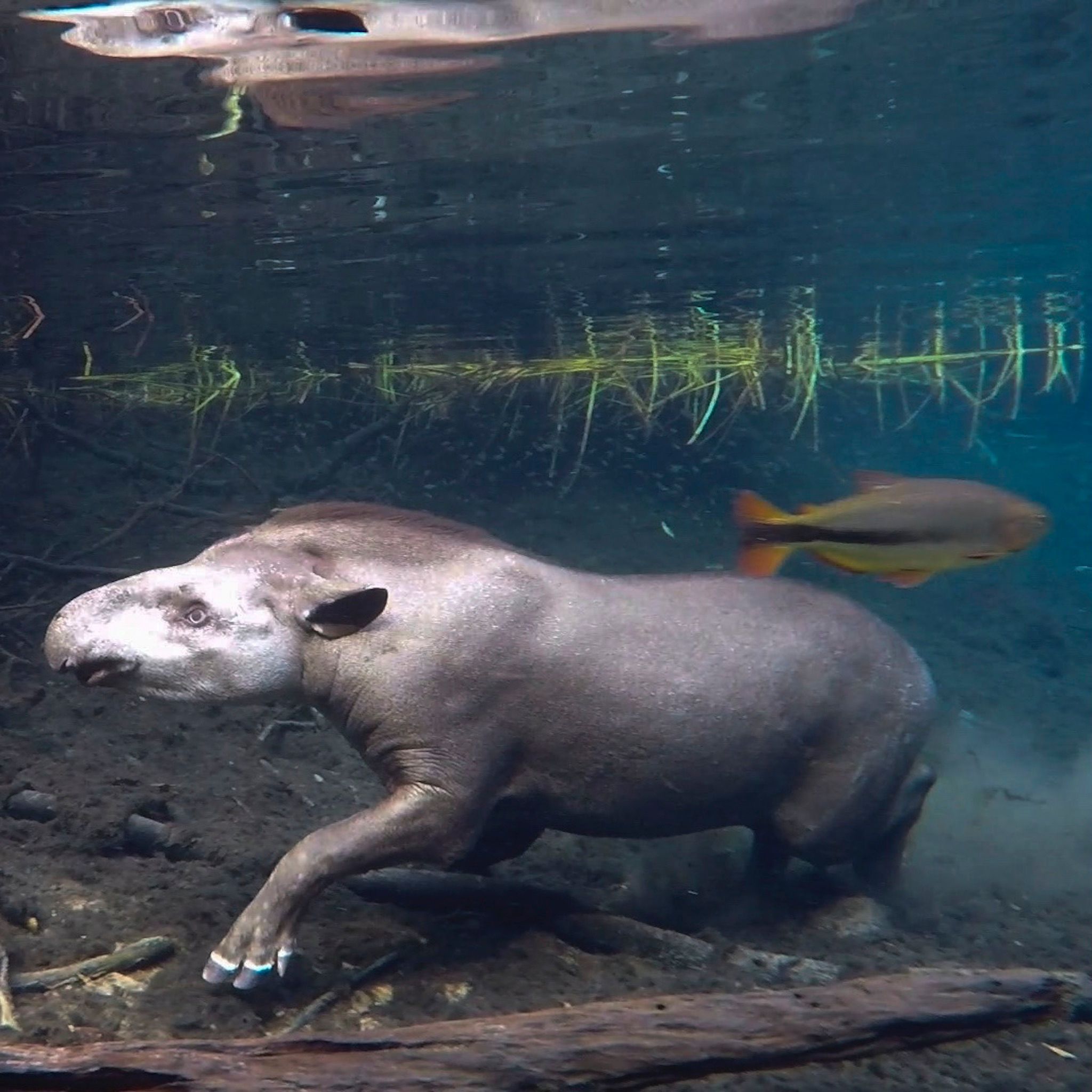
Excluding animals that are now known to exist, what are your favorite “normal looking” cryptids?
- 0
- 465 words
Exploring the Fascination with “Normal-Looking” Cryptids: Fascinating Variations of Known Animals Cryptids—mysterious creatures believed to exist outside the realm of verified science—have...
Read out all