- 0
- 218 words
Unveiling a Remarkable Paleontological Discovery: The Two-Headed Fossil Found in China in 2006
In the realm of paleontology, few discoveries capture the imagination quite like the finding of a two-headed fossil. In 2006, a team of French and Chinese scientists uncovered an extraordinary specimen in China that has since drawn significant attention within scientific circles. This fossil represents one of the most remarkable examples of developmental abnormalities recorded in the fossil record.
The specimen in question is exceptionally rare, as it showcases a case where a single animal exhibited a genetic mutation or developmental abnormality resulting in two heads. Such paleo-teratological fossils—those revealing congenital deformities—are exceedingly uncommon, providing invaluable insights into prehistoric life and developmental biology.
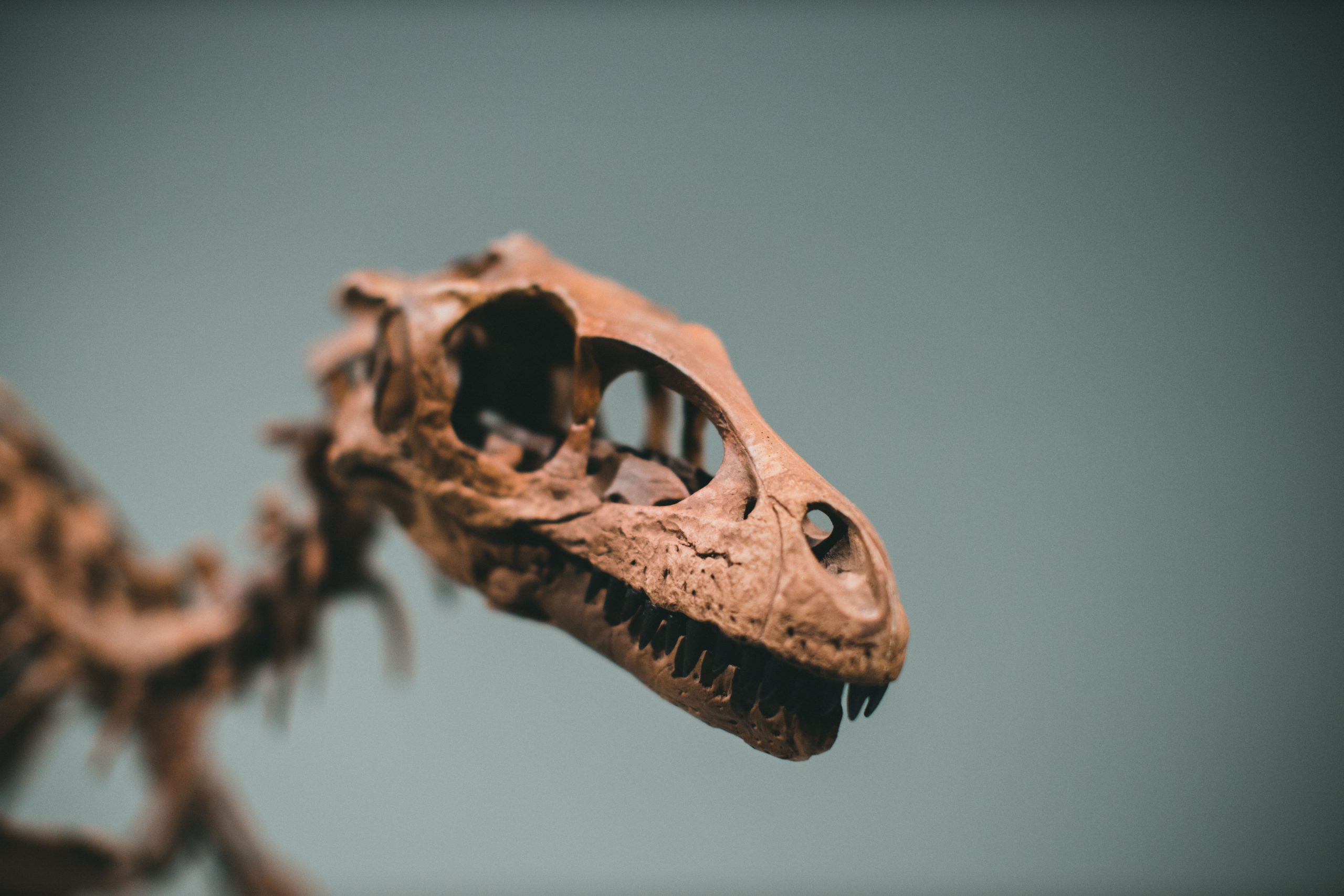
Despite its outward appearance reminiscent of a dinosaur, this creature is, in fact, a member of the reptile group but not classified as a dinosaur. The discovery underscores the diversity and complexity of ancient reptilian life forms and highlights the importance of detailed paleontological research.
Currently, the fossil resides in China, where ongoing studies continue to shed light on its origins and implications. Visual documentation includes a photograph of the actual fossil and a reconstructed illustration illustrating what the creature might have looked like in life, offering a compelling glimpse into a virtually unique specimen that bridges natural history and developmental science.
Author

Related posts

Is anyone else tired of all the creepypasta characters and Skinwalkers being brought up constantly in the comments?
- 0
- 296 words
Addressing the Overrepresentation of Creepypasta and Mythical Entities in Online Discussions In the realm of online cryptozoology communities, engaging conversations often revolve...
Read out all
Is the Bodette Film completely wiped out from the internet?
- 0
- 322 words
The Mystery of the Bodette Film: Is It Truly Wiped from the Internet? The internet is a vast and constantly evolving landscape,...
Read out all
Is it possible to have seen an extinct Giant Beaver? Didn’t know if it’s classified as cryptid.
- 0
- 424 words
Could You Have Encountered an Extinct Giant Beaver? Exploring a Mysterious Sightning Throughout history, sightings of unusual or elusive creatures often spark...
Read out all
Do you think creatures like the Kappa from Japanese folklore could have been based on real encounters? 😁
- 0
- 310 words
Exploring the Origins of Legendary Creatures: Could the Kappa of Japanese Folklore Be Based on Real Encounters? Throughout history, folklore has served...
Read out all
Alleged Steller’s Sea Cow photographed in Norway, 1987
- 0
- 523 words
Exploring the 1987 Photograph Allegedly Depicting a Steller’s Sea Cow in Norway In the realm of cryptozoology and maritime folklore, few images...
Read out all
Excluding animals that are now known to exist, what are your favorite “normal looking” cryptids?
- 0
- 465 words
Exploring the Fascination with “Normal-Looking” Cryptids: Fascinating Variations of Known Animals Cryptids—mysterious creatures believed to exist outside the realm of verified science—have...
Read out all