- 0
- 284 words
Ivan T.. Sanderson’s Investigation into the “Giant Penguin” Phenomenon in Florida During the 1940s
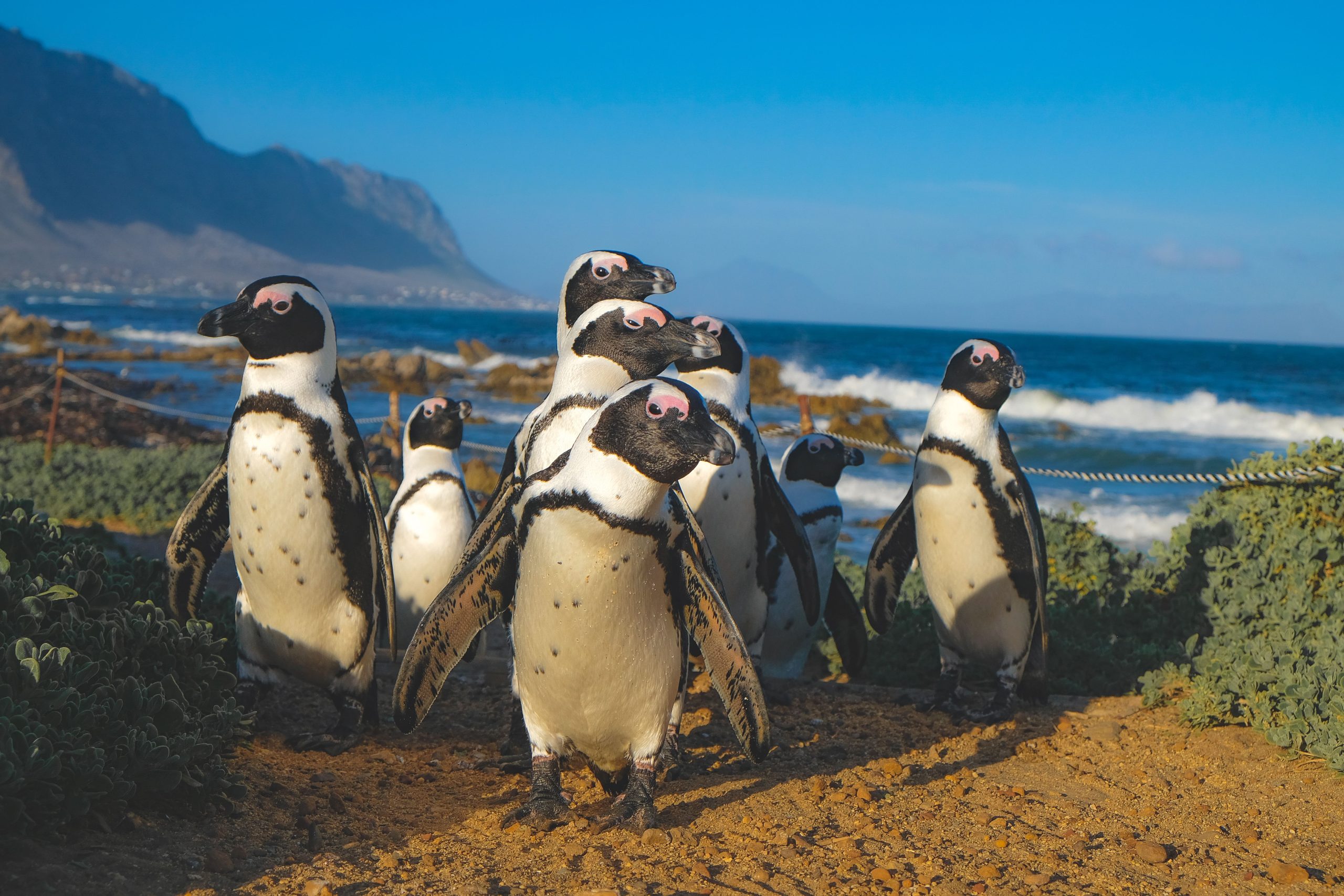
In the mid-20th century, reports of unusual marine sightings captured public imagination and sparked intrigue among cryptozoologists. Among these curious episodes was the so-called “giant penguin” sighting off the coast of Florida, a tale that would later be traced back to the efforts of a pioneering researcher.
The story gained significant attention during the 1940s, with numerous eyewitness accounts describing a large penguin-like creature swimming near the beaches. These reports were characterized by descriptions of a sizeable bird, seemingly out of place in the warm Floridian waters. The phenomenon fueled speculation and curiosity, prompting investigations from researchers and enthusiasts alike.
Historical records now indicate that the origins of this phenomenon can be linked to an individual who intentionally or inadvertently sparked the occurrence. His involvement led to a series of sightings and reports, many of which were shared within local communities and the media. The result was a heightened state of excitement and a flurry of investigations into the possibility of an undiscovered marine species.
This case exemplifies how a small act—whether a prank, a misidentification, or an attempt at humor—can have outsized effects in the realm of cryptozoological investigation. Such incidents not only highlight the importance of critical analysis in evaluating eyewitness reports but also demonstrate how social perception can influence scientific exploration.
Ultimately, the “giant penguin” sightings off Florida serve as a fascinating example of the intersection between human psychology, social dynamics, and the pursuit of elusive wildlife mysteries. They remind us that even seemingly trivial actions can shape the course of scientific inquiry, often blurring the line between genuine discovery and playful deception.
Author

Related posts

Is anyone else tired of all the creepypasta characters and Skinwalkers being brought up constantly in the comments?
- 0
- 296 words
Addressing the Overrepresentation of Creepypasta and Mythical Entities in Online Discussions In the realm of online cryptozoology communities, engaging conversations often revolve...
Read out all
Is the Bodette Film completely wiped out from the internet?
- 0
- 322 words
The Mystery of the Bodette Film: Is It Truly Wiped from the Internet? The internet is a vast and constantly evolving landscape,...
Read out all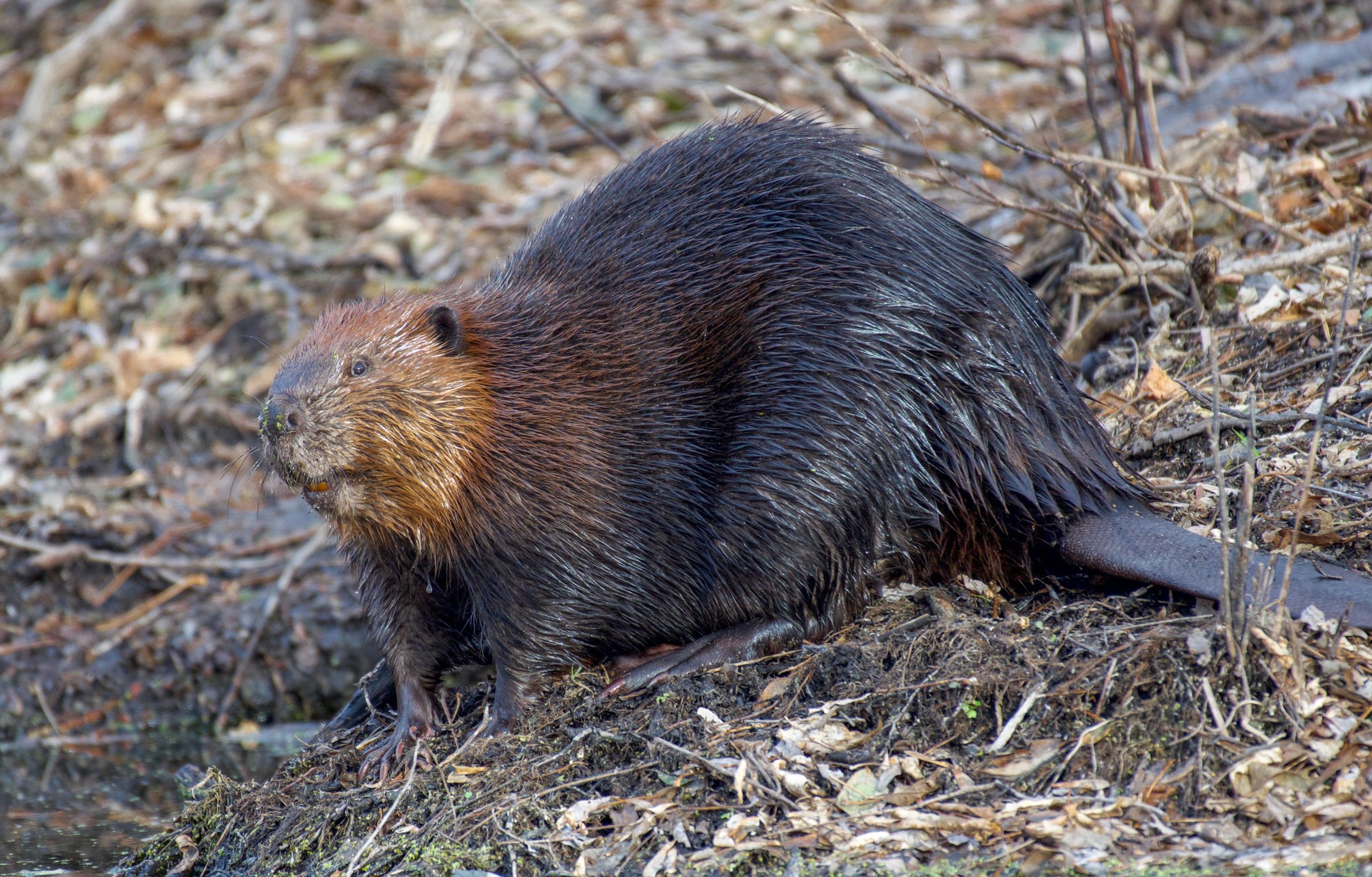
Is it possible to have seen an extinct Giant Beaver? Didn’t know if it’s classified as cryptid.
- 0
- 424 words
Could You Have Encountered an Extinct Giant Beaver? Exploring a Mysterious Sightning Throughout history, sightings of unusual or elusive creatures often spark...
Read out all
Do you think creatures like the Kappa from Japanese folklore could have been based on real encounters? 😁
- 0
- 310 words
Exploring the Origins of Legendary Creatures: Could the Kappa of Japanese Folklore Be Based on Real Encounters? Throughout history, folklore has served...
Read out all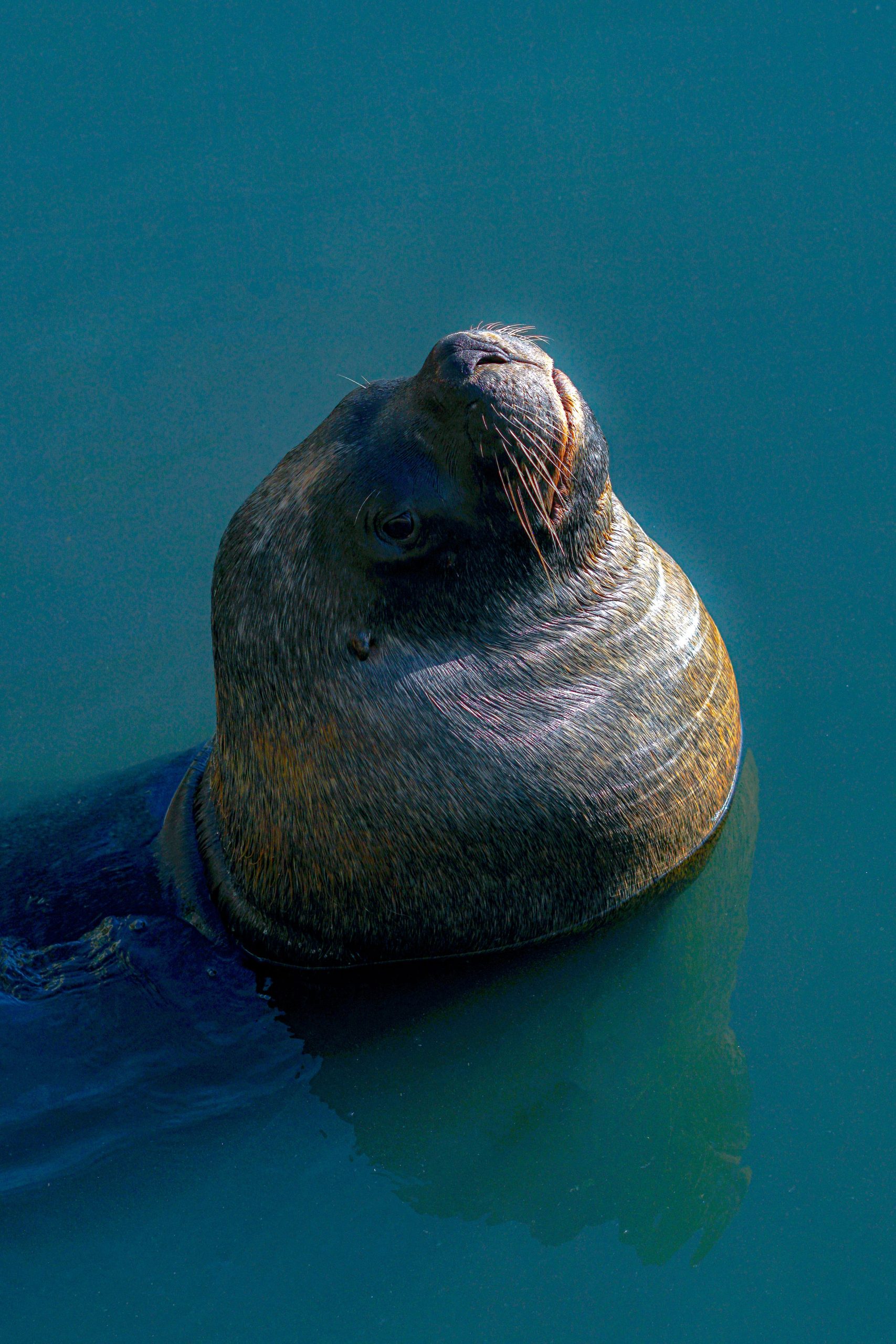
Alleged Steller’s Sea Cow photographed in Norway, 1987
- 0
- 523 words
Exploring the 1987 Photograph Allegedly Depicting a Steller’s Sea Cow in Norway In the realm of cryptozoology and maritime folklore, few images...
Read out all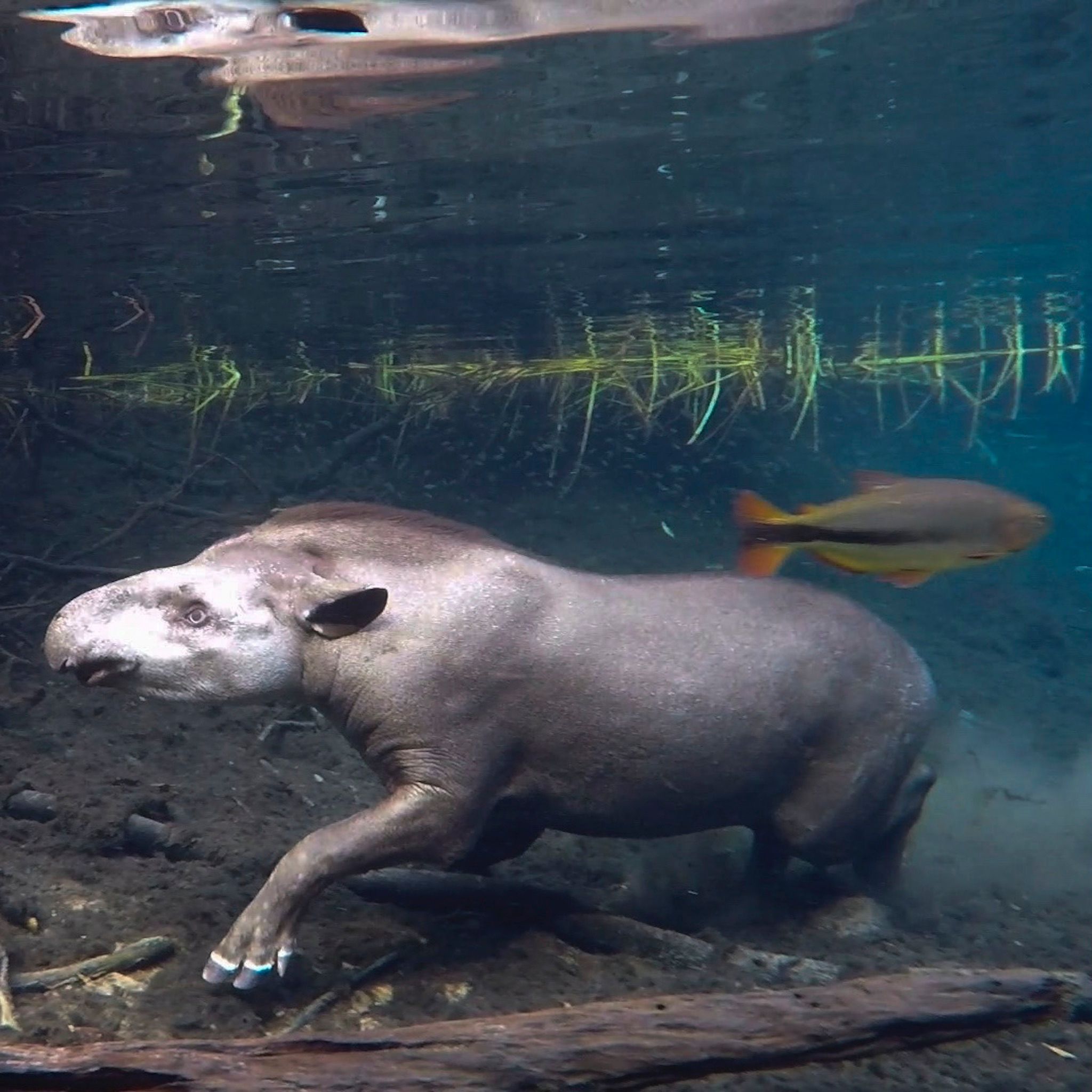
Excluding animals that are now known to exist, what are your favorite “normal looking” cryptids?
- 0
- 465 words
Exploring the Fascination with “Normal-Looking” Cryptids: Fascinating Variations of Known Animals Cryptids—mysterious creatures believed to exist outside the realm of verified science—have...
Read out all