- 0
- 353 words
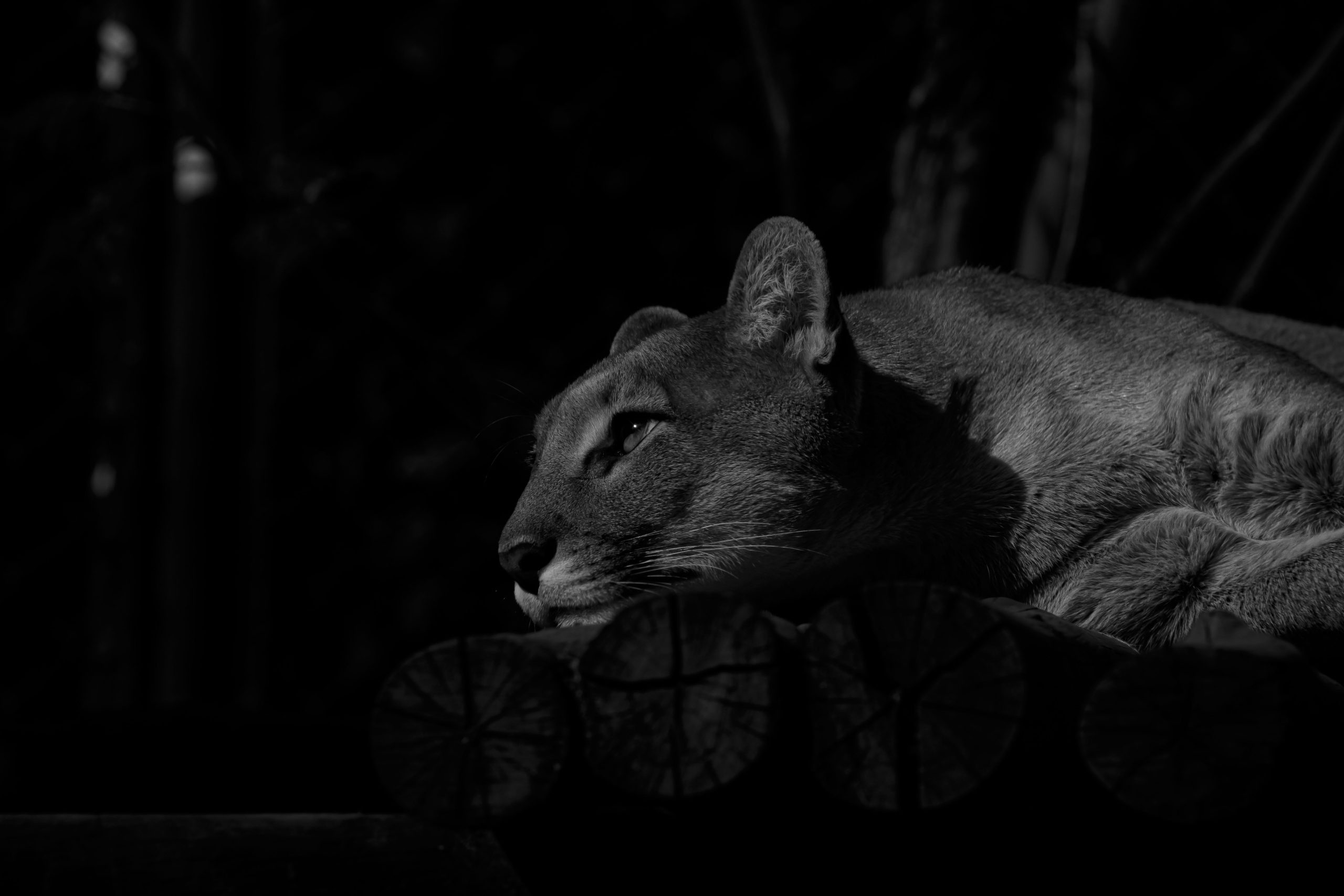
Unraveling the Mystery of Black Lion and Black Cougar Sightings: A Possible Explanation
In the realm of wildlife sightings, few topics ignite as much curiosity and speculation as the reports of black lions and black cougars. These sightings have captured the imagination of enthusiasts and investigators alike, often fueling rumors and legends. While many such encounters remain unverified, recent insights suggest that some may be attributable to natural phenomena and post-incident scenarios involving big cats.
Consider the case of a lioness involved in a fierce confrontation with an African Cape Buffalo along a muddy riverbank. Following a protracted struggle, the lioness’s appearance could be significantly altered—she may be covered in mud, blood, or exhibiting signs of exhaustion and injury. If observers encounter her shortly after such an incident, and at a distance from the riverbank, they might incorrectly interpret her as a black lioness, especially if her coloration appears darker due to environmental factors or mud coverage.
This scenario offers a plausible explanation for some black lion sightings, particularly those documented near water sources or after intense bouts of activity. The combination of seasonal mud, blood, and the natural lighting conditions can temporarily give these animals a darkened, almost black appearance that could be mistaken for a rare coloration variant.
However, it is important to recognize that this explanation does not encompass all reports of black big cats. Genuine melanistic individuals—animals with a genetic mutation causing an excess of black pigmentation—are exceedingly rare and have been documented in other feline species like leopards and jaguars. There is little confirmed evidence to suggest that black lions or black cougars exist as a common phenotype.
In essence, many black big cat sightings might be attributable to environmental effects, post-activity appearances, or misinterpretations rather than true genetic melanism. While the allure of encountering a rare, black big cat persists, scientific inquiry underscores the importance of critical evaluation and the need for verified evidence.
Ultimately, continued research, photographic documentation, and ecological understanding are essential to demystify these enigmatic sightings and distinguish between myth and reality in the captivating world of big cat encounters.
Author

Related posts

Is anyone else tired of all the creepypasta characters and Skinwalkers being brought up constantly in the comments?
- 0
- 296 words
Addressing the Overrepresentation of Creepypasta and Mythical Entities in Online Discussions In the realm of online cryptozoology communities, engaging conversations often revolve...
Read out all
Is the Bodette Film completely wiped out from the internet?
- 0
- 322 words
The Mystery of the Bodette Film: Is It Truly Wiped from the Internet? The internet is a vast and constantly evolving landscape,...
Read out all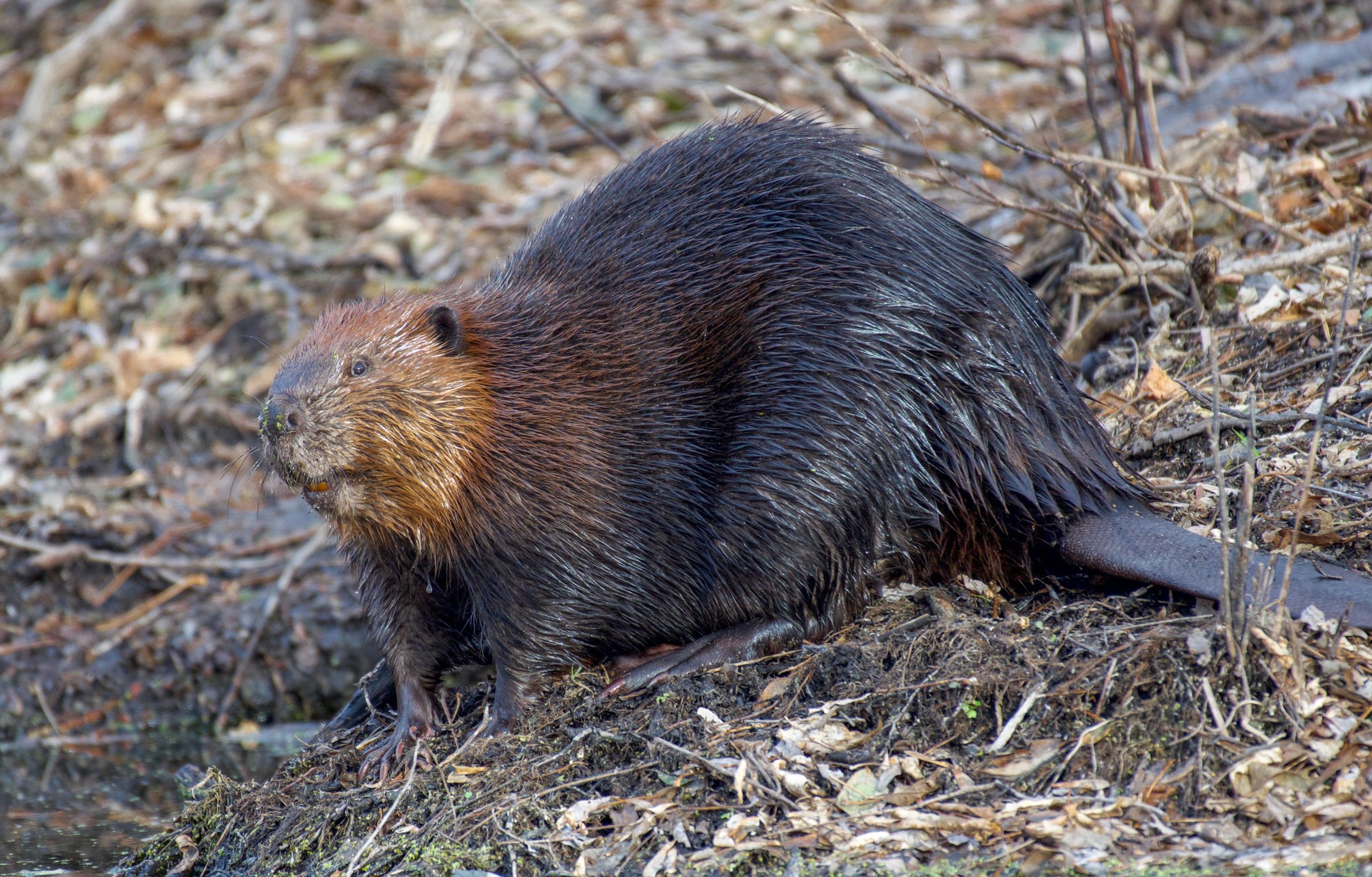
Is it possible to have seen an extinct Giant Beaver? Didn’t know if it’s classified as cryptid.
- 0
- 424 words
Could You Have Encountered an Extinct Giant Beaver? Exploring a Mysterious Sightning Throughout history, sightings of unusual or elusive creatures often spark...
Read out all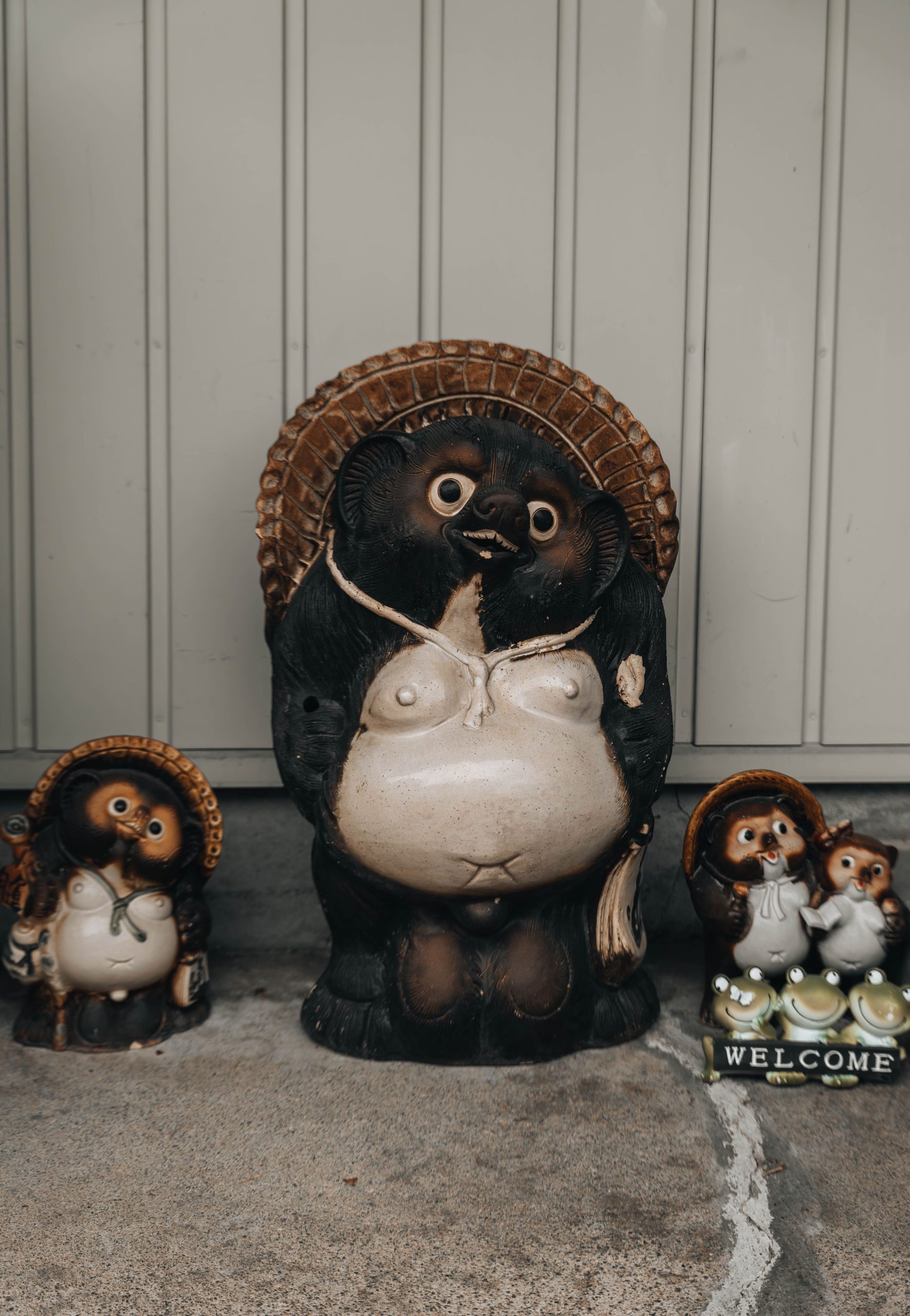
Do you think creatures like the Kappa from Japanese folklore could have been based on real encounters? 😁
- 0
- 310 words
Exploring the Origins of Legendary Creatures: Could the Kappa of Japanese Folklore Be Based on Real Encounters? Throughout history, folklore has served...
Read out all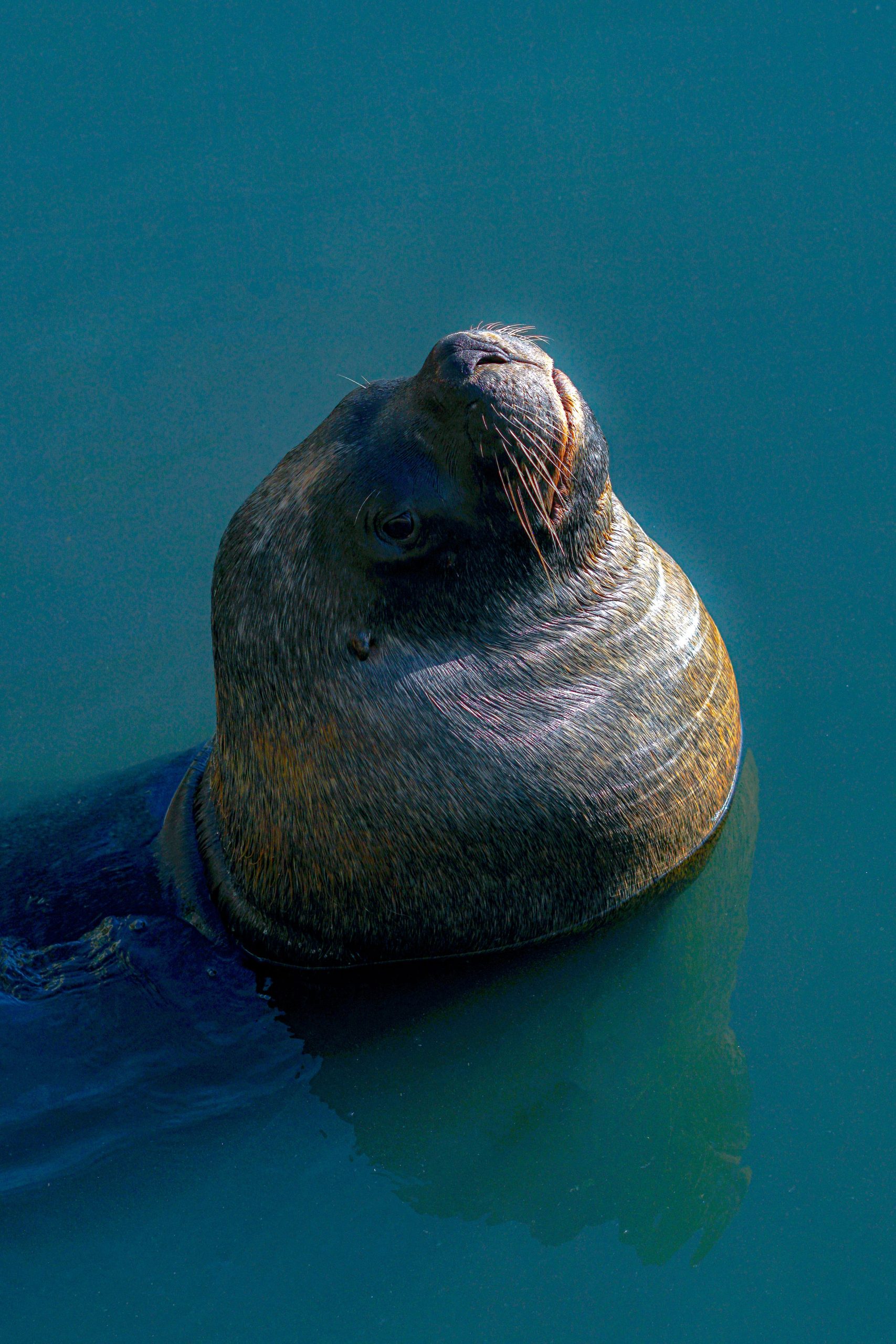
Alleged Steller’s Sea Cow photographed in Norway, 1987
- 0
- 523 words
Exploring the 1987 Photograph Allegedly Depicting a Steller’s Sea Cow in Norway In the realm of cryptozoology and maritime folklore, few images...
Read out all
Excluding animals that are now known to exist, what are your favorite “normal looking” cryptids?
- 0
- 465 words
Exploring the Fascination with “Normal-Looking” Cryptids: Fascinating Variations of Known Animals Cryptids—mysterious creatures believed to exist outside the realm of verified science—have...
Read out all