
- 0
- 691 words
Understanding the Fate of Dinosaurs: Why Extant Non-Avian Dinosaurs Are Not a Possibility
The notion of living, non-avian dinosaurs existing today has captivated imaginations and sparked numerous discussions. However, from a scientific standpoint, this idea is fundamentally implausible due to a series of catastrophic events and biological limitations. In this article, we’ll explore the reasons why surviving large dinosaurs, especially the non-avian variety, is virtually impossible, and elucidate the historical and environmental factors that have shaped the current dominance of mammals.
The Impact of the Cretaceous-Paleogene (K-Pg) Extinction Event
At the heart of this impossibility is the mass extinction event that occurred approximately 66 million years ago. The asteroid impact known as the Chicxulub impact was colossal, with a collision comparable to 13 million nuclear bombs exploding simultaneously. This asteroid, estimated to be about 10 to 15 kilometers in diameter, created a crater over 150 kilometers wide and released an unimaginable amount of energy.
The immediate aftermath was devastating: shockwaves triggered global earthquakes equivalent to magnitude 11, igniting wildfires worldwide, especially around coastal regions, which burned for months on end. Volcanic activity intensified, spewing vast amounts of ash and aerosols into the atmosphere, which persisted for years. An estimated 25 trillion metric tons of debris was lofted into the atmosphere, blocking sunlight and plunging the planet into darkness for extended periods. Surface temperatures soared to over 1,200°C during the debris fallout, effectively boiling oceans and incinerating surface life.
Ecological and Biological Consequences
The consequences for life on Earth were severe and widespread. Marine life experienced catastrophic declines; approximately 90% of plankton species died out, triggering collapses in marine food chains and leading to the extinction of marine reptiles. On land, the intense heat, darkness, and prolonged fires wiped out most large terrestrial animals, including all non-avian dinosaurs exceeding 25 kilograms in size. The global ecosystem was fundamentally reshaped; fungal blooms thrived on decaying matter, and massive tsunamis, triggered by the impact, swept across coastlines.
The scale of devastation meant that survival for large dinosaurs was virtually impossible. The environmental conditions created by the impact event and subsequent volcanic activity were incompatible with the existence of large, warm-blooded, terrestrial vertebrates. The extinction was comprehensive, leaving only small, adaptable species and some avian dinosaurs (birds) to survive.
Why Large Non-Avian Dinosaurs Could Not Have Survived
Given the magnitude of the extinction event, any hypothesis suggesting the survival of non-avian dinosaurs into the present day conflicts with established scientific evidence. For a large terrestrial animal to survive such an onslaught, it would need extraordinary resilience—resilience that, based on fossil records, no species possessed.
Furthermore, if even one species of non-avian dinosaur had persisted beyond the catastrophe, it would have significantly altered evolutionary trajectories. The dominance of mammals, including the eventual emergence of humans, is a testament to this. The fossil record over the last 66 million years shows a clear narrative: mammals rapidly diversified and occupied ecological niches vacated by extinct reptiles. The presence of large non-avian dinosaurs in the modern world would have prevented mammals from achieving their current dominance.
Current Evidence and Misconceptions
The only dinosaurs alive today are the birds, which are a specialized group of small, feathered theropods. Modern birds like cassowaries and ostriches are often cited as the closest living relatives of non-avian dinosaurs, but they are significantly different in size, behavior, and habitat. Reports of cryptids such as Mokele-Mbembe or the Ropen are either based on misidentifications or folklore rather than scientific evidence. No credible fossils or observations support the existence of large, living non-avian dinosaurs.
Conclusion
While the idea of dinosaurs roaming the Earth today is compelling and popular in fiction, the scientific reality confirms that all non-avian dinosaurs went extinct over 66 million years ago. The catastrophic impact event, coupled with environmental upheaval, made their survival impossible. Modern reptiles and birds carry the legacy of their ancient ancestors, but the megafauna of the Cretaceous has been gone for eons. Our current biosphere is shaped by mammals and birds, with no evidence suggesting the return of ancient reptilian rulers.
Understanding these facts helps us appreciate the dynamic history of life on Earth and emphasizes the importance of scientific inquiry in unraveling the planet’s deep past.
Author

Related posts

Is anyone else tired of all the creepypasta characters and Skinwalkers being brought up constantly in the comments?
- 0
- 296 words
Addressing the Overrepresentation of Creepypasta and Mythical Entities in Online Discussions In the realm of online cryptozoology communities, engaging conversations often revolve...
Read out all
Is the Bodette Film completely wiped out from the internet?
- 0
- 322 words
The Mystery of the Bodette Film: Is It Truly Wiped from the Internet? The internet is a vast and constantly evolving landscape,...
Read out all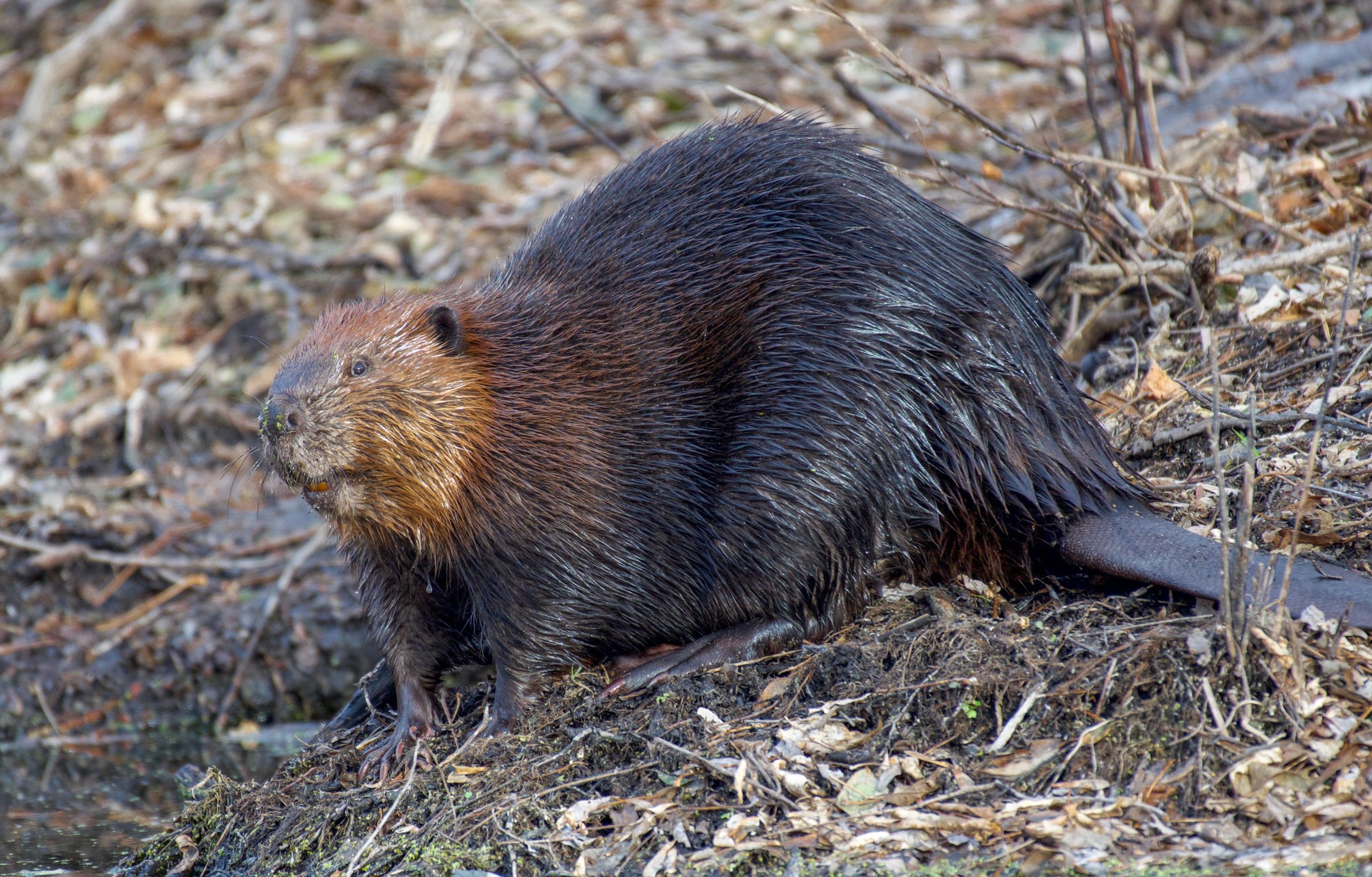
Is it possible to have seen an extinct Giant Beaver? Didn’t know if it’s classified as cryptid.
- 0
- 424 words
Could You Have Encountered an Extinct Giant Beaver? Exploring a Mysterious Sightning Throughout history, sightings of unusual or elusive creatures often spark...
Read out all
Do you think creatures like the Kappa from Japanese folklore could have been based on real encounters? 😁
- 0
- 310 words
Exploring the Origins of Legendary Creatures: Could the Kappa of Japanese Folklore Be Based on Real Encounters? Throughout history, folklore has served...
Read out all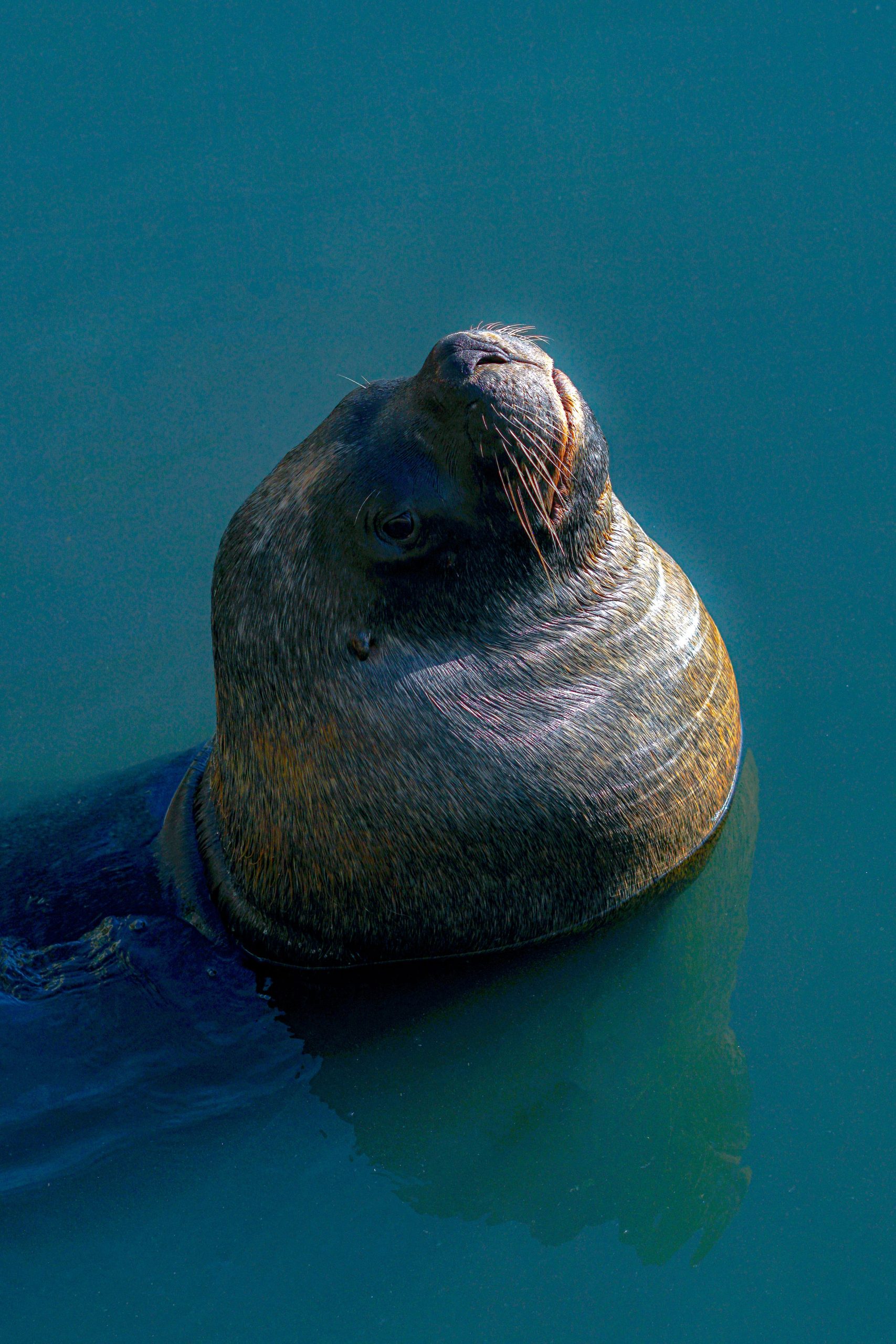
Alleged Steller’s Sea Cow photographed in Norway, 1987
- 0
- 523 words
Exploring the 1987 Photograph Allegedly Depicting a Steller’s Sea Cow in Norway In the realm of cryptozoology and maritime folklore, few images...
Read out all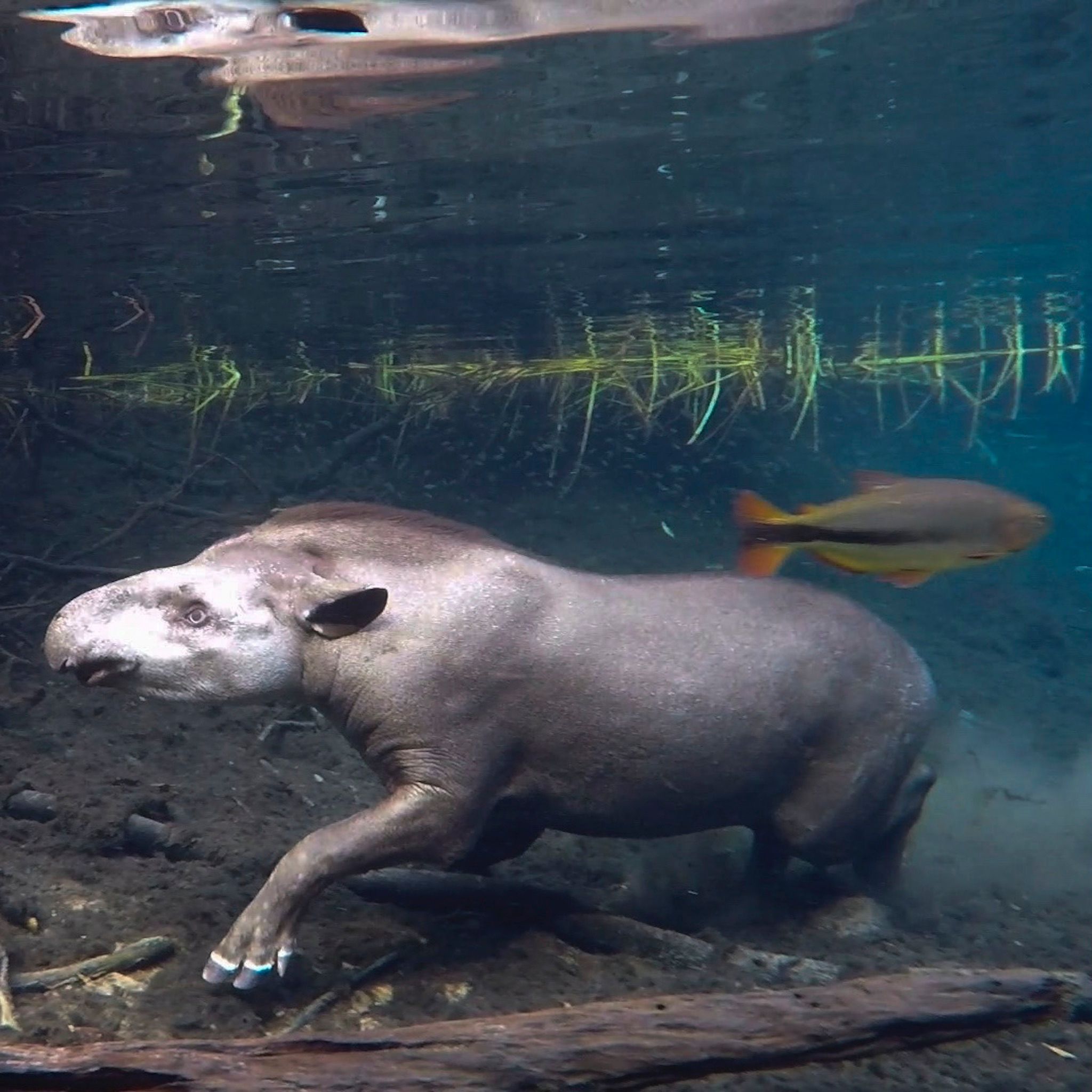
Excluding animals that are now known to exist, what are your favorite “normal looking” cryptids?
- 0
- 465 words
Exploring the Fascination with “Normal-Looking” Cryptids: Fascinating Variations of Known Animals Cryptids—mysterious creatures believed to exist outside the realm of verified science—have...
Read out all