
- 0
- 293 words
The Possibility of Giant City Rats: Exploring the Myth of “Super Rats”
In urban folklore and popular culture, tales of enormous rats—often referred to as “Super Rats” or “Giant City Rats”—have captured the imagination of many. These creatures, purportedly the size of cats or small dogs lurking beneath city streets, spark curiosity about their existence and the factors that could contribute to their potential growth.
Cities like New York, Philadelphia, Boston, Toronto, and Chicago host millions of rats that have adapted remarkably well to urban environments. Their resilience and adaptability raise intriguing questions about whether a small percentage of these rodents could grow significantly larger than their typical size.
Notably, the Gambian Pouched rat holds the record as the largest rat in the world, measuring approximately 35 inches in length and weighing around 9 pounds. Given this fact, it is conceivable that rats of comparable or even larger size could exist in underground urban habitats, remaining hidden from the casual observer.
Rats are exceptionally well-equipped for survival in bustling cityscapes. Their ability to go unnoticed, combined with their omnivorous and opportunistic feeding habits, makes them formidable survivors. Observations of rats exhibiting predatory behaviors—such as catching bats or pigeons—demonstrate their versatility as predators and scavengers. Additionally, some rat populations have demonstrated resistance to common poisons, further emphasizing their resilience.
While the notion of giant rats may border on the fantastical, the existence of unusually large specimens in urban settings cannot be entirely dismissed. Their adaptability, resilience, and the occasional sightings or discoveries of larger-than-average rats keep the debate alive among enthusiasts and skeptics alike. Whether viewed as urban legends or possible cryptids, the idea of giant city rats continues to fascinate and spark discussion about the hidden, thriving ecosystems beneath our cities.
Author

Related posts

Is anyone else tired of all the creepypasta characters and Skinwalkers being brought up constantly in the comments?
- 0
- 296 words
Addressing the Overrepresentation of Creepypasta and Mythical Entities in Online Discussions In the realm of online cryptozoology communities, engaging conversations often revolve...
Read out all
Is the Bodette Film completely wiped out from the internet?
- 0
- 322 words
The Mystery of the Bodette Film: Is It Truly Wiped from the Internet? The internet is a vast and constantly evolving landscape,...
Read out all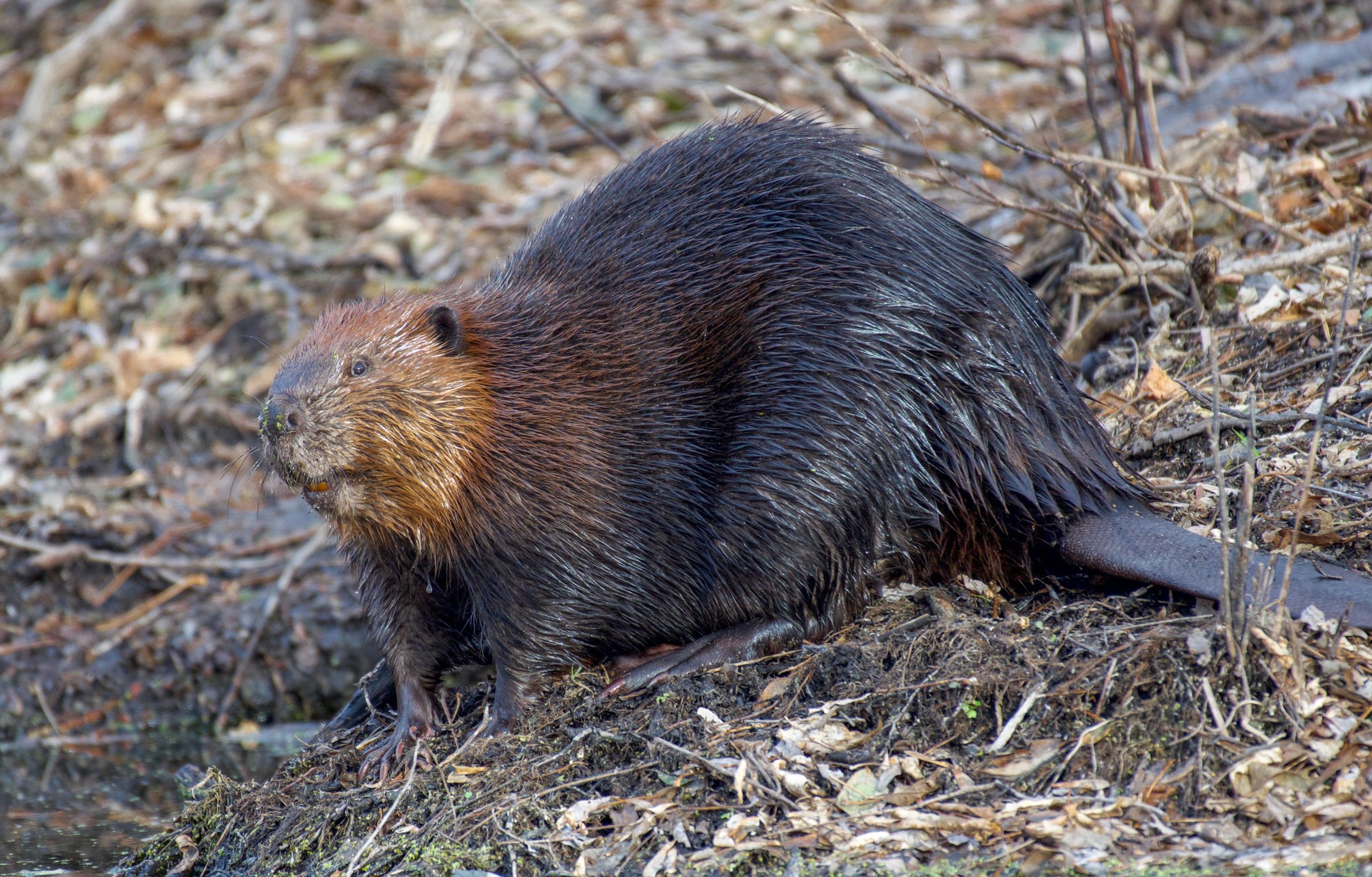
Is it possible to have seen an extinct Giant Beaver? Didn’t know if it’s classified as cryptid.
- 0
- 424 words
Could You Have Encountered an Extinct Giant Beaver? Exploring a Mysterious Sightning Throughout history, sightings of unusual or elusive creatures often spark...
Read out all
Do you think creatures like the Kappa from Japanese folklore could have been based on real encounters? 😁
- 0
- 310 words
Exploring the Origins of Legendary Creatures: Could the Kappa of Japanese Folklore Be Based on Real Encounters? Throughout history, folklore has served...
Read out all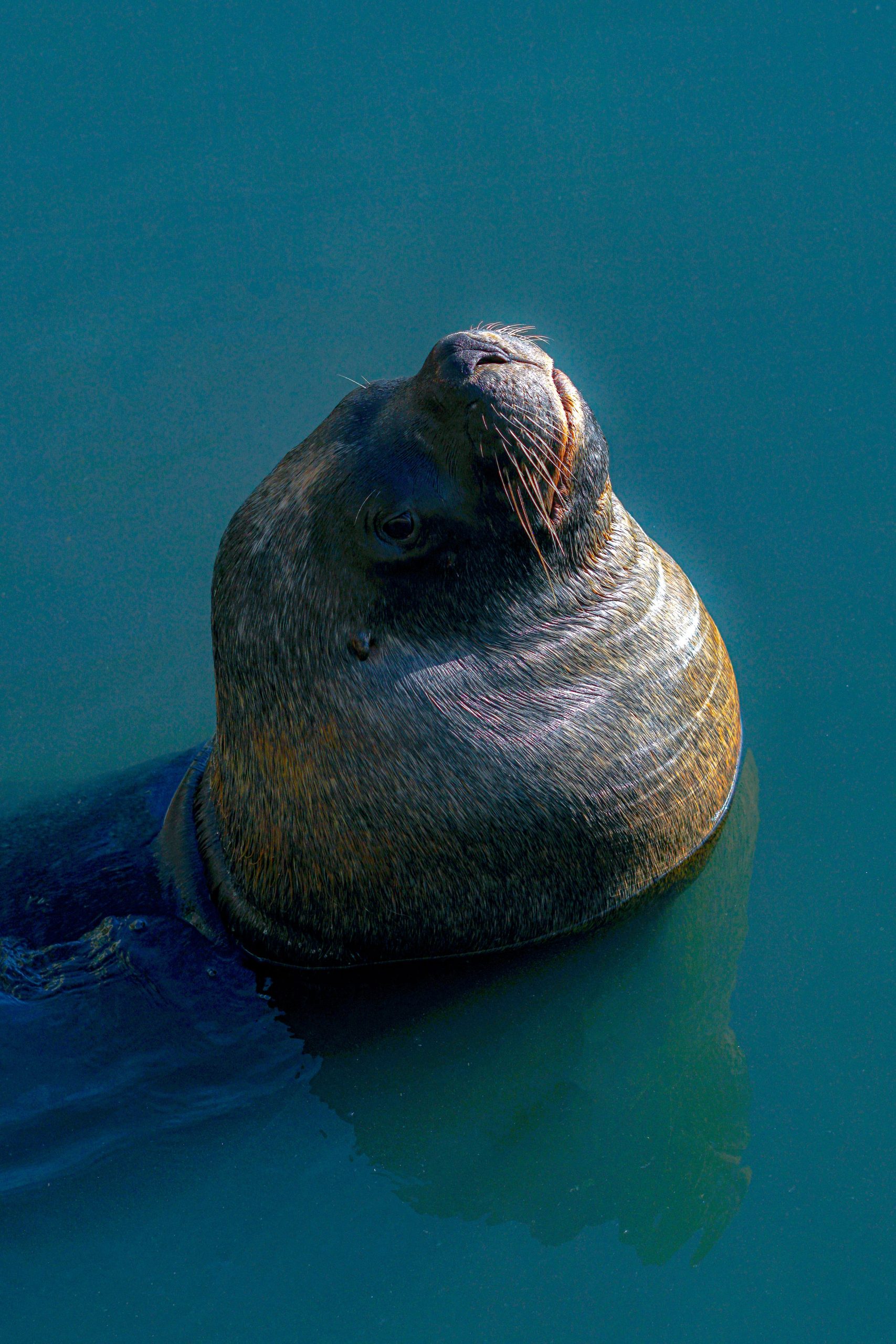
Alleged Steller’s Sea Cow photographed in Norway, 1987
- 0
- 523 words
Exploring the 1987 Photograph Allegedly Depicting a Steller’s Sea Cow in Norway In the realm of cryptozoology and maritime folklore, few images...
Read out all
Excluding animals that are now known to exist, what are your favorite “normal looking” cryptids?
- 0
- 465 words
Exploring the Fascination with “Normal-Looking” Cryptids: Fascinating Variations of Known Animals Cryptids—mysterious creatures believed to exist outside the realm of verified science—have...
Read out all