
- 0
- 364 words
Examining the Authenticity of Controversial Cryptid Photographs: A Closer Look at the Skunk Ape Evidence
Cryptid sightings often ignite curiosity and debate within the community of enthusiasts and skeptics alike. Among these, the case of the Skunk Ape—an elusive creature purported to inhabit regions of the southeastern United States—has garnered particular attention due to photographic evidence that some believe supports its existence.
One noteworthy aspect of these photographs is that they were taken by a woman who subsequently filed an official police report. Importantly, she did not seek media attention or public acclaim by sharing the images, which lends a sense of authenticity to her account. In her report, she described the creature as an orangutan, which raises interesting questions about the motivations behind the report and the interpretation of the photos.
The nature of her description prompts reflection on whether the images could be fabricated or misinterpreted. If someone were orchestrating a hoax, why would they claim the creature is an animal already well-documented, like an orangutan? This choice of description could suggest that the witness genuinely believed she saw something unfamiliar rather than intentionally trying to deceive. Additionally, her age and background—being a senior citizen—make it less likely that she would be involved in elaborate hoaxes targeting cryptid phenomena.
Further analysis of the photographs indicates that the facial expressions of the creature resemble those of modern apes when they exhibit nervousness or stress, adding another layer to consider in evaluating their credibility. Some commenters and researchers have noted these facial cues could point to the creature’s animalistic nature and perhaps support the authenticity of the sighting.
Despite the intriguing elements surrounding these photographs, official confirmation or definitive debunking remains elusive. The absence of explicit refutations or conclusive evidence leaves the question open: are these images genuine, or do they represent a misidentification or fabrication? As with many cryptid investigations, without conclusive evidence, skepticism and curiosity continue to coexist.
The ongoing discussion about these images underscores the importance of critical evaluation and open-minded inquiry in cryptozoology. While definitive proofs may be lacking, such cases fuel the enduring fascination with unknown creatures lurking on the fringes of our understanding.
Author

Related posts

Is anyone else tired of all the creepypasta characters and Skinwalkers being brought up constantly in the comments?
- 0
- 296 words
Addressing the Overrepresentation of Creepypasta and Mythical Entities in Online Discussions In the realm of online cryptozoology communities, engaging conversations often revolve...
Read out all
Is the Bodette Film completely wiped out from the internet?
- 0
- 322 words
The Mystery of the Bodette Film: Is It Truly Wiped from the Internet? The internet is a vast and constantly evolving landscape,...
Read out all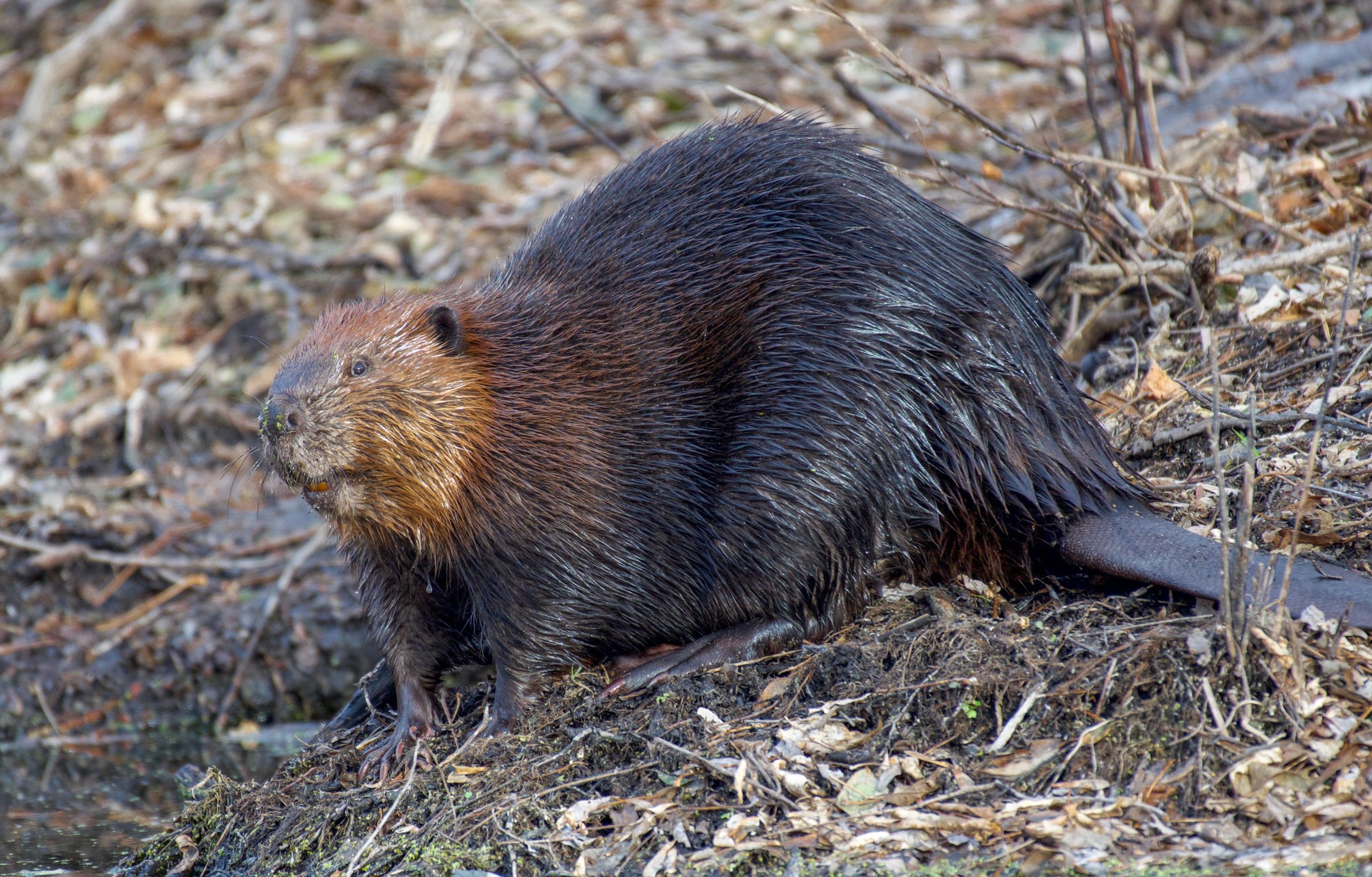
Is it possible to have seen an extinct Giant Beaver? Didn’t know if it’s classified as cryptid.
- 0
- 424 words
Could You Have Encountered an Extinct Giant Beaver? Exploring a Mysterious Sightning Throughout history, sightings of unusual or elusive creatures often spark...
Read out all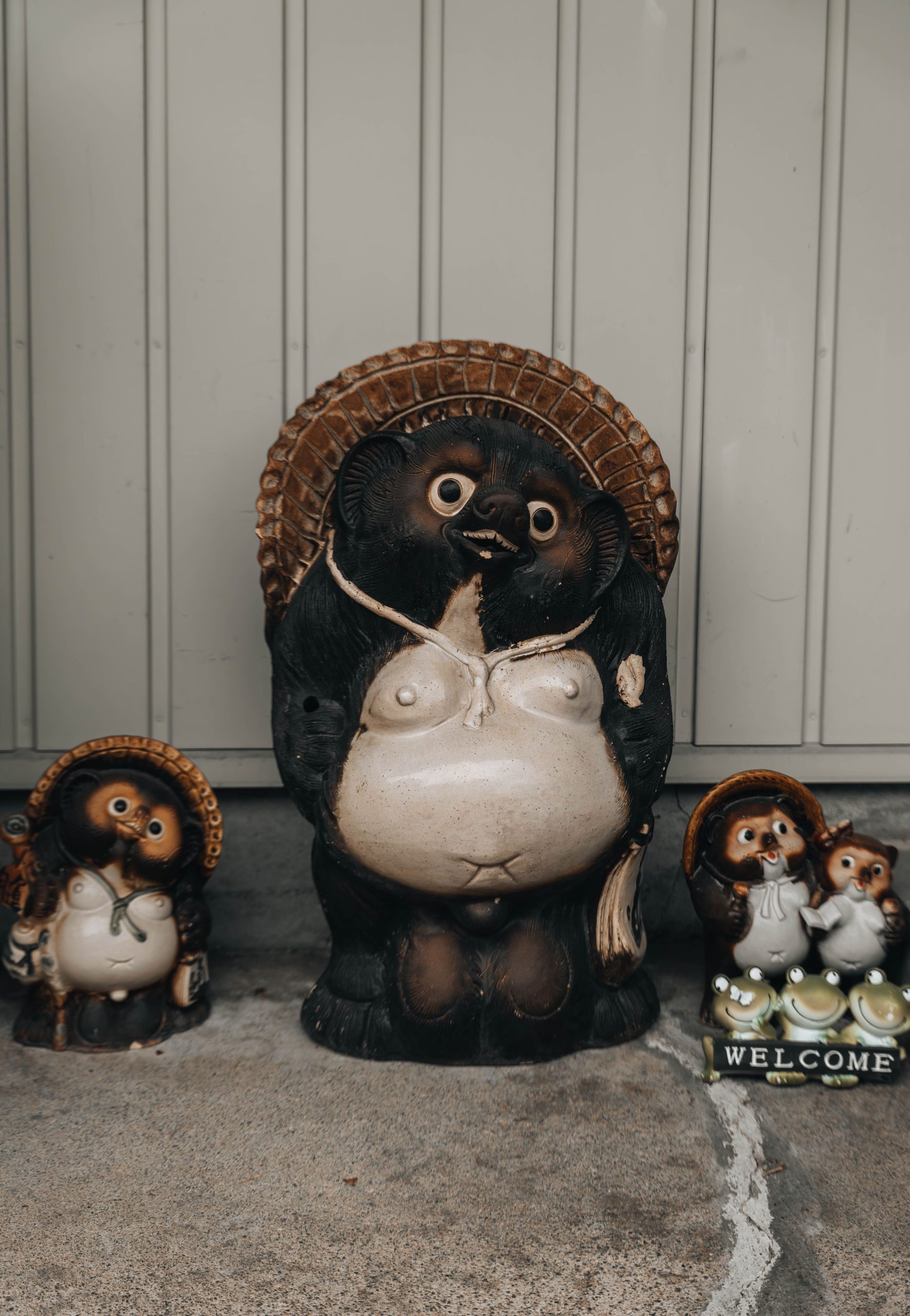
Do you think creatures like the Kappa from Japanese folklore could have been based on real encounters? 😁
- 0
- 310 words
Exploring the Origins of Legendary Creatures: Could the Kappa of Japanese Folklore Be Based on Real Encounters? Throughout history, folklore has served...
Read out all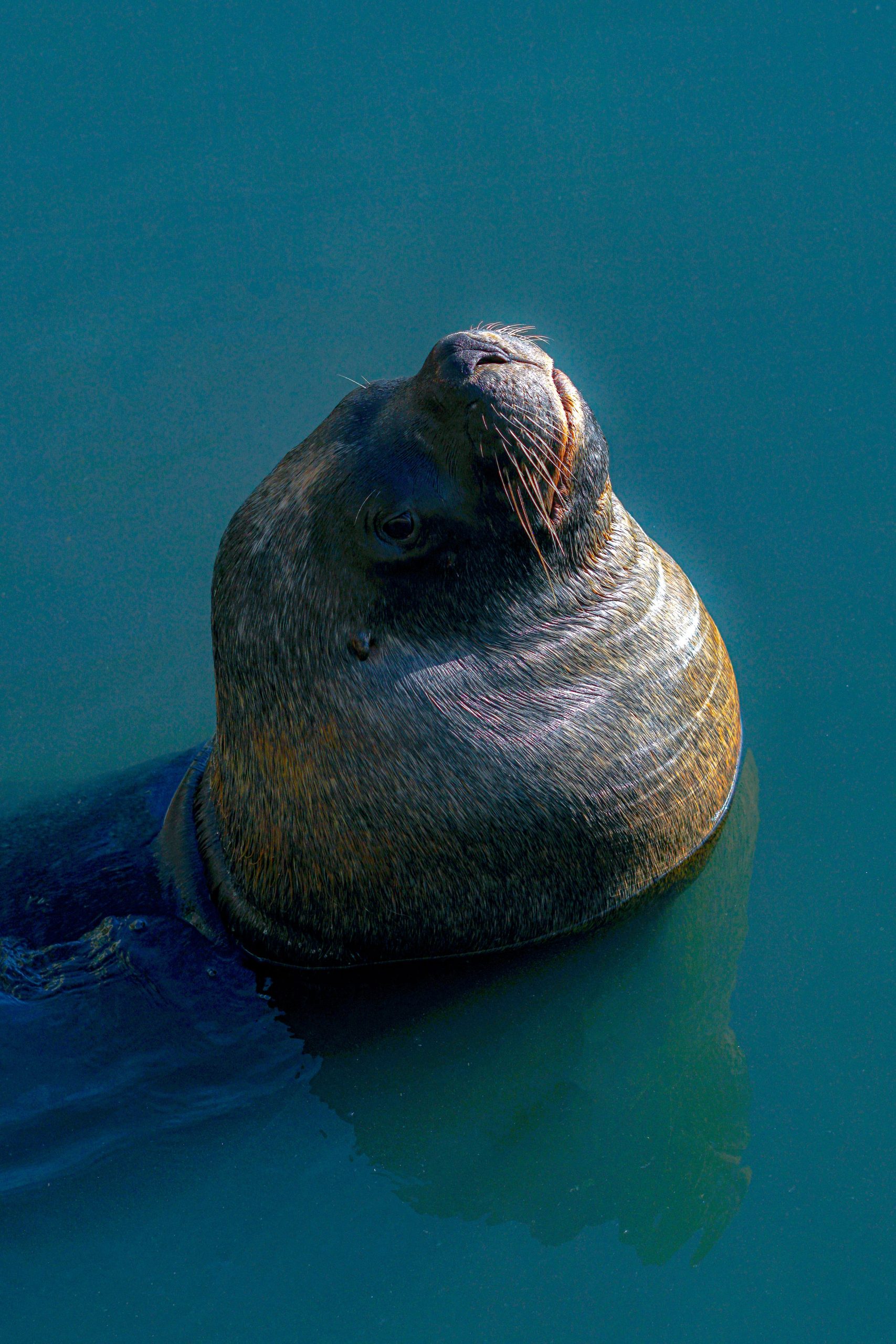
Alleged Steller’s Sea Cow photographed in Norway, 1987
- 0
- 523 words
Exploring the 1987 Photograph Allegedly Depicting a Steller’s Sea Cow in Norway In the realm of cryptozoology and maritime folklore, few images...
Read out all
Excluding animals that are now known to exist, what are your favorite “normal looking” cryptids?
- 0
- 465 words
Exploring the Fascination with “Normal-Looking” Cryptids: Fascinating Variations of Known Animals Cryptids—mysterious creatures believed to exist outside the realm of verified science—have...
Read out all