- 0
- 523 words
Exploring the 1987 Photograph Allegedly Depicting a Steller’s Sea Cow in Norway
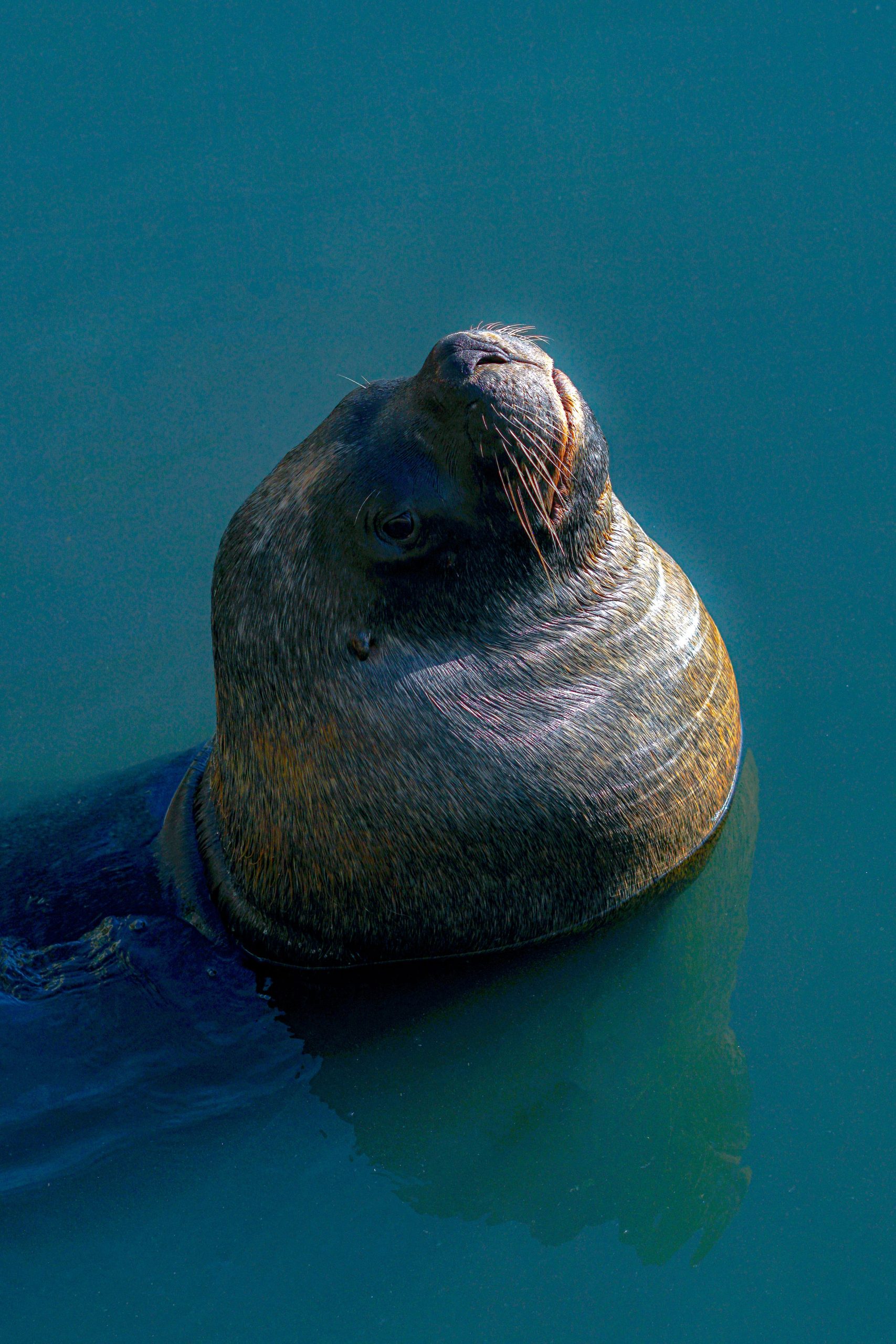
In the realm of cryptozoology and maritime folklore, few images spark as much curiosity as photographs purportedly capturing relict species thought long extinct. One such intriguing image is a photograph taken off the western coast of Norway in 1987, which some have associated with the legendary Steller’s sea cow (Hydrodamalis gigas). Although the caption accompanying the image identifies the creature as a seal, the photograph’s context and surrounding references have led some enthusiasts to speculate about its true nature.
The photograph in question is featured in Michel Meurger and Claude Cagnon’s publication Lake Monster Traditions, where it is presented alongside a brief description. According to the caption, the image shows a creature called the “Sjœku” or “sea-cow,” observed in 1987 near the Norweigian coast, an area where local folklore suggests the belief in such mythical marine beings persists. The image was taken by Roger Engvik and originally appeared in Sunmœrposten on August 14, 1987. The photograph is attributed to Engvik, and the caption emphasizes the regional cultural context in which such sightings are reported.
However, the details surrounding this photograph introduce some inconsistencies. The initial caption places the sighting in 1987, but a later account from the 1960s mentions a similar sighting near Vigra, close to Hareidland. In this earlier report, the unidentified sea-mammal’s head was also photographed by Roger Engvik, who noted that locals referred to the creature as “sjøku,” translating to “sea-cow.” Interestingly, this earlier description mentions that from a distance, the creature’s head could be mistaken for that of a merman, adding an element of folklore and local myth to the phenomenon.
The confusion between dates and descriptions raises questions about the authenticity and continuity of these sightings. The 1960 account’s mention of the “sjøku” predates the 1987 photograph, yet both reports feature the same observer, Roger Engvik, suggesting they could be related or perhaps different interpretations of similar sightings.
While the photograph itself appears to depict a seal or another known marine animal, the cultural and mythological significance attached to these reports reflects the enduring human fascination with unknown or mysterious marine life. The mention of a “relict Sea Cow” aligns with stories of surviving populations of the extinct Steller’s sea cow, which was hunted to extinction in the 18th century. Despite no verified sightings in modern times, such reports continue to fuel speculation and curiosity.
In summary, this photograph and its associated stories exemplify how folklore, local traditions, and ambiguous sightings intersect in maritime culture. Whether the image truly captures a relic population or simply a known marine mammal remains a matter of interpretation. Still, the enduring intrigue underscores the persistent human desire to find signs of the world’s lost or hidden species beneath the waves.
For those interested in the cultural and historical contexts of these sightings, further research into regional maritime folklore and historical reports may shed more light on the stories surrounding the “sea-cow” in Norway. As always, enquirers should approach such accounts with both curiosity and scientific skepticism, appreciating their value in the tapestry of maritime legend.
Author

Related posts

Is anyone else tired of all the creepypasta characters and Skinwalkers being brought up constantly in the comments?
- 0
- 296 words
Addressing the Overrepresentation of Creepypasta and Mythical Entities in Online Discussions In the realm of online cryptozoology communities, engaging conversations often revolve...
Read out all
Is the Bodette Film completely wiped out from the internet?
- 0
- 322 words
The Mystery of the Bodette Film: Is It Truly Wiped from the Internet? The internet is a vast and constantly evolving landscape,...
Read out all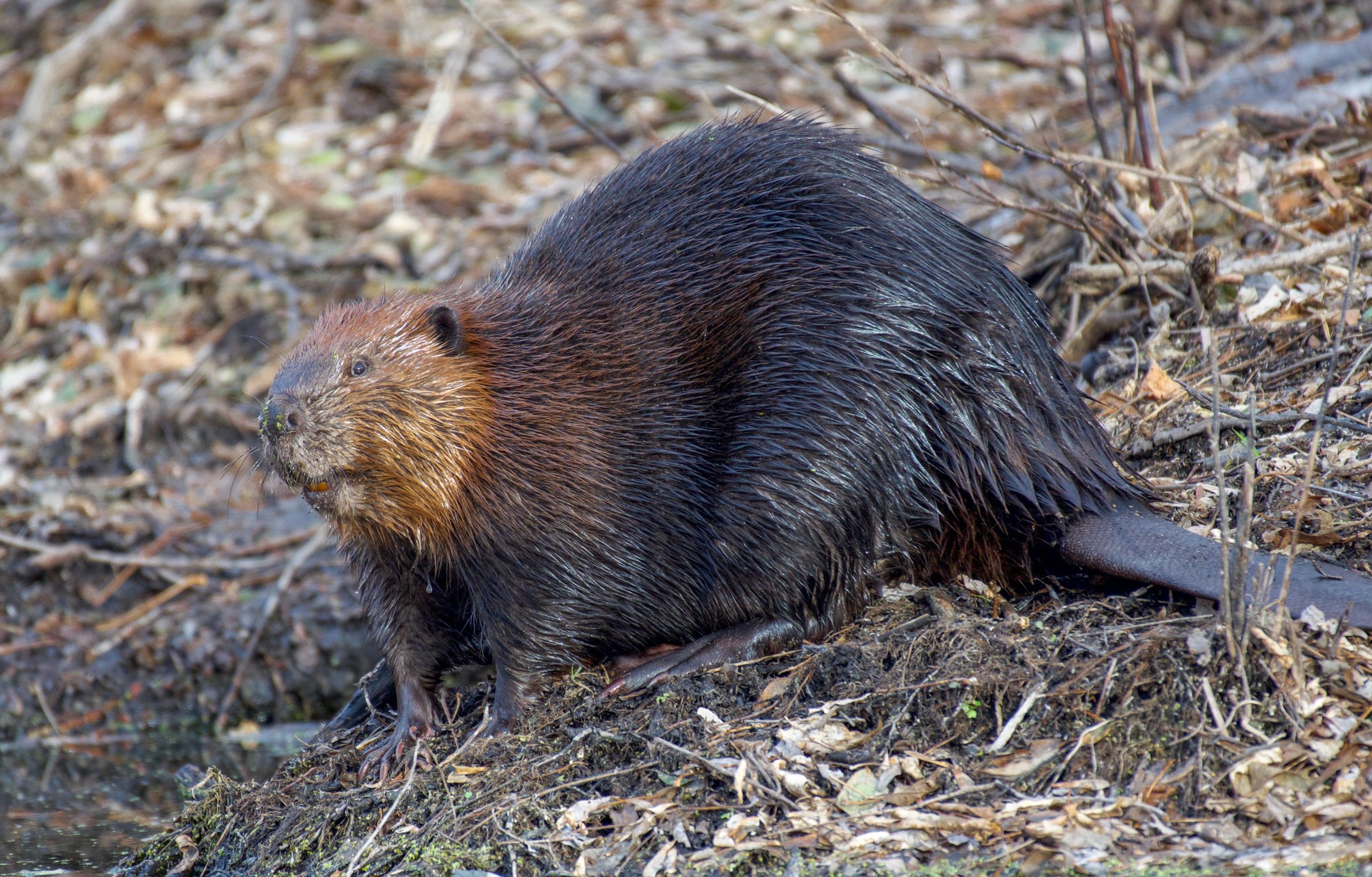
Is it possible to have seen an extinct Giant Beaver? Didn’t know if it’s classified as cryptid.
- 0
- 424 words
Could You Have Encountered an Extinct Giant Beaver? Exploring a Mysterious Sightning Throughout history, sightings of unusual or elusive creatures often spark...
Read out all
Do you think creatures like the Kappa from Japanese folklore could have been based on real encounters? 😁
- 0
- 310 words
Exploring the Origins of Legendary Creatures: Could the Kappa of Japanese Folklore Be Based on Real Encounters? Throughout history, folklore has served...
Read out all
Excluding animals that are now known to exist, what are your favorite “normal looking” cryptids?
- 0
- 465 words
Exploring the Fascination with “Normal-Looking” Cryptids: Fascinating Variations of Known Animals Cryptids—mysterious creatures believed to exist outside the realm of verified science—have...
Read out all
More candidates for the lost thunderbird photo
- 0
- 178 words
Exploring New Leads on the Mysterious Thunderbird Photograph The search for the elusive thunderbird photograph has yielded additional potential leads, prompting a...
Read out all