- 0
- 461 words
Exploring the Possibility of Surviving Megalonyx Jeffersonii in Arkansas Forests
The dense and expansive forests of Arkansas have long been a wildlife haven, home to various species and legends that intrigue both locals and visitors alike. Among these intriguing tales is the story of the Fouke Monster—a creature resembling a Bigfoot-like cryptid that was reportedly sighted in the early 1970s in the rural town of Fouke and the surrounding areas of Miller County.
Descriptions of the Fouke Monster characterize it as a large, bipedal creature covered in long, dark hair, with eyewitness accounts estimating its height between 7 and 10 feet (2 to 3 meters) and its weight ranging from roughly 250 to 800 pounds (110 to 360 kilograms). Reports additionally describe a distinct, foul odor likened to that of the Mapinguari, a Brazilian cryptid associated with similar olfactory characteristics, often described as a mixture of skunk and wet dog.
Unlike typical ape-like creatures, the Fouke Monster is said to possess claws and three-toed footprints measuring up to 17 inches (43 centimeters) in length and 7 inches (18 centimeters) wide, adding to its mysterious allure.
Given these descriptions and the mystery surrounding the creature’s origins, some researchers and enthusiasts have proposed alternative hypotheses regarding its true nature. One compelling theory suggests that the Fouke Monster might be a surviving population of Megalonyx jeffersonii, a species of giant ground sloth that once roamed North America.
Several reasons support this possibility:
-
Fossil Evidence in Arkansas: Fossil remains of Megalonyx jeffersonii have been discovered within the state, indicating historical presence in the region.
-
Physical Characteristics: Megalonyx jeffersonii could stand and walk upright on two legs, similar to human descriptions of the Fouke Monster. Estimated heights for this species reach up to 10 feet (3 meters).
-
Appearance and Footprints: The species had three-toed feet with claws, aligning with reports of three-toed footprints bearing substantial size. Its bulky physique and height could easily be mistaken for a cryptid creature by untrained observers.
-
Odor Comparison: While there is no direct evidence that Megalonyx jeffersonii emitted the foul odor described, the Brazilian cryptid Mapinguari, which is considered a ground cryptid, is also said to possess a terrible smell, drawing an interesting parallel.
Considering Arkansas’s vast forests—comprising approximately 57% of the state’s 19 million acres—there are extensive, remote wilderness areas that could potentially harbor elusive and undiscovered creatures. The ecological diversity and size of these forests make them plausible habitats for relic populations of extinct species, such as Megalonyx jeffersonii.
While definitive evidence is lacking, the combination of fossil findings, physical characteristics, and environmental factors invites curiosity and further exploration. Could a small, surviving population of Megalonyx jeffersonii still exist in Arkansas’s remote wilderness? The intriguing possibility remains, beckoning researchers and cryptid enthusiasts to consider the depths of these ancient forests and the secrets they may still hold.
Author

Related posts

Is anyone else tired of all the creepypasta characters and Skinwalkers being brought up constantly in the comments?
- 0
- 296 words
Addressing the Overrepresentation of Creepypasta and Mythical Entities in Online Discussions In the realm of online cryptozoology communities, engaging conversations often revolve...
Read out all
Is the Bodette Film completely wiped out from the internet?
- 0
- 322 words
The Mystery of the Bodette Film: Is It Truly Wiped from the Internet? The internet is a vast and constantly evolving landscape,...
Read out all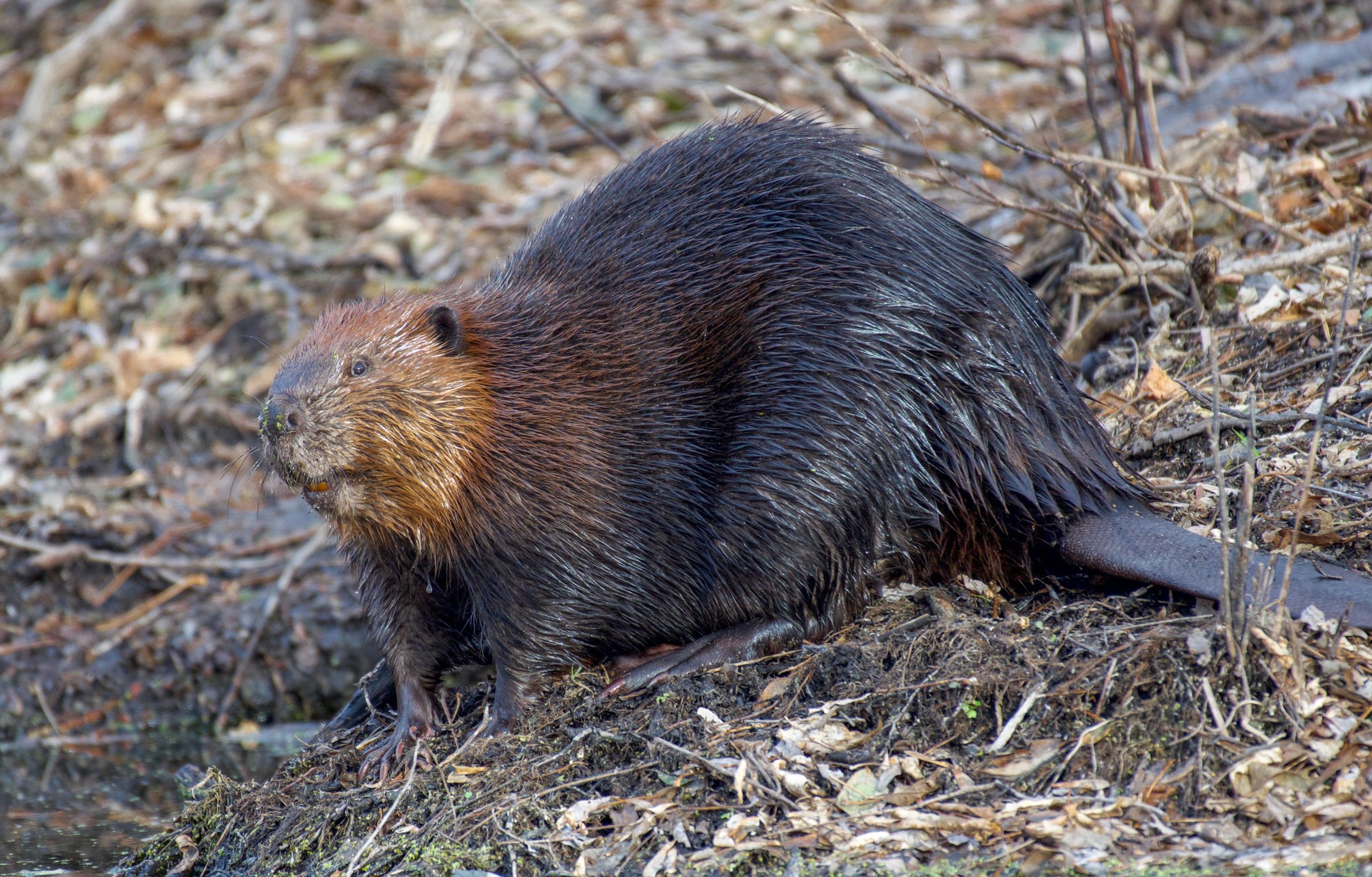
Is it possible to have seen an extinct Giant Beaver? Didn’t know if it’s classified as cryptid.
- 0
- 424 words
Could You Have Encountered an Extinct Giant Beaver? Exploring a Mysterious Sightning Throughout history, sightings of unusual or elusive creatures often spark...
Read out all
Do you think creatures like the Kappa from Japanese folklore could have been based on real encounters? 😁
- 0
- 310 words
Exploring the Origins of Legendary Creatures: Could the Kappa of Japanese Folklore Be Based on Real Encounters? Throughout history, folklore has served...
Read out all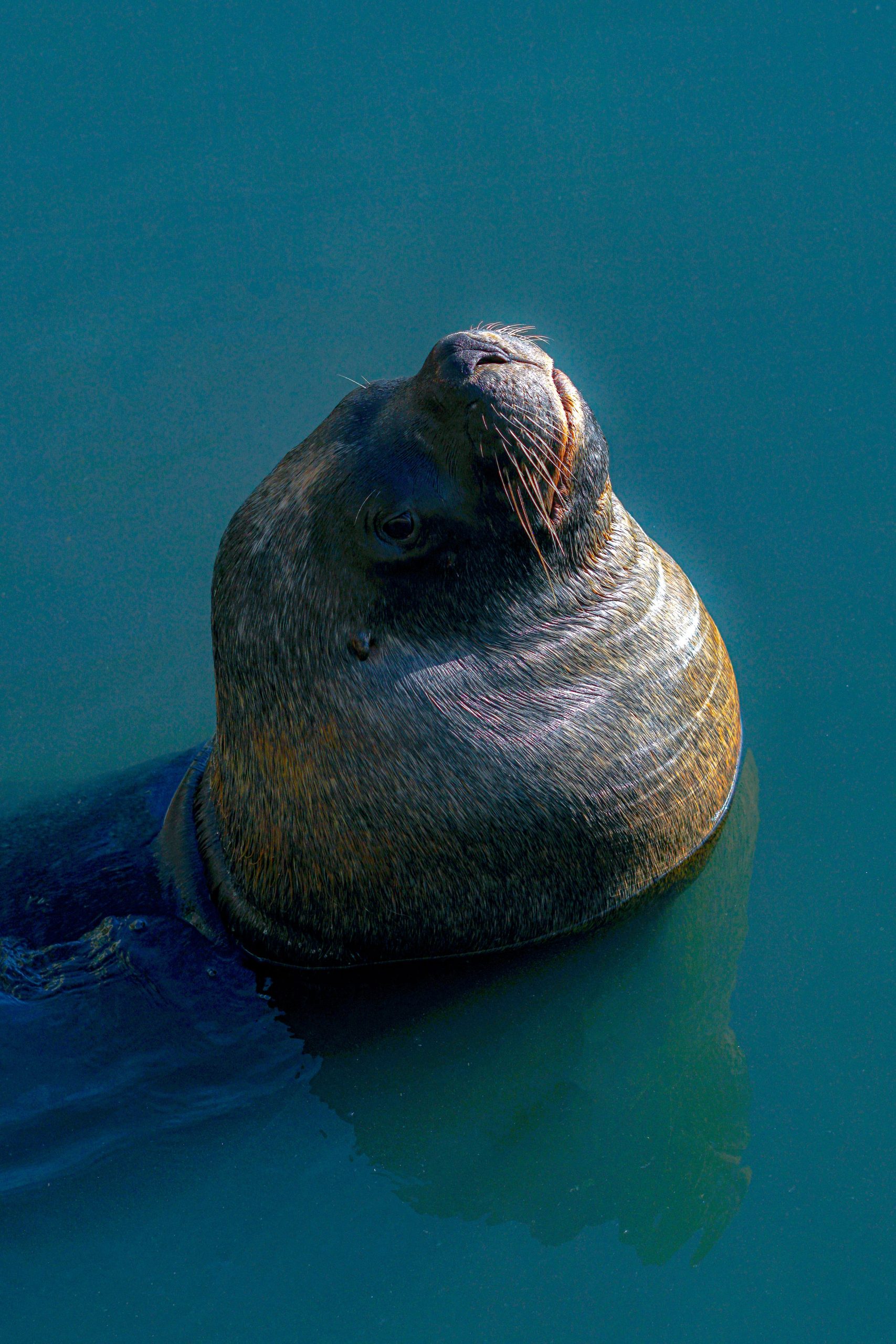
Alleged Steller’s Sea Cow photographed in Norway, 1987
- 0
- 523 words
Exploring the 1987 Photograph Allegedly Depicting a Steller’s Sea Cow in Norway In the realm of cryptozoology and maritime folklore, few images...
Read out all
Excluding animals that are now known to exist, what are your favorite “normal looking” cryptids?
- 0
- 465 words
Exploring the Fascination with “Normal-Looking” Cryptids: Fascinating Variations of Known Animals Cryptids—mysterious creatures believed to exist outside the realm of verified science—have...
Read out all