- 0
- 390 words
Exploring the Enigmatic Giant Congo Snake
The extraordinary tales of massive serpents have long captivated human imagination, and recent discoveries continue to fuel these fascinating stories. A notable example is the reported sighting and measurement of a colossal snake in the Congo region.
Historical Evidence and Measurements
A photograph taken in 1959 provides intriguing insights into the size of this serpent. The straight-line distance between the snake’s head and tail measures approximately 36 meters (about 118 feet). When considering the snake’s natural curvature, extending the measurement from the tip of the tail to the head yields an estimated length of around 40 meters (approximately 131 feet). This suggests that the snake’s actual length exceeds 130 feet, marking it as one of the longest serpents purportedly documented.
Furthermore, estimations based on comparisons to local termite mounds have proposed lengths approaching 200 feet, underscoring the enormous scale of this creature. Given the era when the photograph was taken, and the lack of advanced technology for digital manipulation at that time, the authenticity of this evidence lends credibility to the existence of such a mighty serpent.
Contemporary Discoveries and Comparisons
Recent paleontological findings have introduced the Vasuki Indicus, the largest snake fossil discovered in Gujarat, India. This terrestrial snake, measuring up to 50 feet in length and weighing approximately a ton, offers a glimpse into the historical diversity of giant serpents. Interestingly, the Vasuki Indicus was a land-dwelling species, contrasting with more aquatic giants like the mythical or legendary snakes of the Congo.
Comparison with Legendary Creatures
While the Vasuki Indicus stands as a significant fossil discovery, it remains dwarfed by stories of the N’Longo—the colossal snake reputed to inhabit Congo’s waterways. The size estimates for the N’Longo challenge our understanding of natural limits and fuel speculation about the existence of such enormous serpents in recent and prehistoric times.
Location Coordinates
For those interested in exploring further, the location associated with this remarkable sighting is approximately at 8°36’34″S, 25°17’11″E.
Conclusion
The enduring fascination with giant snakes like the N’Longo persists, blending historical evidence, fossil discoveries, and local legends. While some may approach these stories with skepticism, the physical evidence from the past suggests that such enormous creatures once roamed the Earth and may still exist in remote regions. Continued exploration and scientific inquiry are essential to uncovering the truths behind these captivating tales.
Author

Related posts

Is anyone else tired of all the creepypasta characters and Skinwalkers being brought up constantly in the comments?
- 0
- 296 words
Addressing the Overrepresentation of Creepypasta and Mythical Entities in Online Discussions In the realm of online cryptozoology communities, engaging conversations often revolve...
Read out all
Is the Bodette Film completely wiped out from the internet?
- 0
- 322 words
The Mystery of the Bodette Film: Is It Truly Wiped from the Internet? The internet is a vast and constantly evolving landscape,...
Read out all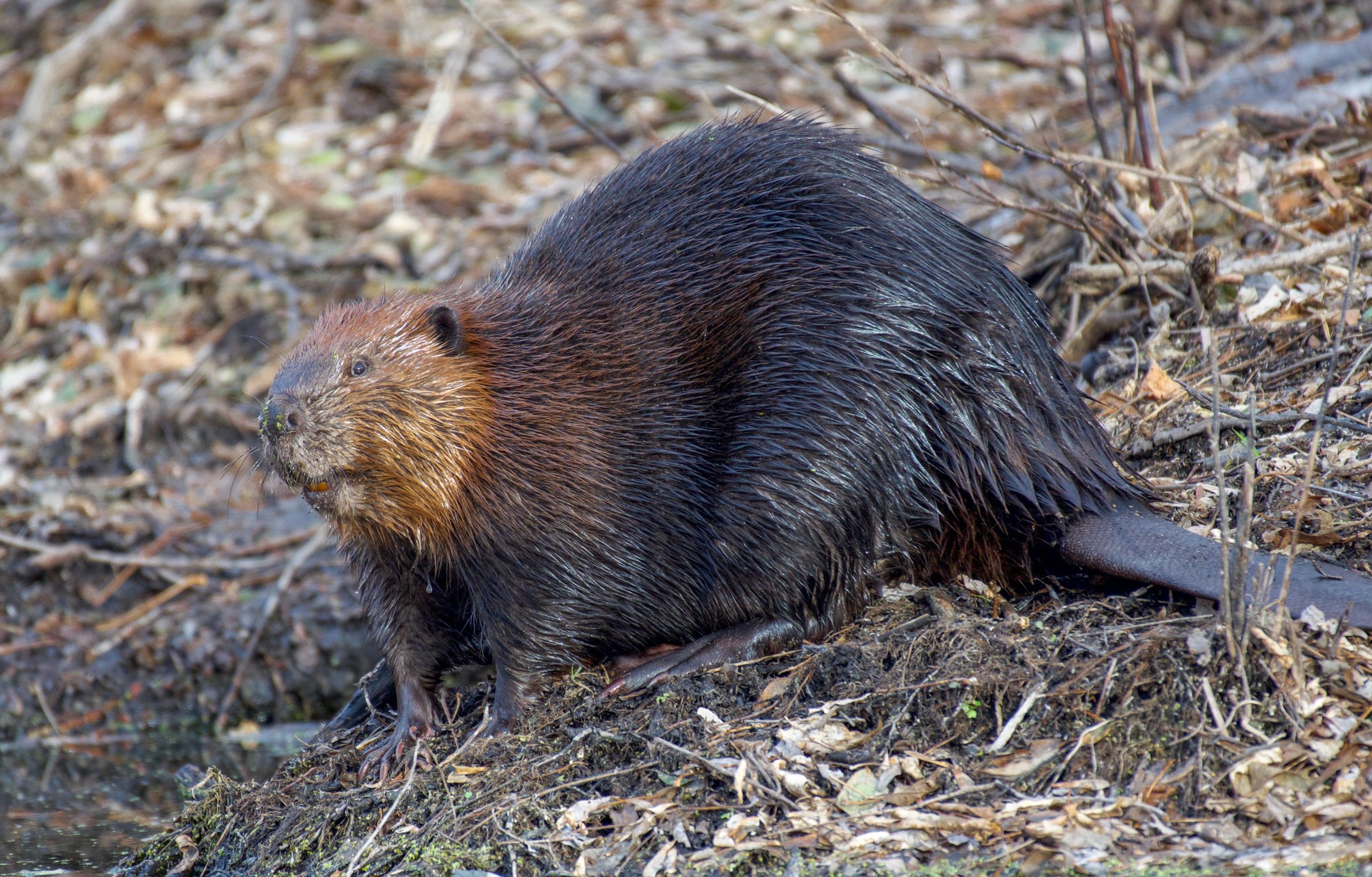
Is it possible to have seen an extinct Giant Beaver? Didn’t know if it’s classified as cryptid.
- 0
- 424 words
Could You Have Encountered an Extinct Giant Beaver? Exploring a Mysterious Sightning Throughout history, sightings of unusual or elusive creatures often spark...
Read out all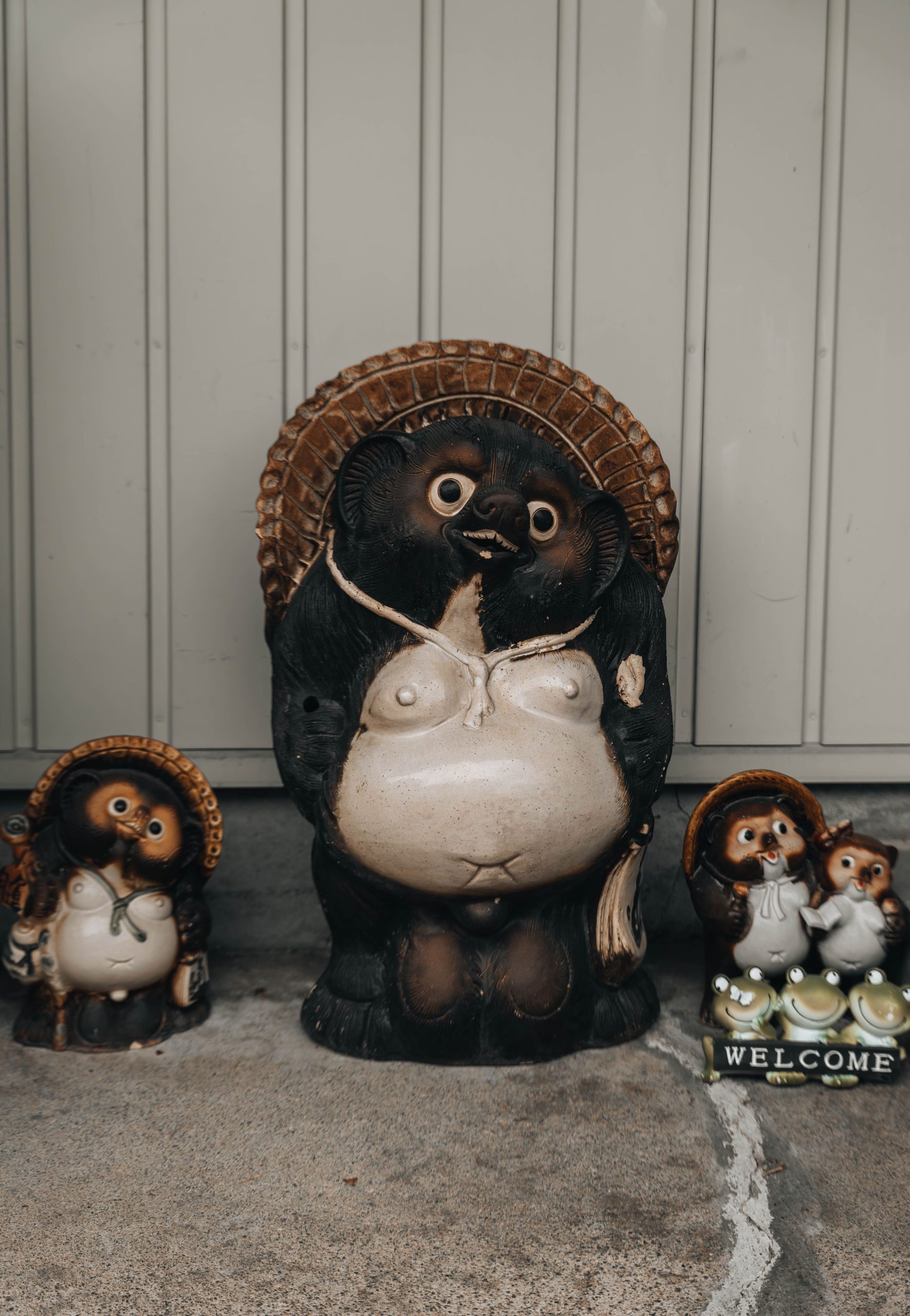
Do you think creatures like the Kappa from Japanese folklore could have been based on real encounters? 😁
- 0
- 310 words
Exploring the Origins of Legendary Creatures: Could the Kappa of Japanese Folklore Be Based on Real Encounters? Throughout history, folklore has served...
Read out all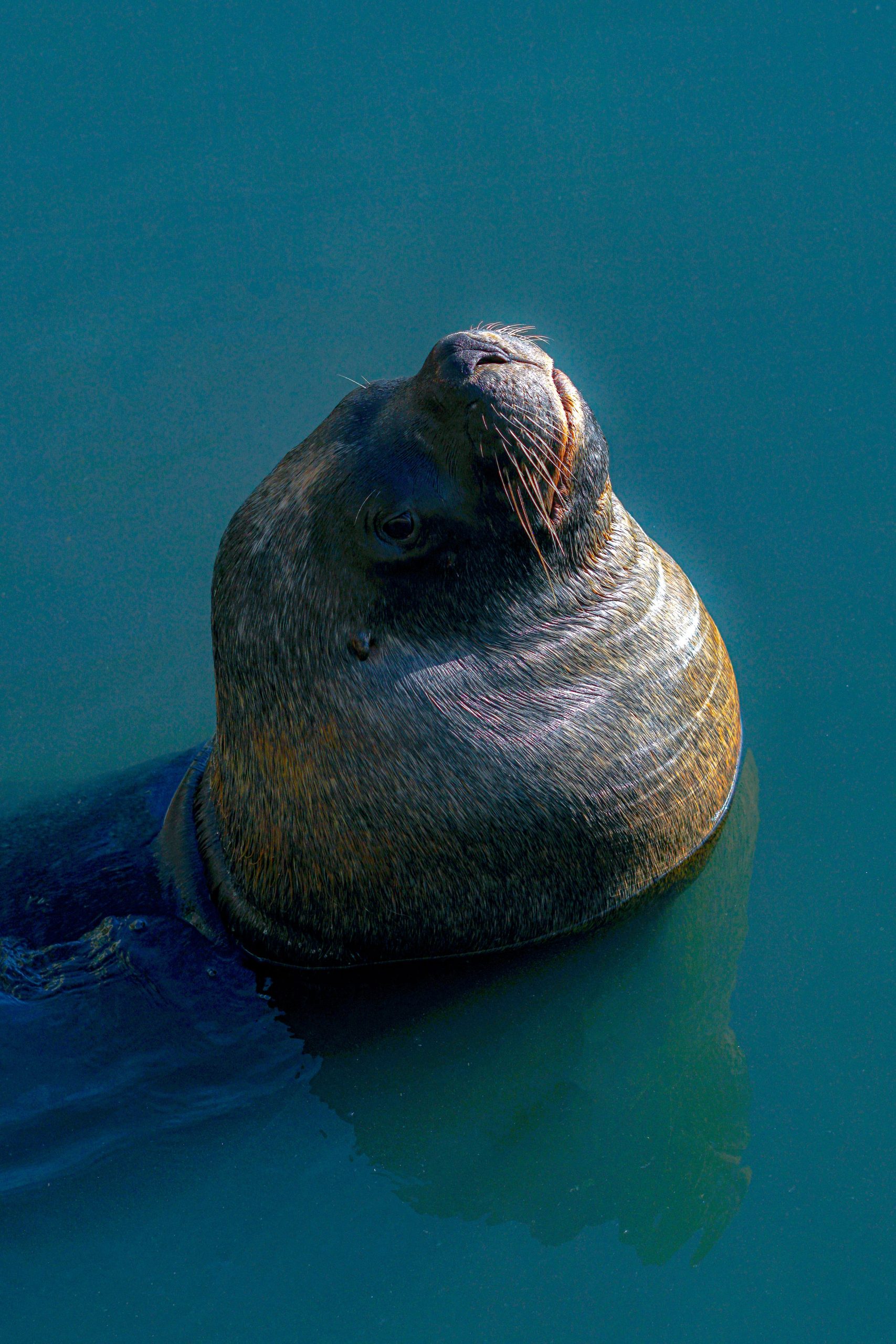
Alleged Steller’s Sea Cow photographed in Norway, 1987
- 0
- 523 words
Exploring the 1987 Photograph Allegedly Depicting a Steller’s Sea Cow in Norway In the realm of cryptozoology and maritime folklore, few images...
Read out all
Excluding animals that are now known to exist, what are your favorite “normal looking” cryptids?
- 0
- 465 words
Exploring the Fascination with “Normal-Looking” Cryptids: Fascinating Variations of Known Animals Cryptids—mysterious creatures believed to exist outside the realm of verified science—have...
Read out all