- 0
- 326 words
Analyzing the Authenticity of the Last Known Wild Barbary Lion Photo
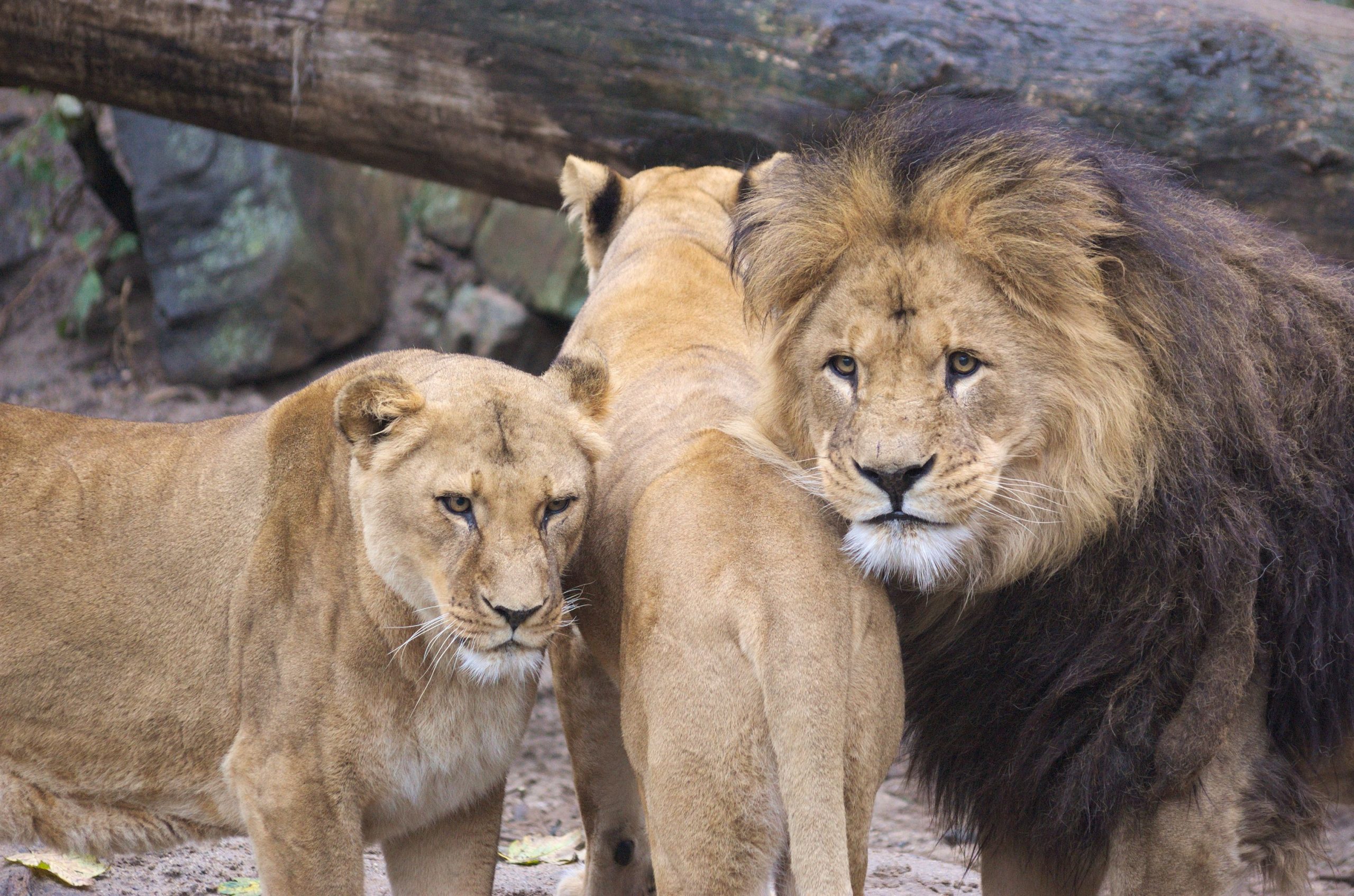
The legendary Barbary lion, once roaming the forests and mountains of North Africa, is considered extinct in the wild. Recently, a photograph purportedly depicting the last known wild Barbary lion has sparked considerable debate among experts and enthusiasts alike. This article examines the claims surrounding the image and evaluates the evidence questioning its authenticity.
Expert Opinions and Skepticism
Darren Naish, a renowned scientist and paleozoologist, has voiced skepticism regarding the authenticity of the photograph. In a social media post, Naish suggests that the lion depicted in the image may not be a real animal but rather a small toy or model. His assessment prompts further scrutiny into the photograph’s origin and credibility.
Public and Media Investigations
The wildlife conservation platform Wild World has also explored the possibility that the image is fake. They produced a detailed video analyzing the photograph, evaluating factors such as scale, background, and image quality to determine whether it could depict a genuine wild lion. Their findings add another layer to the ongoing discourse about the image’s validity.
Context and Significance
The debate over the photograph reflects broader concerns about the documentation of rare species nearing extinction. With the corroboration or refutation of such images, conservationists and researchers can better understand the status of the species and the importance of reliable evidence.
Conclusion
While the photograph of the last wild Barbary lion continues to intrigue and challenge observers, expert analyses suggest caution in accepting it as genuine without further corroboration. As the species’ existence in the wild becomes increasingly unlikely, verifying such images remains crucial for scientific integrity and conservation efforts.
Further Reading and Resources
- Darren Naish’s commentary: [Link to his social media post]
- Wild World’s analysis video: [Link to the YouTube video]
Note: This discussion emphasizes the importance of critical evaluation and scientific rigor in wildlife documentation, ensuring that conservation efforts are based on authenticated evidence.
Author

Related posts

Is anyone else tired of all the creepypasta characters and Skinwalkers being brought up constantly in the comments?
- 0
- 296 words
Addressing the Overrepresentation of Creepypasta and Mythical Entities in Online Discussions In the realm of online cryptozoology communities, engaging conversations often revolve...
Read out all
Is the Bodette Film completely wiped out from the internet?
- 0
- 322 words
The Mystery of the Bodette Film: Is It Truly Wiped from the Internet? The internet is a vast and constantly evolving landscape,...
Read out all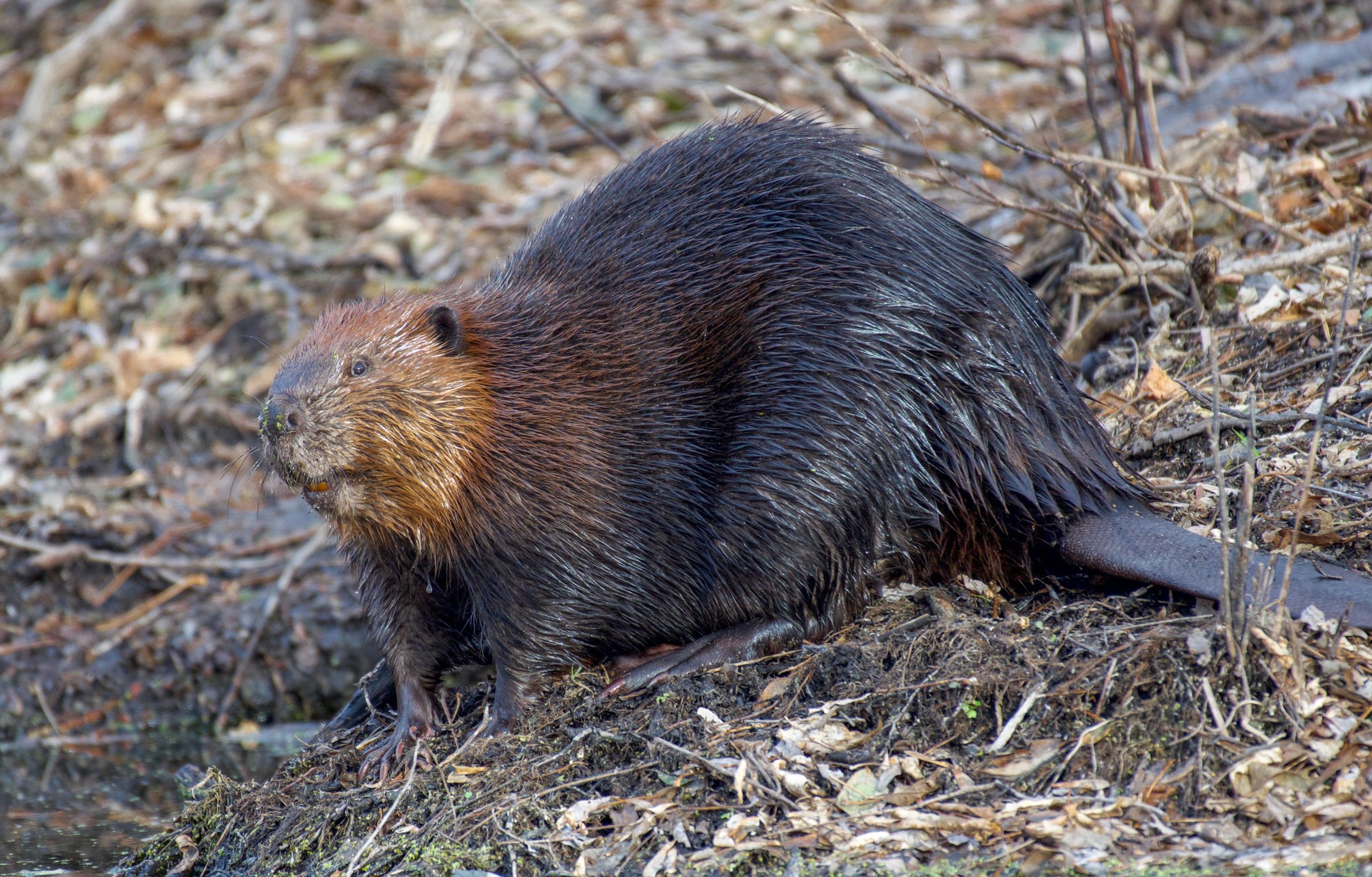
Is it possible to have seen an extinct Giant Beaver? Didn’t know if it’s classified as cryptid.
- 0
- 424 words
Could You Have Encountered an Extinct Giant Beaver? Exploring a Mysterious Sightning Throughout history, sightings of unusual or elusive creatures often spark...
Read out all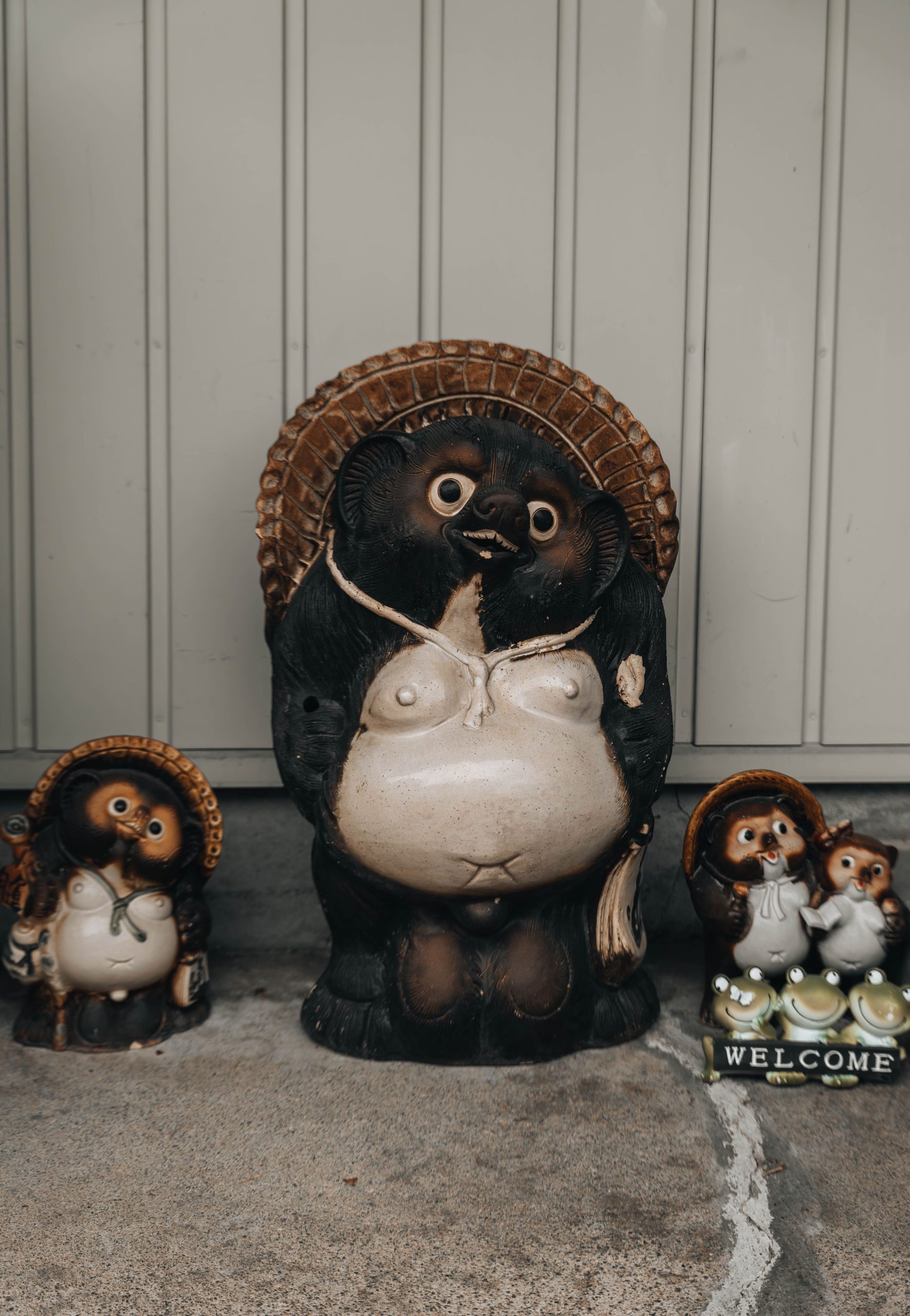
Do you think creatures like the Kappa from Japanese folklore could have been based on real encounters? 😁
- 0
- 310 words
Exploring the Origins of Legendary Creatures: Could the Kappa of Japanese Folklore Be Based on Real Encounters? Throughout history, folklore has served...
Read out all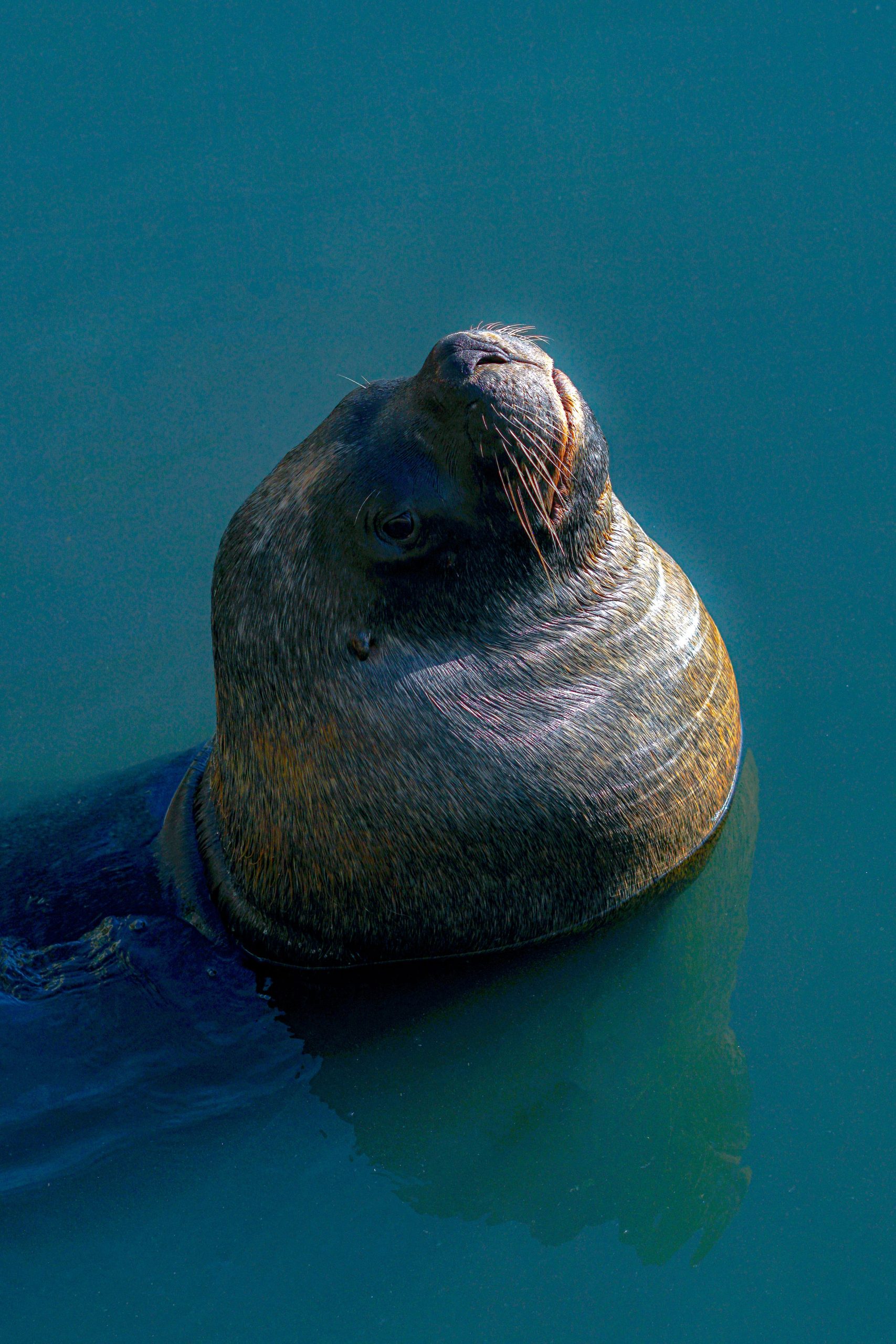
Alleged Steller’s Sea Cow photographed in Norway, 1987
- 0
- 523 words
Exploring the 1987 Photograph Allegedly Depicting a Steller’s Sea Cow in Norway In the realm of cryptozoology and maritime folklore, few images...
Read out all
Excluding animals that are now known to exist, what are your favorite “normal looking” cryptids?
- 0
- 465 words
Exploring the Fascination with “Normal-Looking” Cryptids: Fascinating Variations of Known Animals Cryptids—mysterious creatures believed to exist outside the realm of verified science—have...
Read out all