- 0
- 326 words
Exploring the Origins and Location of the Famous Congo Snake Sightings
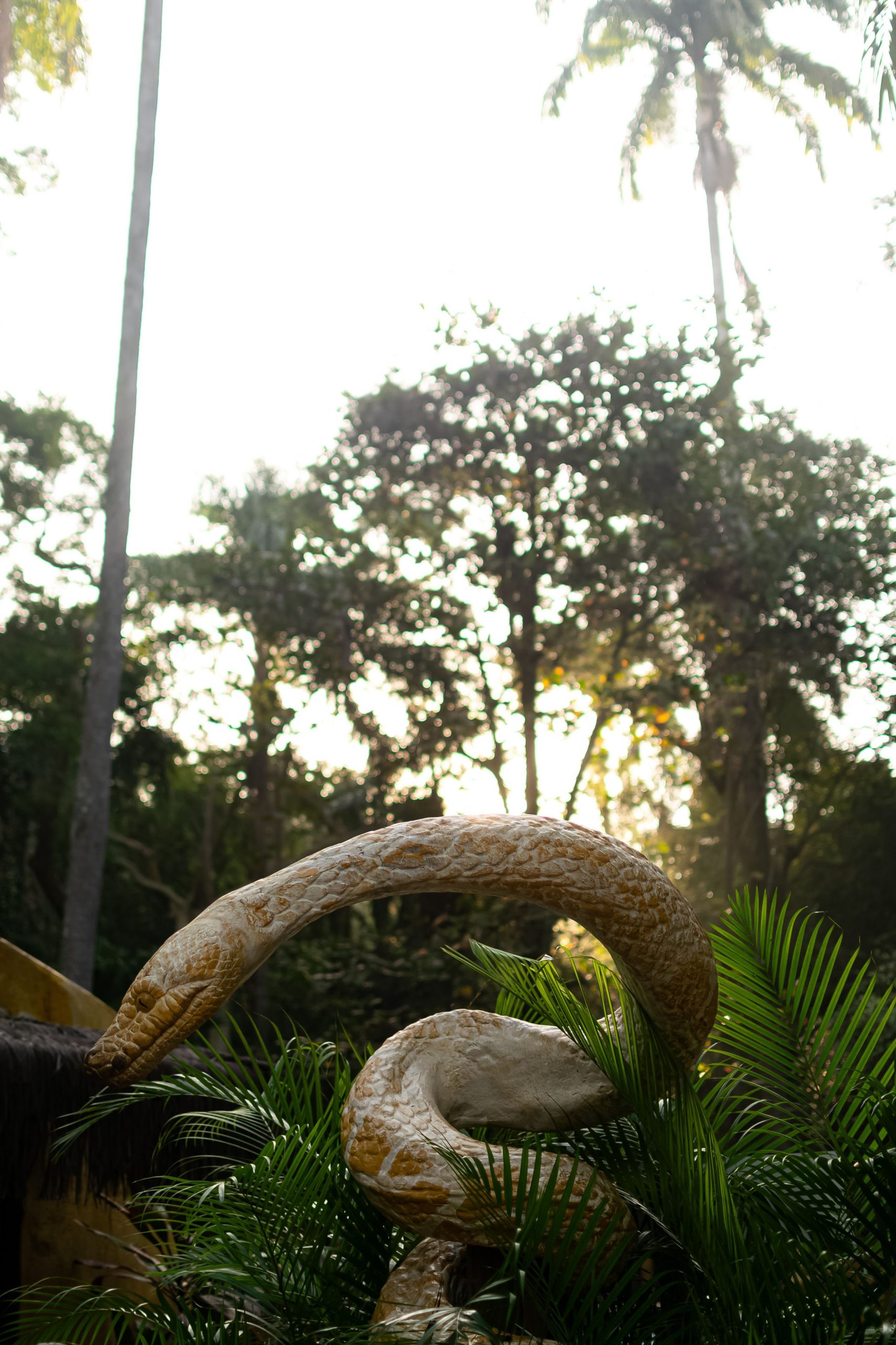
The mysterious sightings of a massive snake in the Congo have captivated enthusiasts and researchers alike for decades. One of the most notable reports dates back to 1959 when a witness named Van Lierde purportedly observed a giant serpent in the region. However, questions remain about the precise location of this encounter and whether any concrete evidence has surfaced to pinpoint its exact site.
Understanding the historical context is crucial. The Congo’s landscape has undergone significant changes over the past several decades, influenced by environmental, cultural, and human factors. Consequently, identifying the original location becomes even more challenging, especially if the initial report lacked specific geographic coordinates. To date, there appears to be no definitive record of Van Lierde providing precise coordinates or detailed descriptions that could assist modern researchers in locating the site.
Some enthusiasts have attempted to analyze accompanying images or descriptions from that period, pointing out features such as distinctive trees or termite mounds that might serve as landmarks. Nonetheless, the resolution and clarity of these images are often insufficient for definitive identification. Moreover, the Congo’s environment is dynamic, and many natural features may have changed or disappeared over the course of more than 60 years, making it difficult to match past observations with current landscapes.
In light of these challenges, the most probable approach to estimating the site’s location involves cross-referencing historical accounts, environmental data, and any available photographs or sketches. While definitive proof remains elusive, some researchers speculate that the sighting likely took place in regions known for dense rainforest and abundant wildlife, where such a creature could theoretically exist.
Ultimately, without concrete evidence or precise data, the exact location of the 1959 Congo snake sighting remains a mystery. However, ongoing ecological studies and advances in satellite imagery may someday provide further insights, enhancing our understanding of the region’s historical fauna and the legends that have persisted for decades.
Author

Related posts

Is anyone else tired of all the creepypasta characters and Skinwalkers being brought up constantly in the comments?
- 0
- 296 words
Addressing the Overrepresentation of Creepypasta and Mythical Entities in Online Discussions In the realm of online cryptozoology communities, engaging conversations often revolve...
Read out all
Is the Bodette Film completely wiped out from the internet?
- 0
- 322 words
The Mystery of the Bodette Film: Is It Truly Wiped from the Internet? The internet is a vast and constantly evolving landscape,...
Read out all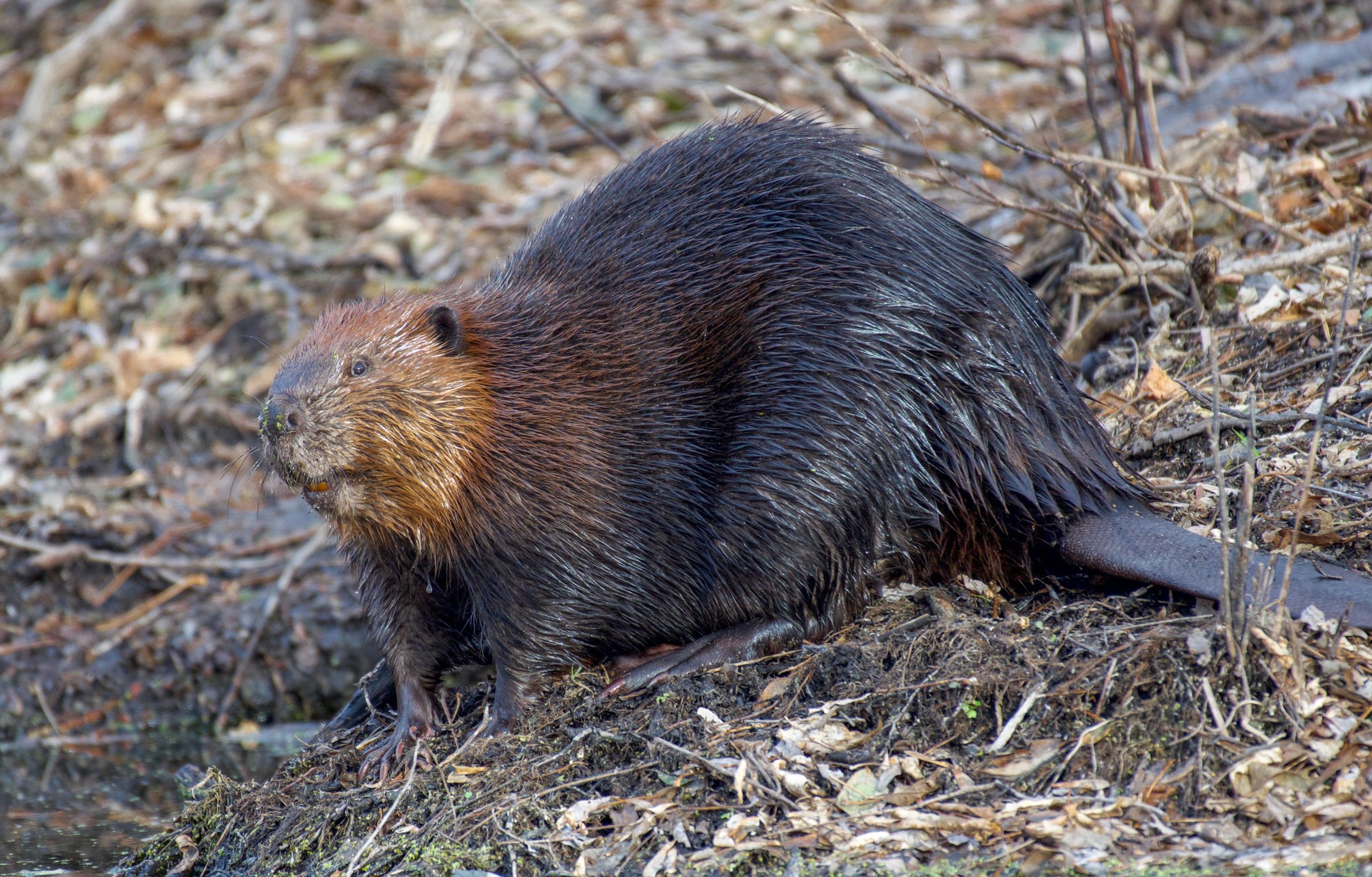
Is it possible to have seen an extinct Giant Beaver? Didn’t know if it’s classified as cryptid.
- 0
- 424 words
Could You Have Encountered an Extinct Giant Beaver? Exploring a Mysterious Sightning Throughout history, sightings of unusual or elusive creatures often spark...
Read out all
Do you think creatures like the Kappa from Japanese folklore could have been based on real encounters? 😁
- 0
- 310 words
Exploring the Origins of Legendary Creatures: Could the Kappa of Japanese Folklore Be Based on Real Encounters? Throughout history, folklore has served...
Read out all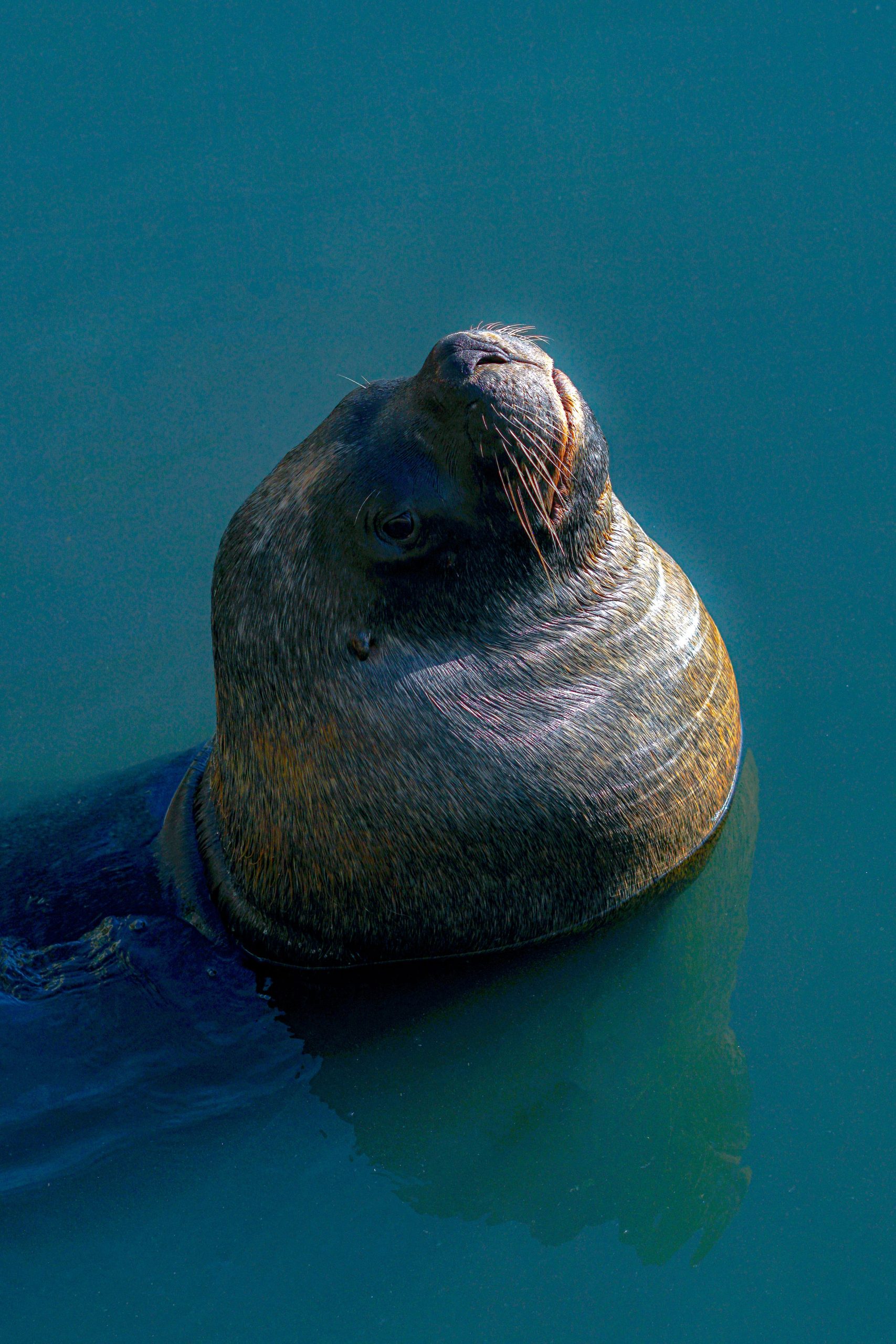
Alleged Steller’s Sea Cow photographed in Norway, 1987
- 0
- 523 words
Exploring the 1987 Photograph Allegedly Depicting a Steller’s Sea Cow in Norway In the realm of cryptozoology and maritime folklore, few images...
Read out all
Excluding animals that are now known to exist, what are your favorite “normal looking” cryptids?
- 0
- 465 words
Exploring the Fascination with “Normal-Looking” Cryptids: Fascinating Variations of Known Animals Cryptids—mysterious creatures believed to exist outside the realm of verified science—have...
Read out all