
- 0
- 280 words
Uncovering a Mysterious “Bigfoot” in an Italian Church Fresco
Nestled within the historic walls of Sacco, a charming village in Valtellina, Lombardy, lies an intriguing discovery that bridges art, myth, and local legend. An ancient fresco adorning the church’s walls features a striking figure that bears a remarkable resemblance to the legendary “bigfoot” or “wild man,” a mythic creature that has captured human imagination for centuries.
This mural, dating back to around 1500, presents a captivating scene alongside traditional religious imagery. Near the depiction of the Pietà—where the Virgin Mary cradles the lifeless body of Jesus—the fresco introduces a tall, hairy figure with a human face, wielding a staff. Its commanding presence seems to symbolize more than mere myth; it reflects a deep-rooted cultural archetype that has persisted across various regions.
The figure is believed to represent the “wild man,” a mythic archetype prevalent throughout the Alpine regions, parts of the Apennines, and broader Europe. Unlike the North American Bigfoot or the Yeti of Himalayan legend, this European “wild man” embodies the guardian of nature—an entity that punishes those who disrespect the natural world and sustains the balance between civilization and wilderness.
This fascinating fresco exemplifies how ancient art can serve as a testament to local folklore, illustrating humanity’s longstanding fascination with mysterious, nature-defending beings. Its presence in a religious setting underscores the complex blend of spirituality and myth that characterizes much of European cultural history.
As historical and artistic experts continue to study such works, each discovery offers a glimpse into the layered narratives of our shared past, reminding us of the enduring power of myth and the timeless human quest to understand the unknown.
Author

Related posts

Is anyone else tired of all the creepypasta characters and Skinwalkers being brought up constantly in the comments?
- 0
- 296 words
Addressing the Overrepresentation of Creepypasta and Mythical Entities in Online Discussions In the realm of online cryptozoology communities, engaging conversations often revolve...
Read out all
Is the Bodette Film completely wiped out from the internet?
- 0
- 322 words
The Mystery of the Bodette Film: Is It Truly Wiped from the Internet? The internet is a vast and constantly evolving landscape,...
Read out all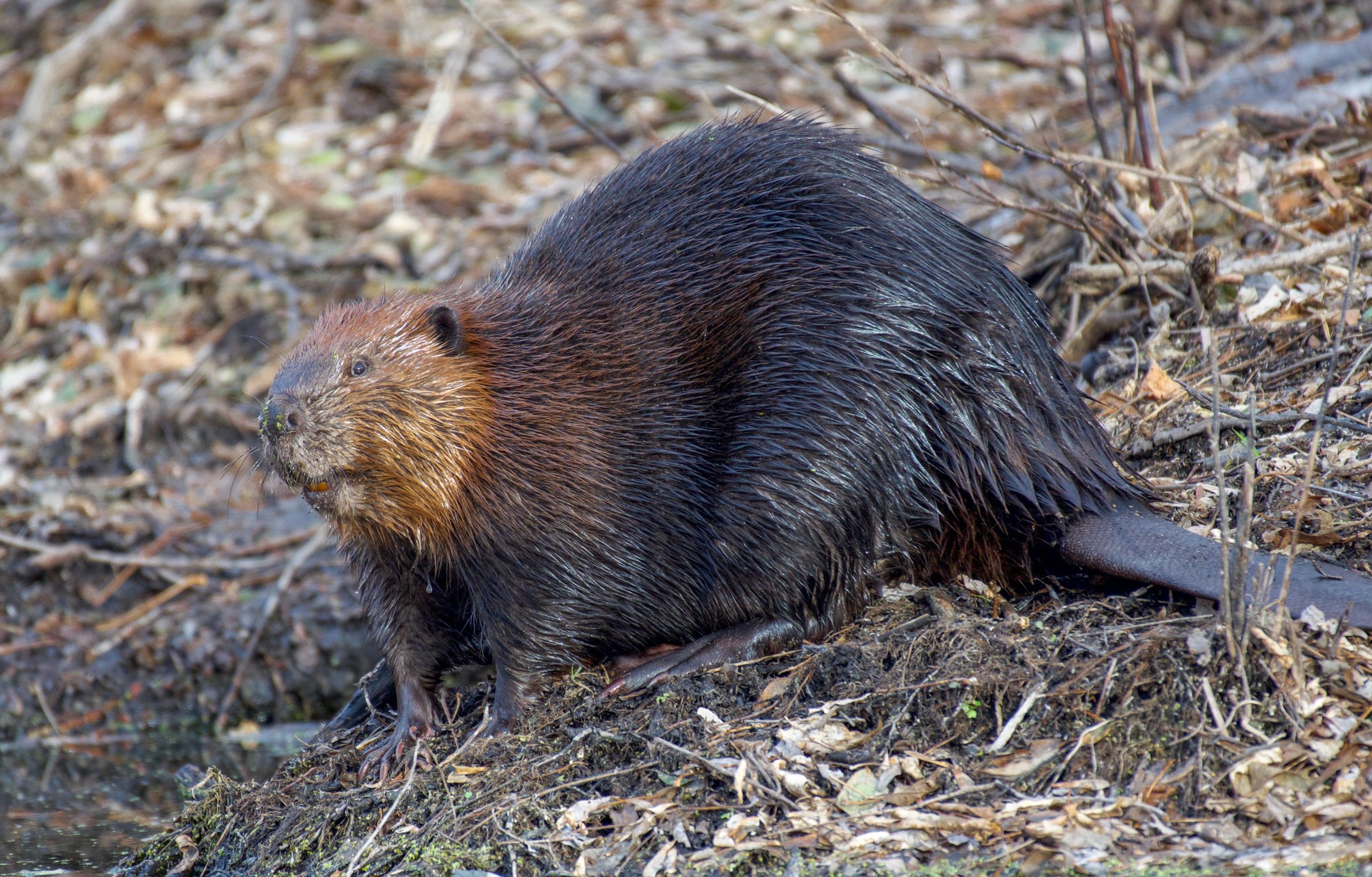
Is it possible to have seen an extinct Giant Beaver? Didn’t know if it’s classified as cryptid.
- 0
- 424 words
Could You Have Encountered an Extinct Giant Beaver? Exploring a Mysterious Sightning Throughout history, sightings of unusual or elusive creatures often spark...
Read out all
Do you think creatures like the Kappa from Japanese folklore could have been based on real encounters? 😁
- 0
- 310 words
Exploring the Origins of Legendary Creatures: Could the Kappa of Japanese Folklore Be Based on Real Encounters? Throughout history, folklore has served...
Read out all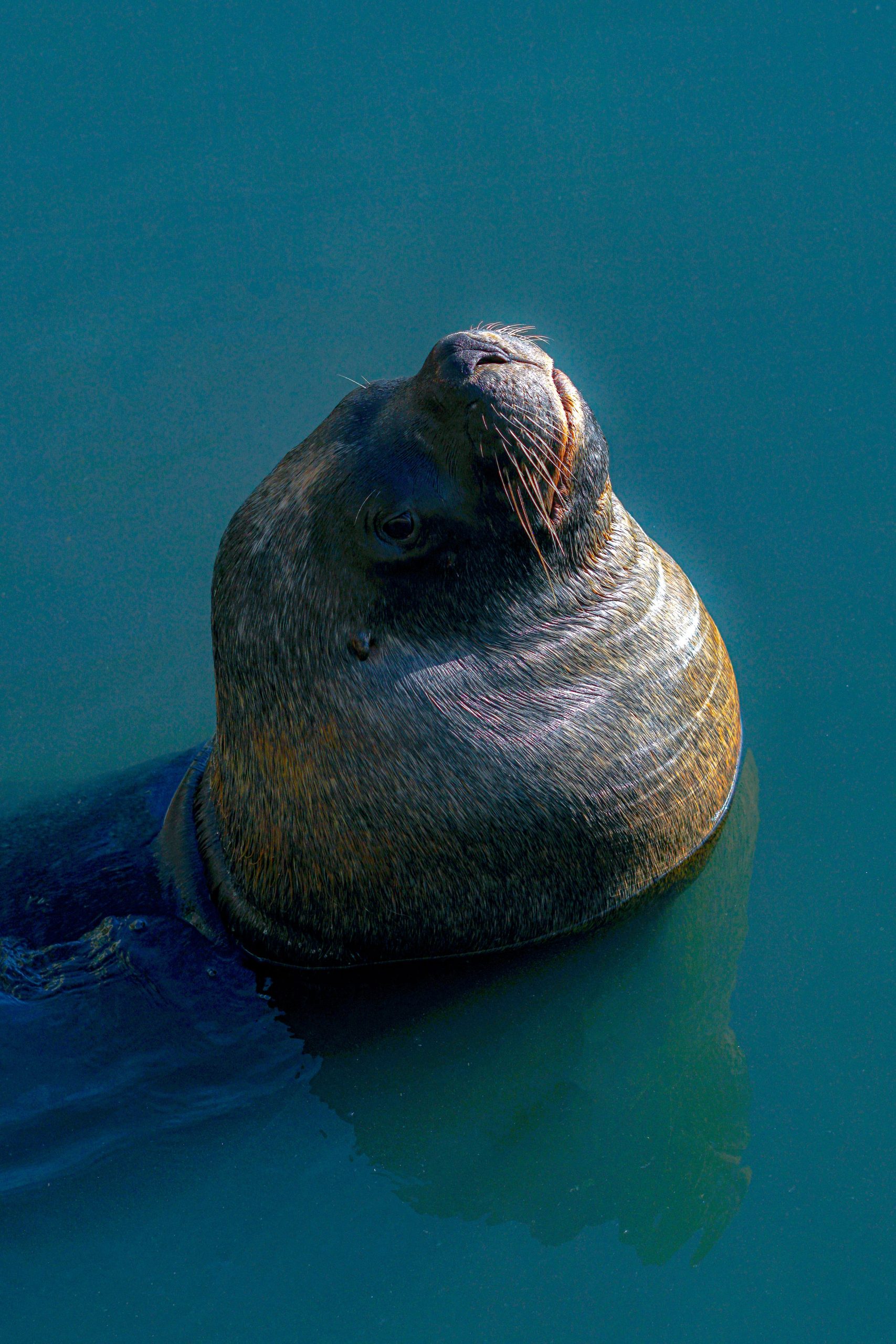
Alleged Steller’s Sea Cow photographed in Norway, 1987
- 0
- 523 words
Exploring the 1987 Photograph Allegedly Depicting a Steller’s Sea Cow in Norway In the realm of cryptozoology and maritime folklore, few images...
Read out all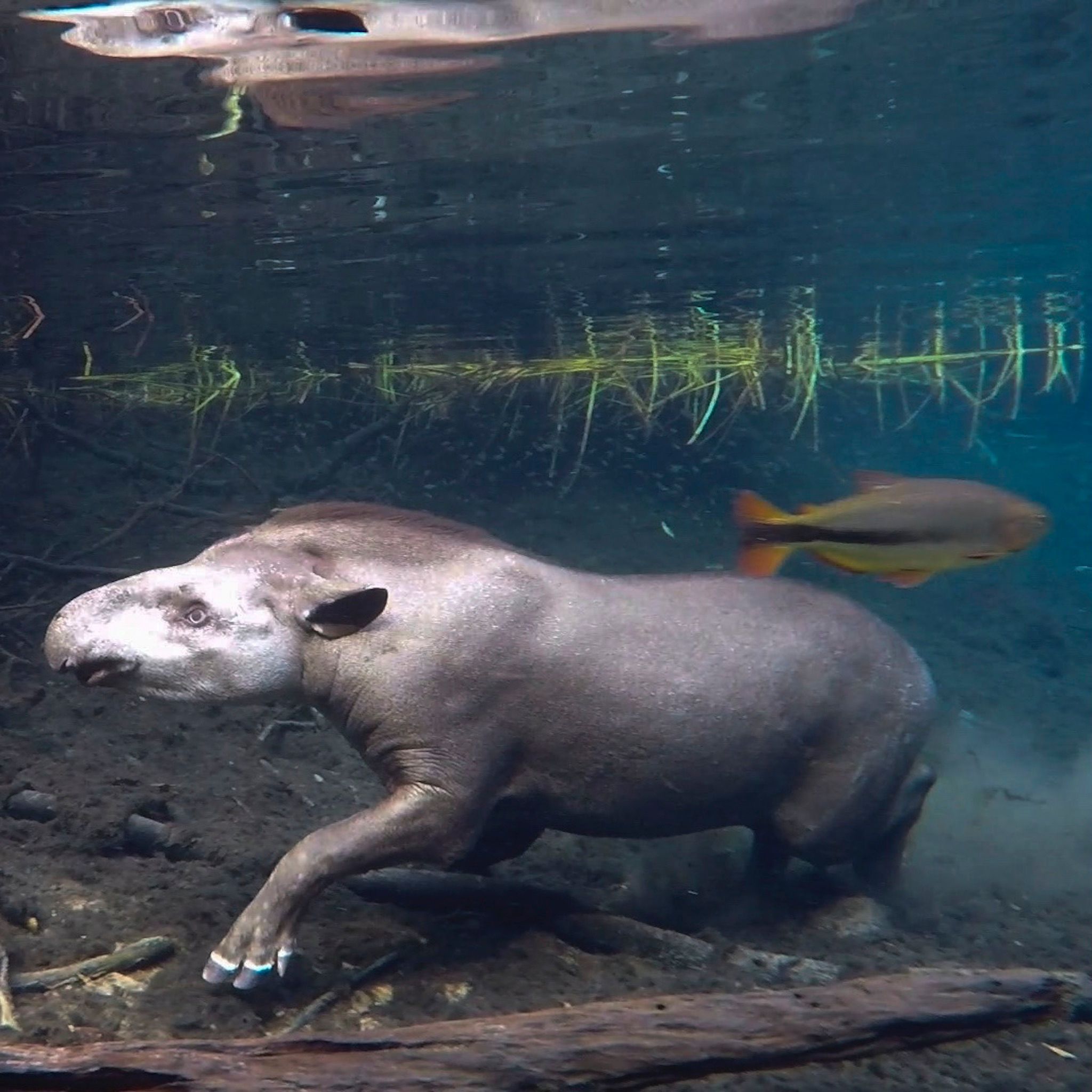
Excluding animals that are now known to exist, what are your favorite “normal looking” cryptids?
- 0
- 465 words
Exploring the Fascination with “Normal-Looking” Cryptids: Fascinating Variations of Known Animals Cryptids—mysterious creatures believed to exist outside the realm of verified science—have...
Read out all