- 0
- 540 words
Exploring the Fascinating History of Enormous Spiders in Churches and Cathedrals
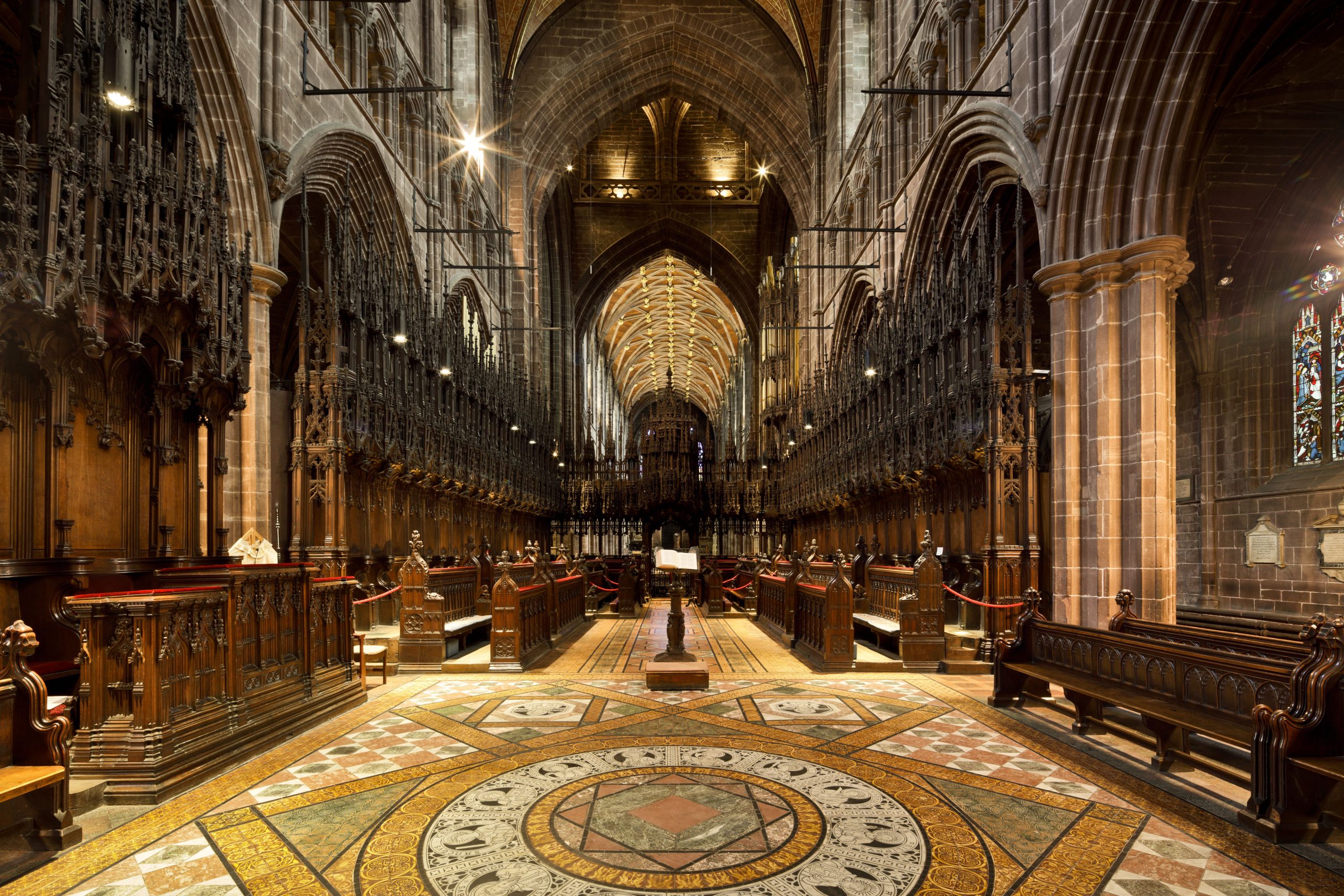
Throughout history, stories of extraordinary creatures dwelling within sacred spaces have captured human imagination. Among these tales are accounts of colossal spiders lurking in churches and cathedrals, inspiring both curiosity and intrigue. While some of these stories are rooted in myth or exaggeration, they often stem from real observations that have been passed down through generations.
A notable reference appears in Bram Stoker’s classic novel Dracula, where Professor Van Helsing recounts a mysterious story about an unusually large spider:
“There are always mysteries in life. Why was it that Methuselah lived nine hundred years, and ‘Old Parr’ one hundred and sixty-nine, and yet that poor Lucy, with four men’s blood in her veins, could not live even one day?… Do you know all the mystery of life and death?… Can you tell me why, when other spiders die small and soon, that one great spider lived for centuries in the tower of the old Spanish church and grew and grew, till, on descending, he could drink the oil of all the church lamps?”
While this depiction of an ancient, oil-consuming spider serves the mood of Gothic horror, it draws inspiration from historical accounts that are surprisingly consistent with the genre’s mystical tone.
In fact, documented accounts from the early 19th century provide real-life precedents. Volume 88 of the Edinburgh Magazine and Literary Miscellany (published in 1821) describes experiences in European churches involving enormous spiders:
“The sexton of the Church of St. Eustace in Paris often noticed a lamp extinguished unexpectedly early, despite having only consumed its oil. After several nights, he observed a surprisingly large spider descending the cord to drink the oil. Similarly, in 1751, in Milan’s cathedral, a sizable spider was seen feeding on lamp oil. M. Morland of the Academy of Sciences documented this creature, even creating a drawing. The spider reportedly weighed four pounds and was sent to the Emperor of Austria, where it now resides in the Imperial Museum in Vienna.”
The question arises: how plausible is such a creature? Given that the oil used in lamps at the time was derived from whale blubber, a nutrient source for spiders could have been available. However, the biological feasibility of a spider weighing four pounds—comparable to a small rabbit—raises intriguing questions. The respiratory systems of arachnids impose limitations on body size; thus, a spider of that size would be extraordinary and unlikely to sustain itself biologically.
The fate of such creatures remains a matter of speculation. Some historical accounts hint that the body of the giant spider was eventually lost—possibly destroyed by fire or other circumstances—adding an air of mystery to the narrative.
For those interested in similar stories, additional accounts include tales of a Polish church spider, offering a wider glimpse into this peculiar folklore (more details here).
As a lighter note, here’s an image of Kumo, the spider mascot at Ottawa’s Notre Dame Cathedral, reflecting how these awe-inspiring creatures continue to fascinate and inspire modern culture:
The stories of giant church spiders serve as a fascinating blend of myth, history, and natural curiosity, reminding us of the enduring allure of the unknown lurking within sacred spaces.
Author

Related posts

Is anyone else tired of all the creepypasta characters and Skinwalkers being brought up constantly in the comments?
- 0
- 296 words
Addressing the Overrepresentation of Creepypasta and Mythical Entities in Online Discussions In the realm of online cryptozoology communities, engaging conversations often revolve...
Read out all
Is the Bodette Film completely wiped out from the internet?
- 0
- 322 words
The Mystery of the Bodette Film: Is It Truly Wiped from the Internet? The internet is a vast and constantly evolving landscape,...
Read out all
Is it possible to have seen an extinct Giant Beaver? Didn’t know if it’s classified as cryptid.
- 0
- 424 words
Could You Have Encountered an Extinct Giant Beaver? Exploring a Mysterious Sightning Throughout history, sightings of unusual or elusive creatures often spark...
Read out all
Do you think creatures like the Kappa from Japanese folklore could have been based on real encounters? 😁
- 0
- 310 words
Exploring the Origins of Legendary Creatures: Could the Kappa of Japanese Folklore Be Based on Real Encounters? Throughout history, folklore has served...
Read out all
Alleged Steller’s Sea Cow photographed in Norway, 1987
- 0
- 523 words
Exploring the 1987 Photograph Allegedly Depicting a Steller’s Sea Cow in Norway In the realm of cryptozoology and maritime folklore, few images...
Read out all
Excluding animals that are now known to exist, what are your favorite “normal looking” cryptids?
- 0
- 465 words
Exploring the Fascination with “Normal-Looking” Cryptids: Fascinating Variations of Known Animals Cryptids—mysterious creatures believed to exist outside the realm of verified science—have...
Read out all