- 0
- 580 words
Understanding the Significance of the Coelacanth Discovery and Its Implications for Extinct Species
The rediscovery of the coelacanth stands as one of the most remarkable events in modern paleontology and ichthyology, shedding light on life’s resilience and the mysteries of deep-sea habitats. However, it is important to clarify misconceptions about what the coelacanth’s survival implies for other extinct animals. Some individuals suggest that if this ancient fish was still alive until recently, then other long-extinct species might also still exist undetected. This perspective, while intriguing, overlooks several critical scientific distinctions.
Unique Habitat and Detection Challenges
The coelacanth’s survival is largely attributed to its specialized environment. Living in deep-sea caves, the coelacanth inhabits habitats that are difficult for humans to explore thoroughly, which contributed to its unnoticed existence for millions of years. This habitat niche, characterized by extreme depth and the complex geology of underwater caves, made detecting the species exceedingly challenging.
Contrasting this with species like megalodons or plesiosaurs, which occupied more accessible marine environments or terrestrial habitats, explains why these animals are unlikely to remain hidden today. Their ecological niches, spatial distributions, and behaviors differ significantly from the deep-sea cave-dwelling coelacanth, making it improbable for similar species to still evade discovery.
Fossil Record and Recent Evidence
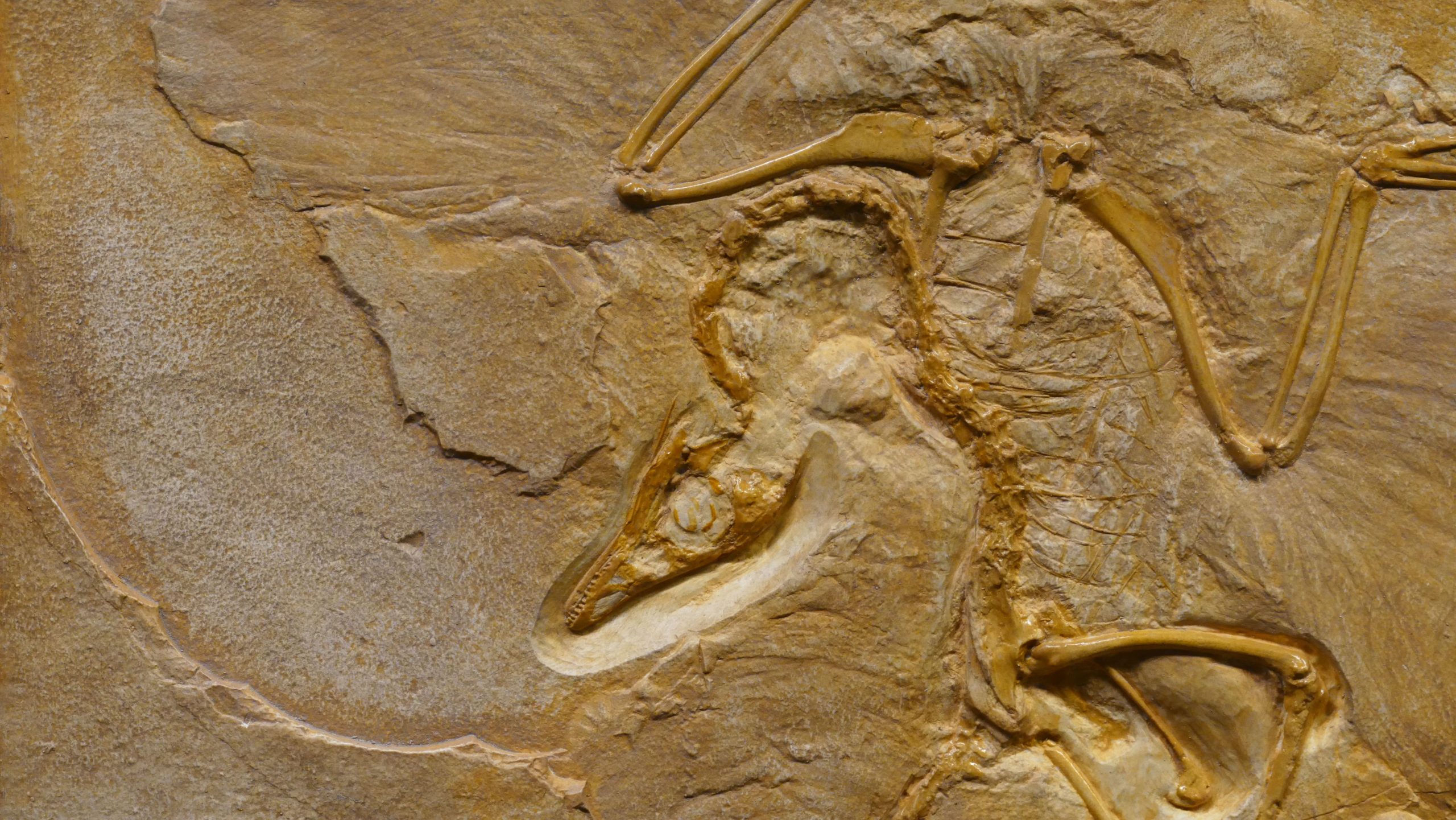
A common misconception is that the coelacanth disappeared from the fossil record after the prehistoric era, only to be “found” again in the 20th century. In reality, paleontological research has uncovered coelacanth fossils dating from the Paleocene, Eocene, Miocene, and even the Pliocene epochs—all long after the extinction of the dinosaurs at approximately 66 million years ago. These fossils demonstrate that the coelacanth persisted through multiple geological periods, rather than suddenly reappearing out of nowhere.
The misconception about a lack of post-dinosaur fossils for the coelacanth likely stems from earlier limitations in fossil collection and identification techniques. With advances in paleontology, we now recognize that long-lived species can exhibit continuous, albeit sparse, fossil evidence well into recent epochs. Consequently, the presence of more recent fossils would be expected if similar species had survived untouched in isolated environments.
Implications for Other Extinct Species
If other long-extinct animals—such as plesiosaurs or terrestrial megafauna—had survived in similar secluded habitats, we might expect to find fossil evidence of their continued existence. To date, no such fossils have been discovered from periods following the asteroid impact at the K–T boundary, which marks the end of the dinosaurs and a significant mass extinction event. The absence of such evidence suggests that these animals, unlike the coelacanth, did not persist in hidden refuges into recent times.
Additionally, the idea that animals might not fossilize for tens of millions of years is also a misconception. Most species that survive long enough will leave behind fossil remains if the preservation environment is favorable. While some species do have poor fossilization potential and might be underrepresented, it remains highly unlikely that numerous large or distinct species have persisted undetected for tens of millions of years without a single fossil discovery.
Conclusion
The rediscovery of the coelacanth provides invaluable insight into deep-sea life and evolutionary history. However, it does not serve as evidence that other extinct animals are still lurking in the depths or hidden in remote corners of the world. Each species’ survival depends on a complex interplay of ecological, geological, and behavioral factors. Extended, comprehensive scientific investigation continues to provide clarity on these issues, reinforcing the importance of critical examination over assumptions based on limited evidence.
Author

Related posts

Is anyone else tired of all the creepypasta characters and Skinwalkers being brought up constantly in the comments?
- 0
- 296 words
Addressing the Overrepresentation of Creepypasta and Mythical Entities in Online Discussions In the realm of online cryptozoology communities, engaging conversations often revolve...
Read out all
Is the Bodette Film completely wiped out from the internet?
- 0
- 322 words
The Mystery of the Bodette Film: Is It Truly Wiped from the Internet? The internet is a vast and constantly evolving landscape,...
Read out all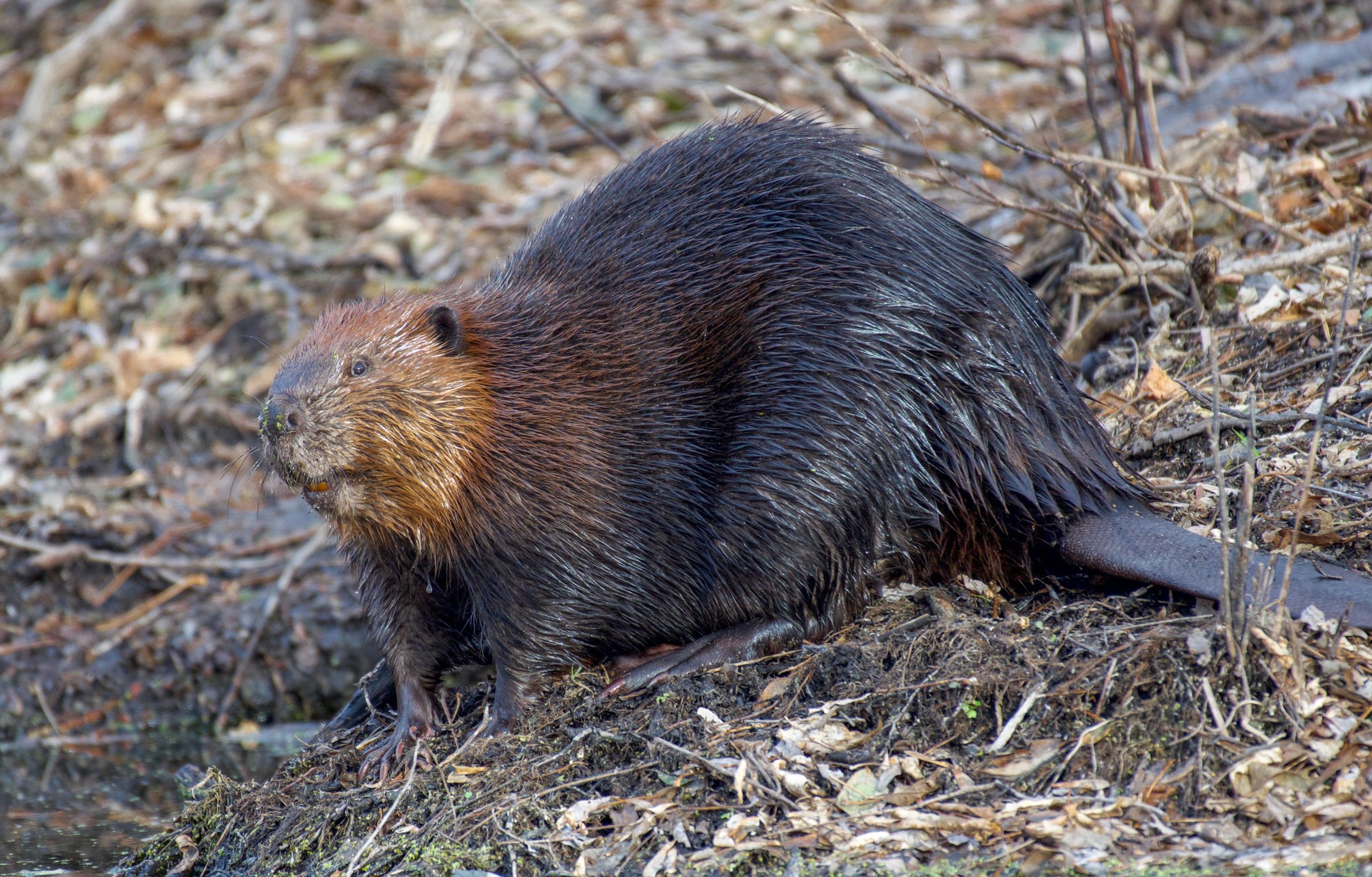
Is it possible to have seen an extinct Giant Beaver? Didn’t know if it’s classified as cryptid.
- 0
- 424 words
Could You Have Encountered an Extinct Giant Beaver? Exploring a Mysterious Sightning Throughout history, sightings of unusual or elusive creatures often spark...
Read out all
Do you think creatures like the Kappa from Japanese folklore could have been based on real encounters? 😁
- 0
- 310 words
Exploring the Origins of Legendary Creatures: Could the Kappa of Japanese Folklore Be Based on Real Encounters? Throughout history, folklore has served...
Read out all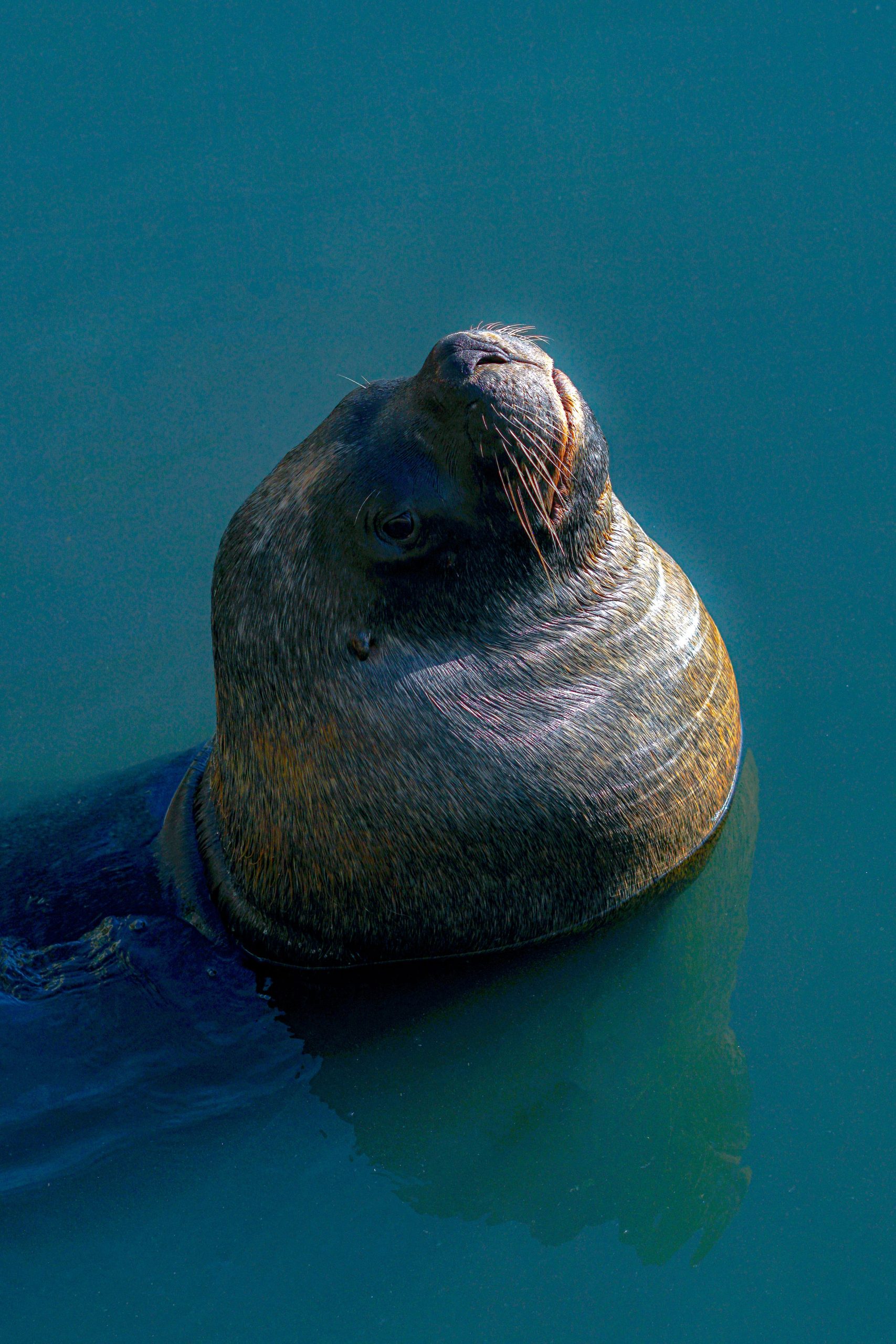
Alleged Steller’s Sea Cow photographed in Norway, 1987
- 0
- 523 words
Exploring the 1987 Photograph Allegedly Depicting a Steller’s Sea Cow in Norway In the realm of cryptozoology and maritime folklore, few images...
Read out all
Excluding animals that are now known to exist, what are your favorite “normal looking” cryptids?
- 0
- 465 words
Exploring the Fascination with “Normal-Looking” Cryptids: Fascinating Variations of Known Animals Cryptids—mysterious creatures believed to exist outside the realm of verified science—have...
Read out all