- 0
- 419 words
The Hidden Potential of Animal Sizes: Insights from Cryptozoology and Human Impact
Recent footage captured off an oil rig in the Gulf of Mexico has sparked intriguing discussions within the biological and cryptozoological communities. The video depicts a bluefin tuna estimated to be approximately 18 feet in length, significantly larger than the previously recorded maximum of around 13 feet for this species. While the difference of a few feet may appear modest, it can be likened to a human growing from 6 feet to 10 feet—an extraordinary increase that prompts questions about animal size limits.
Although bluefin tuna of such exceptional size are exceedingly rare, their existence underscores the importance of understanding the factors that influence animal growth. Human activities, especially overfishing and habitat disruption, have profoundly impacted marine populations. The decline of tuna populations has curtailed their natural growth potential, leading to a narrower understanding of their maximum size. Historically, scientists believed bluefin tuna could not exceed approximately 14 feet based solely on observed specimens, but this assumption was limited by human interference and population declines.
The possibility of encountering a truly colossal tuna raises important questions about the potential size range of other species that have been partially observed or documented. If even a single diver or observer witnesses an animal surpassing expected size limits, it challenges existing scientific knowledge and often results in skepticism or dismissal. Such stories may be dismissed as exaggerations or myths, especially when based on isolated sightings.
This leads to broader considerations: How many other species—marine or terrestrial—might possess the capacity to grow far larger than currently documented? To what extent have human impacts obscured our understanding of their true potential? Many extraordinary sightings have been reported but remain unverified or are dismissed due to limited evidence, which raises the possibility that some may be the basis for new scientific discoveries.
In the fields of cryptozoology and biological research, the crossing point between documented science and anecdotal reports is crucial. Recognizing the limits imposed by human activity is essential for accurately understanding the biological potential of various species. Greater exploration, diligent reporting, and open-minded investigation could reveal astonishing aspects of animal growth and species that challenge current perceptions.
Ultimately, the story of the enormous bluefin tuna serves as a compelling reminder: nature may still hold many surprises, and our understanding of the animal kingdom’s size and scope might be more limited than we think. Continual exploration and a willingness to question established norms are vital in uncovering the true extent of animal gigantism.
Author

Related posts

Is anyone else tired of all the creepypasta characters and Skinwalkers being brought up constantly in the comments?
- 0
- 296 words
Addressing the Overrepresentation of Creepypasta and Mythical Entities in Online Discussions In the realm of online cryptozoology communities, engaging conversations often revolve...
Read out all
Is the Bodette Film completely wiped out from the internet?
- 0
- 322 words
The Mystery of the Bodette Film: Is It Truly Wiped from the Internet? The internet is a vast and constantly evolving landscape,...
Read out all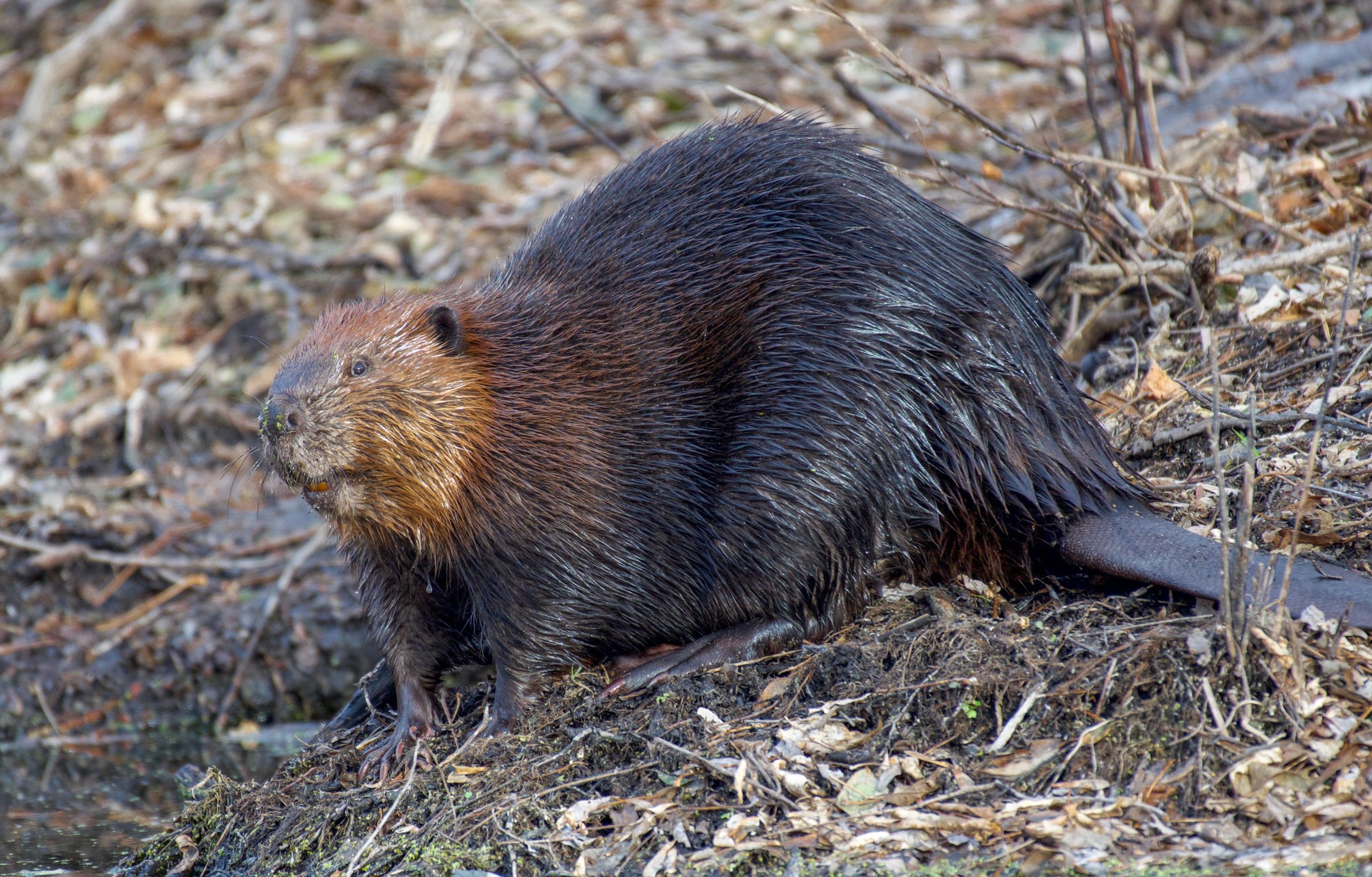
Is it possible to have seen an extinct Giant Beaver? Didn’t know if it’s classified as cryptid.
- 0
- 424 words
Could You Have Encountered an Extinct Giant Beaver? Exploring a Mysterious Sightning Throughout history, sightings of unusual or elusive creatures often spark...
Read out all
Do you think creatures like the Kappa from Japanese folklore could have been based on real encounters? 😁
- 0
- 310 words
Exploring the Origins of Legendary Creatures: Could the Kappa of Japanese Folklore Be Based on Real Encounters? Throughout history, folklore has served...
Read out all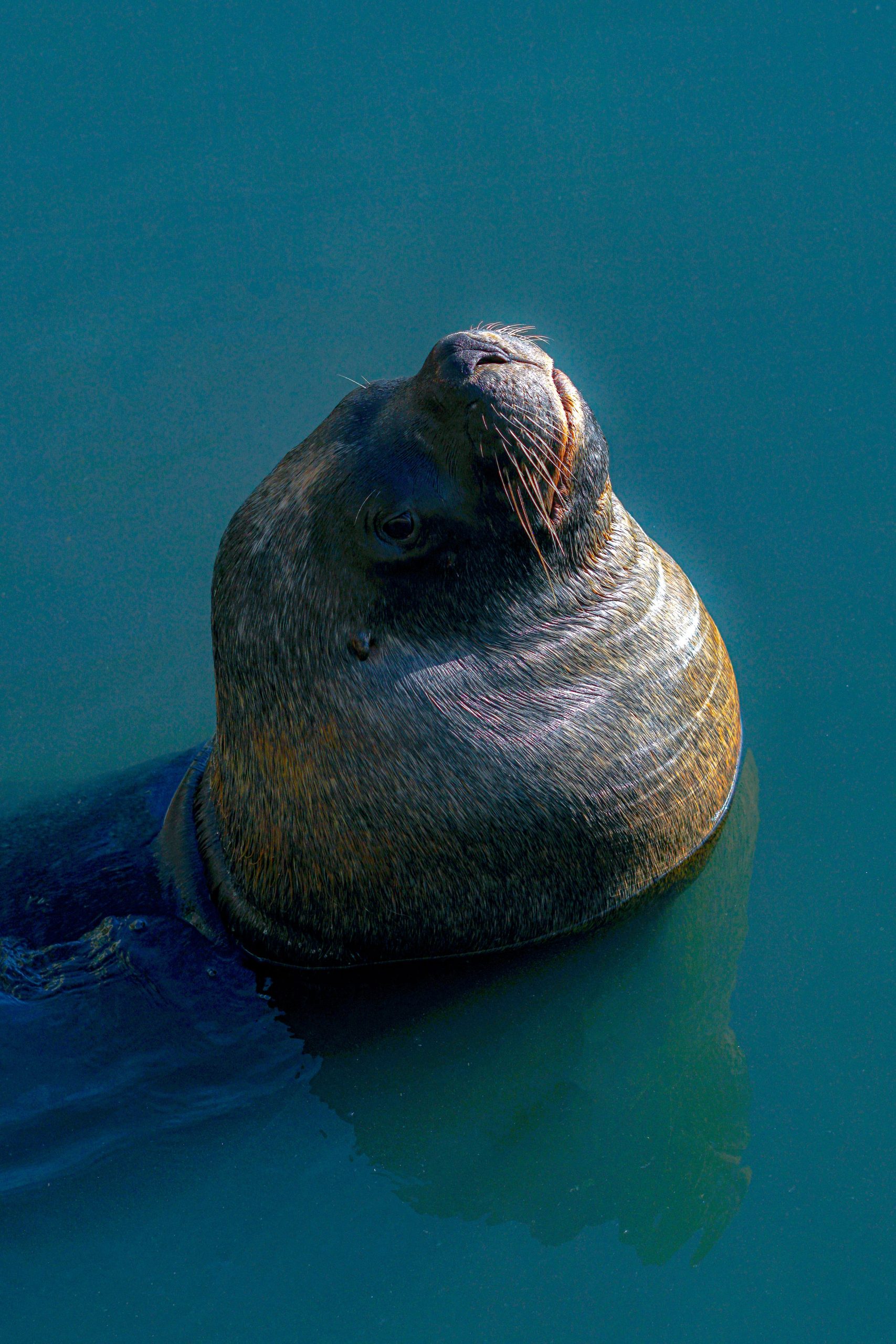
Alleged Steller’s Sea Cow photographed in Norway, 1987
- 0
- 523 words
Exploring the 1987 Photograph Allegedly Depicting a Steller’s Sea Cow in Norway In the realm of cryptozoology and maritime folklore, few images...
Read out all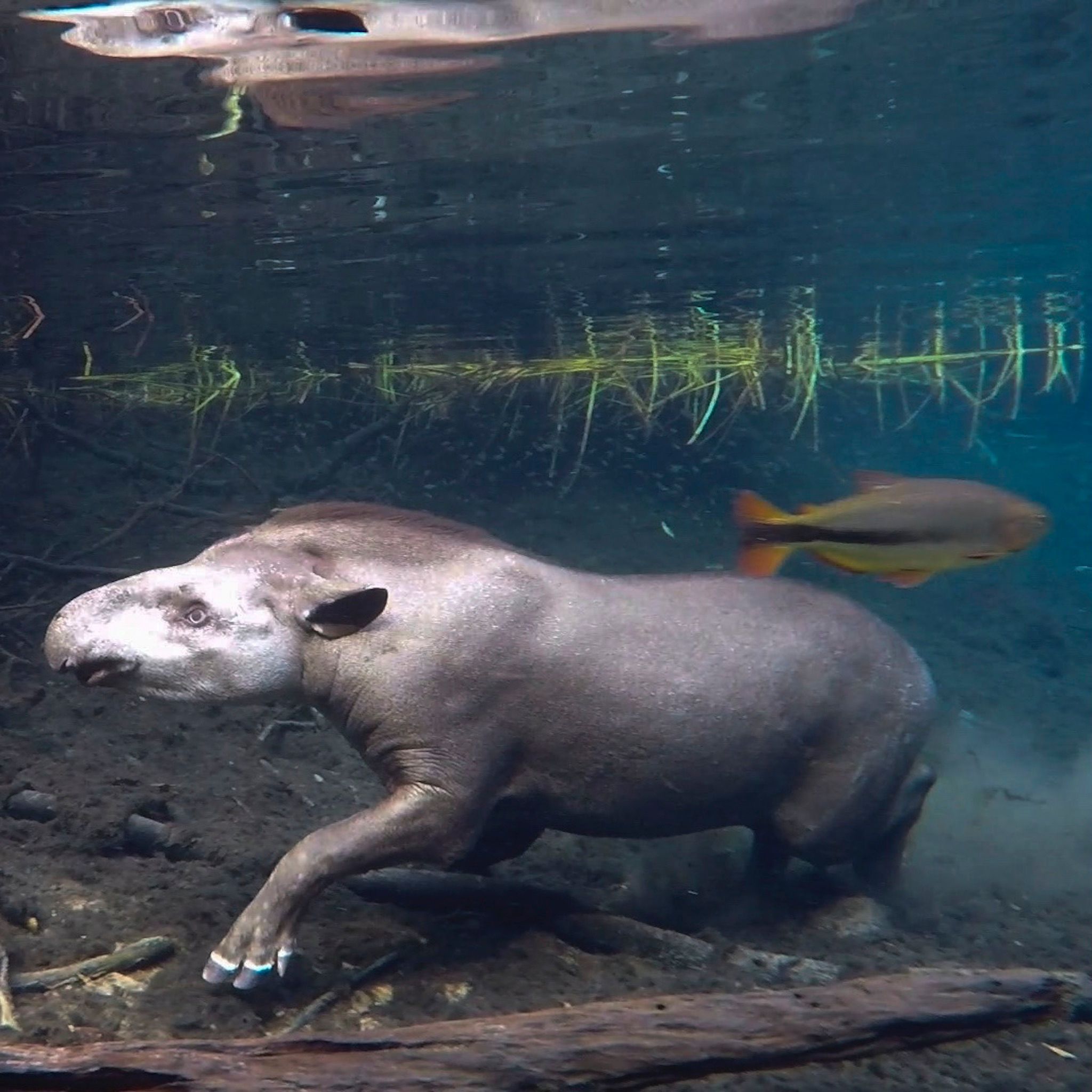
Excluding animals that are now known to exist, what are your favorite “normal looking” cryptids?
- 0
- 465 words
Exploring the Fascination with “Normal-Looking” Cryptids: Fascinating Variations of Known Animals Cryptids—mysterious creatures believed to exist outside the realm of verified science—have...
Read out all